Hydroponics is often associated with high-tech setups and constant monitoring. But did you know there’s a way to grow plants hydroponically without pumps, electricity, or complex systems? It’s called the Kratky Method, and it’s one of the simplest and most affordable hydroponic techniques out there.
Whether you’re a beginner gardener, a classroom teacher, or someone curious about growing food in small spaces, the Kratky method offers an easy entry point into the world of hydroponics.
What is the Kratky Method?
Developed by Dr. Bernard Kratky of the University of Hawaii, the Kratky method is a passive hydroponic system that doesn’t require pumps or aeration. It’s often described as a “set-it-and-forget-it” approach to growing plants.
Here’s how it works:
- A plant is suspended in a container with a nutrient-rich water solution.
- As the plant consumes water and nutrients, the water level in the container drops.
- This drop creates an air gap between the roots and the water, giving the roots access to oxygen.
- As long as the container is appropriately sized and nutrient levels are well-balanced, the plant can grow to maturity without needing any further inputs.
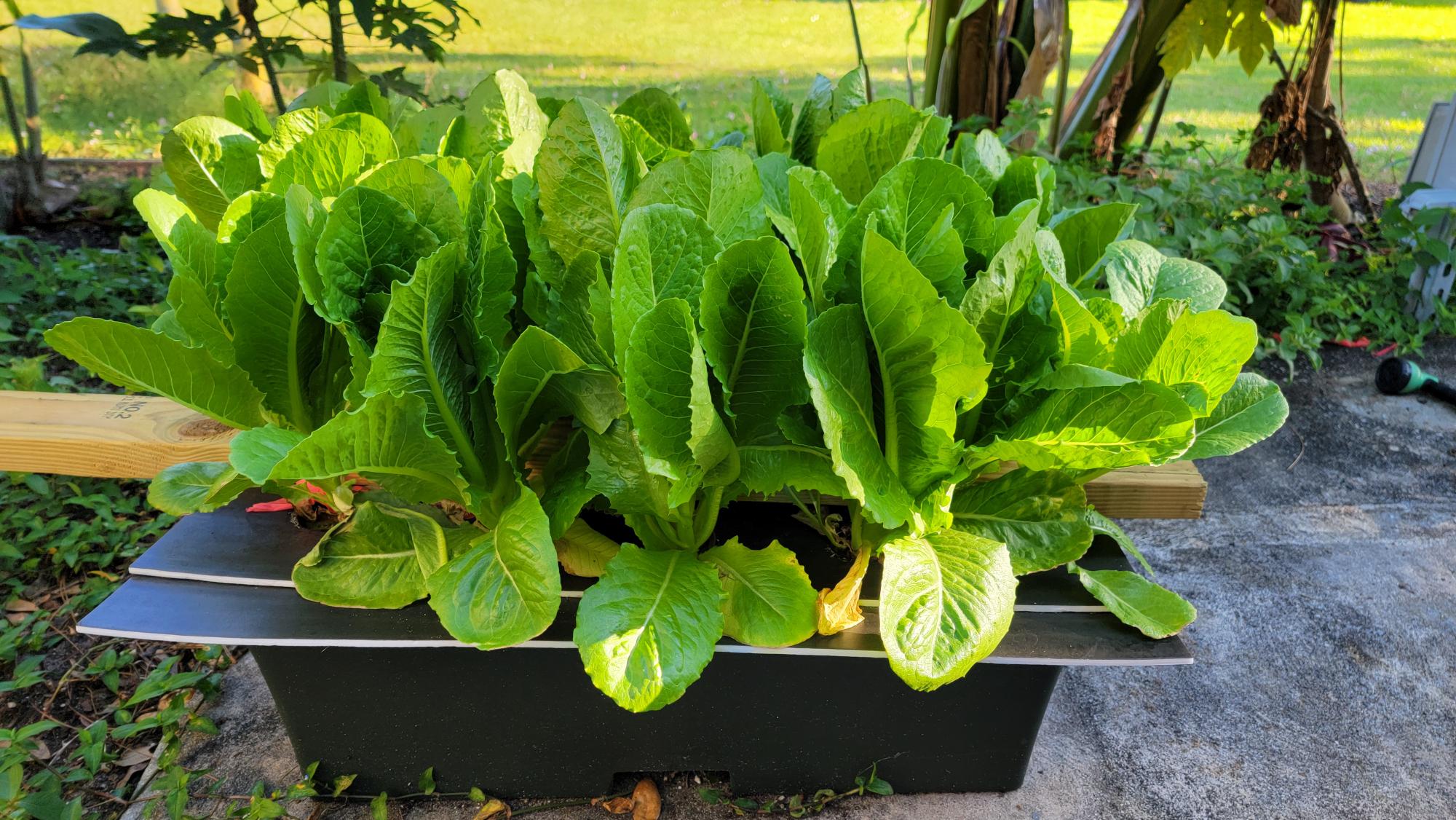
How to Set Up a Kratky System
You don’t need much to get started. Here’s a basic materials list:
- A lightproof container (like a bucket, tote, or jar)
- Net pots
- A growing medium (such as rockwool, clay pellets, or coco coir)
- Hydroponic nutrient solution
- Water
- Plants or seeds
Step-by-Step:
- Prepare the container – Make sure it’s lightproof to prevent algae growth. Drill or cut holes in the lid for the net pots.
- Mix your nutrient solution – Follow the manufacturer’s directions based on your crop and water volume.
- Insert plants – Place seedlings in net pots with the growing medium. The bottom of the net pot should be in contact with the nutrient solution.
- Let it grow – Place the container in a sunny spot or under grow lights. That’s it! You’re up and running.
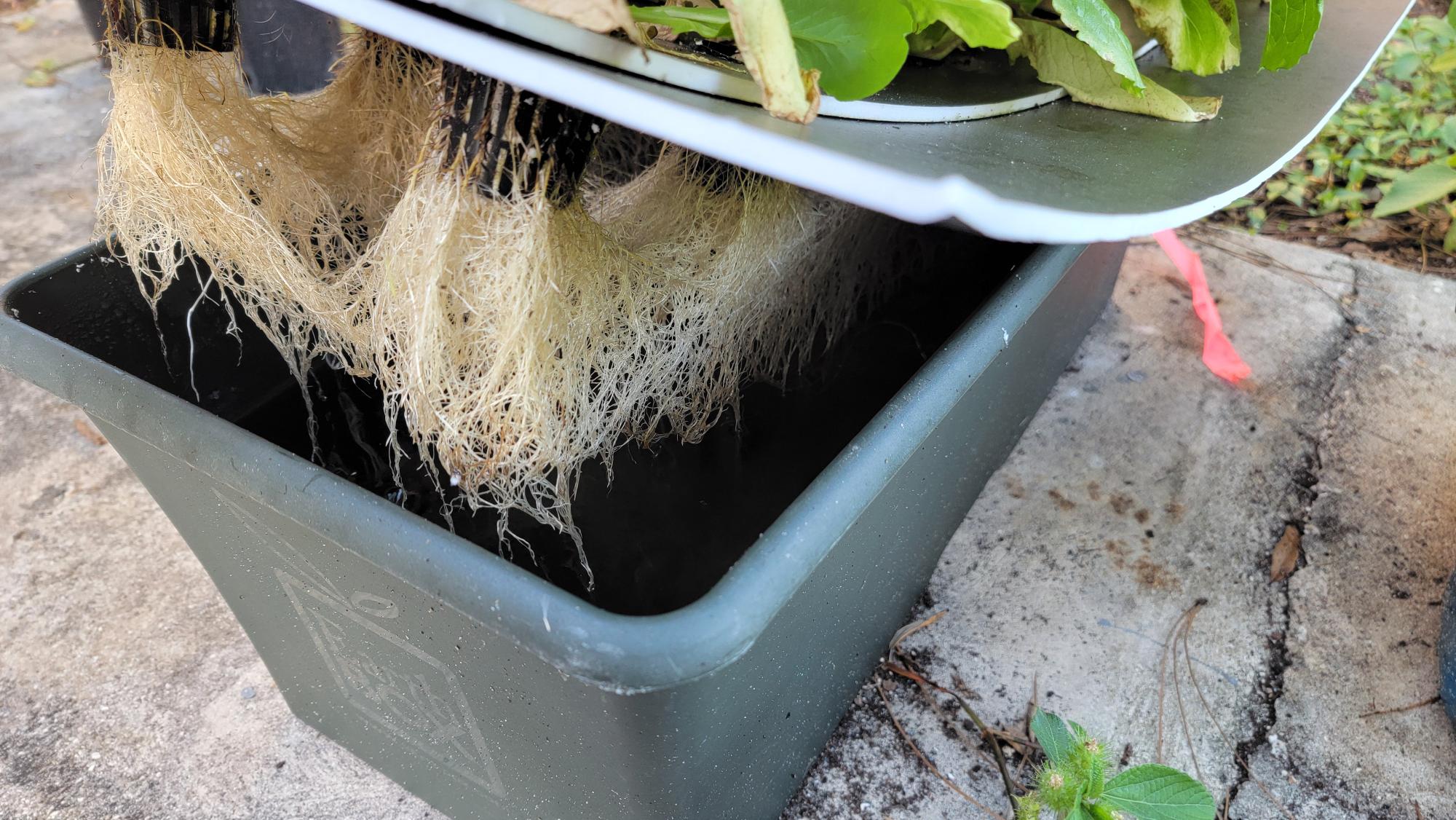
What Can You Grow?
The Kratky method works best with leafy greens and herbs, like:
- Lettuce
- Spinach
- Kale
- Basil
- Mint
You can also experiment with crops like tomatoes, peppers, or cucumbers, but those may need larger containers and careful nutrient management.
Pros and Cons of the Kratky Method
✅ Pros:
- No electricity needed – Perfect for off-grid or low-tech setups.
- Low maintenance – No moving parts, pumps, or timers.
- Affordable – Uses inexpensive and reusable materials.
- Great for beginners – Easy to understand and implement.
❌ Cons:
- Limited to shorter-growing or smaller plants unless scaled up.
- Water can become stagnant if not monitored carefully.
- No way to adjust nutrients mid-grow (without disrupting the setup).
Tips for Success
- Use a dark-colored container or cover clear ones with foil or paint to block light.
- Start with clean water and keep the system in a moderate temperature range.
- Choose plants that have short growth cycles for best results.
- Watch for pests or root rot if conditions are too humid or stagnant.
Final Thoughts
The Kratky method is an elegant solution for those looking to dip their toes into hydroponics without investing in complex equipment. It’s also a fun and educational way to explore plant growth and food production.
Whether you want fresh lettuce on your windowsill or you’re teaching a class about plant science, Kratky hydroponics offers a hands-on, satisfying experience. Give it a try you might be surprised at how easy and effective it is!
Source: The Kratky Method
A Suspended Pot, Non-Circulating Hydroponic Method
 3
3