Featured Pollinator: The ruby-throated hummingbird
A Blooming Partnership

For successful pollination and survival, plants have evolved to charm and attract a variety of animals and insects, forming symbiotic partnerships that ensure mutual survival. Flowering plants, displaying bright displays, scents, and clever illusions, have adapted to attract pollinators. The unsuspecting pollinator is unaware of its special role in the life of the plant. Pollinators are simply drawn to these displays to feed, shelter, or rest on the plant. All the while, the plant takes advantage of that behavior to help ensure its own survival.
Besides bees, moths, and butterflies, many other animals are responsible for cross-pollination – or transferring male genetic material (pollen) to a female flower, which are usually on another plant of the same species. This is how flowering plants reproduce, creating seeds that grow into the next generation.
The ruby-throated hummingbird feeds from March to September in Florida. The plant’s pollen sticks to the hummingbird’s feathers during feeding and is transferred from plant to plant.
The Birds and the Bees
These endearing hummers are attracted to blooms with these features:
- Tube-shaped flowers
- Red, pink, or orange in color
- Large in size, solitary or drooping clusters (1 to 3.5 inches)
- Deep & full of nectar
Native Plants Attract Pollinators
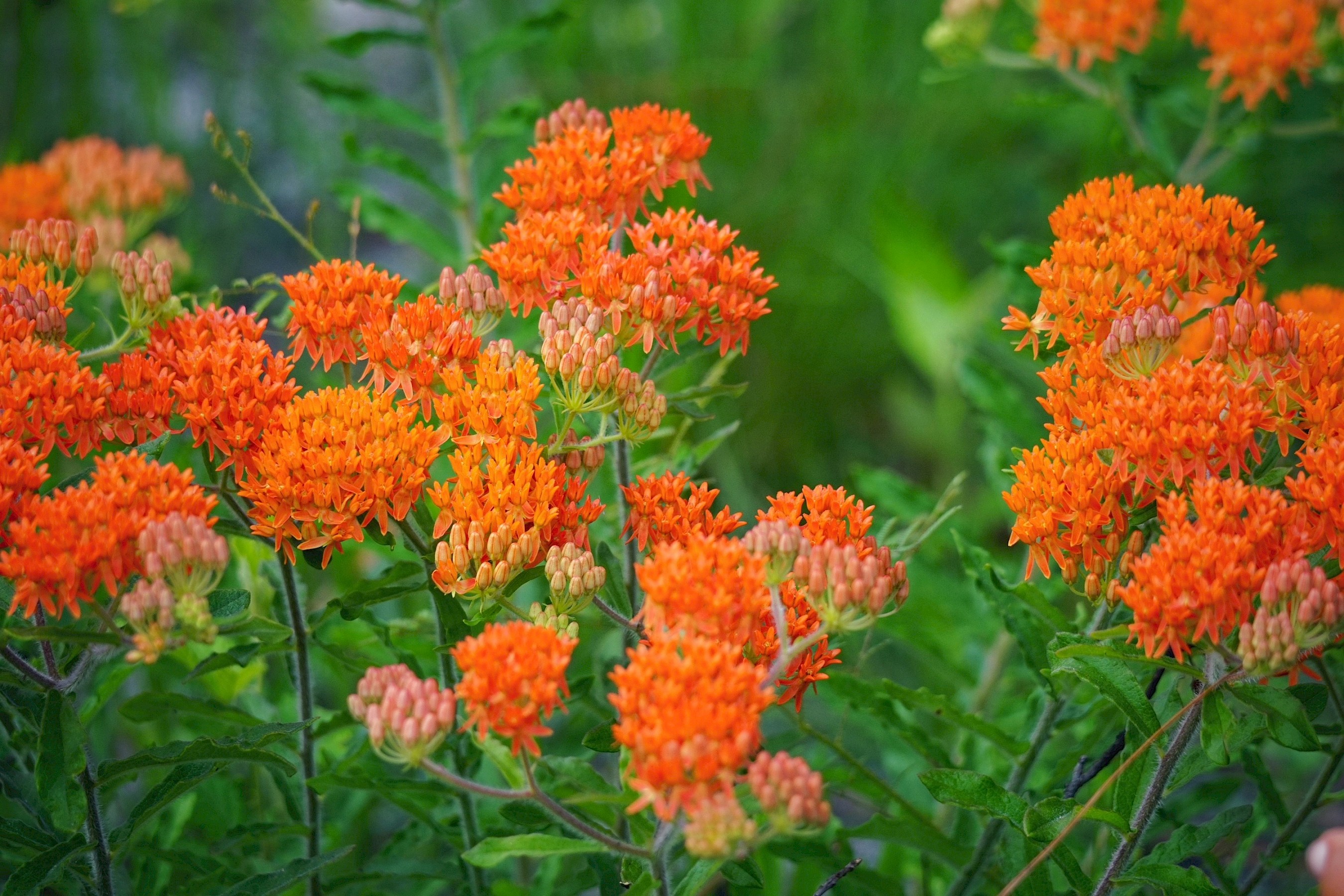
Florida-friendly natives can attract the ruby-throated hummingbird and other pollinators. Here are a few:
- Butterfly Milkweed (Asclepius tuberosa)
- Coralbean (Erythrina herbacea)
- Coral honeysuckle (Lonicera sempervirens)
- Firebush (Hamelia patens)
- Red buckeye (Aesculus pavia),
- Trumpet creeper (Campsis radicans)
Artificial feeders are popular, but sugar does not replace nectar in a hummingbird’s diet. Opt for native plants to provide these hummers a healthy diet when they visit your garden.
Gardening for Pollinators
Visit this UF/IFAS Resource to learn more about how to plan your garden to support pollinators year-round: Support Florida’s Pollinators All Year Long – UF/IFAS Extension Polk County.
The Pollinator Impact
If you’ve ever grown a fruit tree at home and it produced fruit, it was most likely quietly pollinated. Pollinators’ influence extends far beyond our gardens:
- In the U.S., over 150 food crops depend on pollinators
- Land plants produce oxygen and store carbon, acting like Earth’s lungs
- Some plants, such as mangrove trees, clean water and prevent erosion
- Animal‑pollinated plants produce more than half of the world’s fats and oils
- The USDA estimates that pollinator‑dependent crops are worth more than $10 billion each year
- Approximately 80% of crops and plant-based industrial products require pollination by animals
Stay tuned for more pollinator stories or read the series.
Supervising agent: Dr. Whitney Elmore
Follow us!
We have several ways to connect. Visit our Facebook, Instagram, Eventbrite, Blogs, UF IFAS Extension Pasco County Master Gardeners | Dade City FL | Facebook, Florida-Friendly Facebook, & Website.
UF/IFAS Resources
WEC21/UW059: Hummingbirds of Florida
 0
0