Long before humans were around, plants grew in all kinds of places on Earth. From oceans to deserts, plants have evolved to thrive in a diverse range of habitats. It is a good rule of thumb to match a plant to the conditions in which it will be planted. To learn more about smart gardening, visit the Florida-Friendly Landscaping™ Program website. Utilize the Florida-Friendly Landscaping™ Plant Guide to find UF-recommended plants that are adapted to growing in Florida landscapes. Plants suited to their preferred conditions are typically low-maintenance and require little care once established.
Right Plant, Right Place
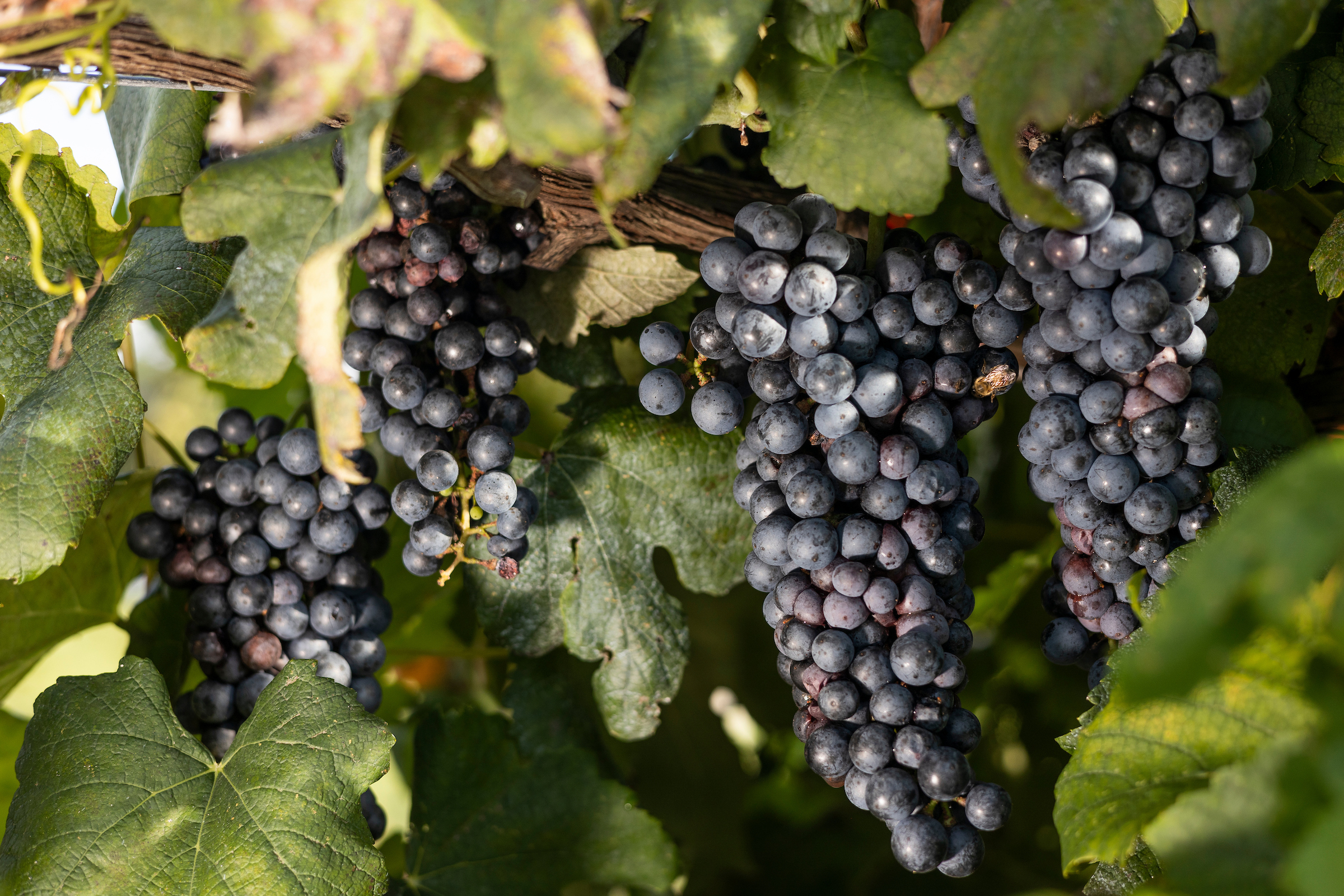
Florida’s climate can be challenging for certain plants, especially non-native plants. For example, the bunch grape (Vitis vinifera) originated near the Middle East and prefers full sun and well-drained soil, not hot and humid weather. So, it’s safe to say that the common grape does not grow happily in our Sunshine State.
Yet, Florida is the second-highest wine-consuming state in America. Developments in grape variety cultivation and resistance are paving the way for the state to enhance its wine production capabilities. Meaning, Florida may be able to increase its contribution to the grape production side as well as the consumption side.
Visit this resource to read more about the history of grapes.
Resistance – What is It?
‘Resistance’ has become a bit of a buzzword in recent times. In the horticultural world, resistance usually refers to pest/disease resistance in plants, or pest/disease resistance to chemicals. Some plants have a natural resistance to certain pests and diseases, a kind of self-defense that evolved over time to increase survival. In contrast, certain pests, like chinch bugs, can become resistant to chemicals due to overuse and overexposure, reducing their effectiveness and harming the environment. In this case, the type of resistance we’ll be discussing is the good kind – a plant’s natural defenses.
The Future of Grapes in Florida
Dr. Ali Sarkhosh, Associate Professor and head of the UF Fruit Crops program, led a trial to test grape resistance to the disease, and the results are groundbreaking for the agricultural landscape in Florida. This could mean that growers may have more success cultivating a larger range of grape varieties in Florida. Growers may have the opportunity to produce wines that reflect the region’s unique environmental conditions. This advancement strengthens Florida’s wine industry and agri-tourism overall.
John Choquer, Château Le Coeur owner and biological scientist, teamed up with the department in developing these disease-resistant grapes. John is hopeful for the future of viticulture (grape cultivation) in Florida, saying, “We plan to test more Pierce’s disease-resistant and traditional Vinifera varieties, refine vineyard practices, and build an enduring wine industry here in Florida.”
Resistance and Grapes
According to UF researchers at the UF/IFAS Plant Science Research and Education Unit, five types of grape varieties grown in a trial were found to be resistant to a bacterial infection that the vines commonly struggle with when grown in Florida, known as Pierce’s Disease. This disease is caused by a bacterium known as Xylella fastidiosa. This little bacterium obstructs xylem (the structure that transports water in plants), resulting in dehydration and death of the plant. Read more about the first disease-resistant wine grapes in this article.
The Citrus Industry
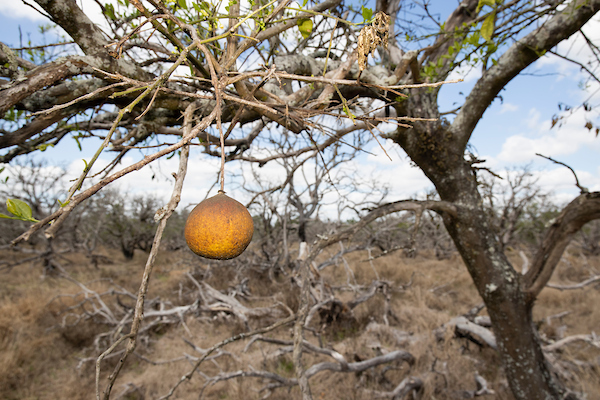
While the state is famously associated with citrus, it may surprise you to know that citrus actually isn’t native to Florida. This sector remains a vital component of Florida’s economy and agricultural landscape, which makes the news of disease resistance in wine grapes all the more important. Florida’s agricultural landscape and agri-tourism have suffered considerable setbacks over the past two decades due to the challenges impacting the citrus industry. The breakthrough in grape resistance discovered by the UF Fruit Crops program may offer hope and a wider selection of crops to growers.
Challenges for Citrus
Citrus greening (HLB) is a bacterial disease that has affected approximately 90% of the state’s citrus groves, resulting in a significant decline in Florida’s citrus industry production. Growers are struggling to grow fruit and are forced to diversify their crop production. The losses in the citrus industry have severely affected growers and negatively impacted Florida’s tourism and economy. These issues contributed to the loss of 34,000 jobs in Florida’s citrus industry between 2006 and 2016. Read more about How the Asian Citrus Psyllid Brought the Citrus Industry to Its Knees. Experts continue to work on a solution to the problem.
Grow Grapes at Home
Remember when we said plants evolve to thrive in their environments? Well, the U.S. has its very own native grape, the muscadine grape (Vitis rotundifolia), and this species is resistant to Pierce’s disease. Since this vine is well adapted to Florida’s weather conditions, it can be grown at home without pesticides. These grapes are known to have a tart, musky flavor, and high levels of antioxidants (so they’re healthy) and completely safe to consume. And, yes! Red and white wine varieties are made from these grapes.
Florida A&M University’s Center for Viticulture is working to boost the appeal and market potential of muscadine grapes (Vitis rotundifolia), in an industry long dominated by bunch grapes. Their research aims to boost popularity with consumers, growers, and winemakers. Visit this UF/IFAS Extension resource to learn more.
Visit this UF/IFAS Publication to read more about muscadine grapes.
Florida Natives
Enhance your garden with Florida’s native plants for a beautiful, low-maintenance landscape that supports local wildlife. Read this series to learn more about Florida natives.
Have a question?
If you have any questions about gardening in Central Florida, please contact UF/IFAS Extension Pasco County at 352-518-0156. Supervising Authors: Dr. Whitney Elmore
Follow us!
We have several ways to connect. Visit our Facebook, Instagram, Eventbrite, Blogs, UF IFAS Extension Pasco County Master Gardeners | Dade City FL | Facebook, Florida-Friendly Facebook, & Website.
 5
5