What is the Relationship Between Soil and pH?
Remember those science class lessons about the pH scale? You know, the one where you learned that lemons were acidic, pure water was neutral, and baking soda was alkaline? It turns out that understanding pH is not just for the classroom; it’s also crucial for successful gardening.
Soil pH is a measure of how acidic your soil is, and it plays a significant role in the growth and survival of your plants. Just like how a balanced pH is essential for our bodies, plants also thrive when their soil pH is within the right range.
But what exactly is soil, and why does its pH matter?
- Soil is a complex mixture of minerals, organic matter, living organisms, water, and air.
- Over time, the components of soil, including additions such as fertilizers and organic matter, can influence its pH.
- For each unit change in the pH scale, there is a 10-fold difference in the acidity. This directly impacts nutrient absorption and overall plant health.
- Meaning, soil with a pH of 6.0 is ten times more acidic than soil with a pH of 7.0.
What pH Should My Soil Have?
Most vegetables prefer slightly acidic soils, with a pH range of 5.5-6.5. If your soil’s pH is too high or low, your plants won’t be able to absorb nutrients effectively, no matter how much fertilizer or water you provide.
If you suspect a pH imbalance in your soil, it’s essential to get it tested before treating it. It’s also essential to test your soil pH and nutrient content prior to fertilization.
Fertilizers are necessary for proper plant growth, but they’re not plant food. When fertilizers are applied and the plant does not need supplemental nutrients, the pH is not optimal for plant uptake, or when plants are not actively growing (think turfgrass), will result in the waste of time, money, and eventually pollution of our valuable water resources.
Our sandy soils are porous, so they do not hold water or nutrients efficiently nor for long periods of time. So, applications of fertilizers, pesticides, and water move more quickly through a sandy soil profile. If these treatments move past the zone of uptake in the roots, the plant cannot utilize them, and they end up washing off into our water sources. Fertilizer components such as nitrogen and phosphorous are extremely damaging to our water resources leading to algal blooms, fish kills, toxic red tide, etc.
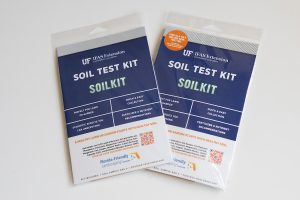
- UF/IFAS Extension provides Soil Testing Services that are affordable and available to the public. You can easily print a soil test form and learn how to quickly sample your soil for submission to the UF/IFAS Soils Lab or use an alternative test kit that you can pick up in any Extension Office.
The results will provide valuable information about your soil’s pH, fertility levels, and nutrient content as well as provide recommendations for the amount of and type of fertilizer necessary.
- Keep in mind that adjustment in soil pH is not permanent, so adjustments will most likely need to continue throughout future growing seasons to ensure proper plant growth and production.
Treating Acidic Soil:
So, how do you adjust soil pH if it’s too acidic, or below 7.0 on the pH scale?
One method is liming, which involves adding lime to neutralize soil acidity and raise the pH – making it less acidic.
- Garden lime or dolomitic lime, made from ground-up limestone or dolomite, are commonly used for this purpose.
- Most vegetables, fruits, and turfgrasses prefer slightly acidic soil, so it’s rare to make adjustments with lime-based fertilizers.
- This should only be done when recommended as a result of a soil test.
In Central Florida, soil pH is high, or alkaline (basic) due to the natural soil properties and naturally occurring high calcium-containing irrigation water. It’s not typically necessary to lime. The addition of lime without pH testing could cause high pH that could cause slow to now growth and production, nutrient deficiencies, and/or death. This varies based on specific plant needs as well.
- Learn more about how to lime your vegetable garden by reading UF/IFAS Soil Preparation and Liming for Vegetable Gardens.
Treating Alkaline Soil:
You have basic (same as alkaline) soil, which means the pH is above 7.0 on the pH scale. Now what?
Although it is more difficult to decrease the pH of soil (or make it more acidic), there are a few options to temporarily neutralize alkalinity of the soil.
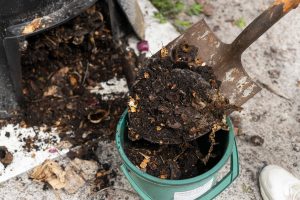
- Add organic matter (like compost).
- Add highly acidic options like peat or sphagnum peat moss.
- Add pine needles and oak leaves.
- Add acidifying fertilizers like ammonium sulfate or other products labeled for acid reaction in the soil.
Materials like the ones listed below react with the surrounding soil and lower the pH:
- Elemental sulfur
- Aluminum sulfate
- Sulfuric acid
- Ammonium Sulfate
- Iron Sulfate
These treatments are temporary and should be used with care to avoid damage to your garden.
- Concentrations of aluminum and sulfate can be harmful to plants.
- Sulfur reacts to create sulfate and may accumulate and become toxic to plants.
If the soil is impacted by alkalinity issues, selecting plants tolerant to high pH conditions from the start may increase your chances of success in the landscape, but for veggies, this is a bit more complicated.
Are you Florida-Friendly?
The nine principles of Florida-Friendly Landscaping™, including right plant, right place, watering efficiency, and responsible pest management, provide valuable guidance for sustainable gardening practices. The Florida-Friendly Landscaping™ Guide to Plant Selection & Landscape Design can help you choose the right plant for the right place. You can order a free copy on the Southwest Florida Water Management District’s website.
Conclusion
When planning a garden, don’t forget about the soil pH. The majority of soils in Florida are alkaline with a pH above 7.0, so grow plants in raised beds or pots to amend soil in smaller volumes and avoid high pH ground soils. In addition to managing soil pH, responsible gardening practices play a vital role in creating a thriving garden while protecting the environment.
Remember to test your soil throughout the treatment process to reach and maintain your desired pH level and practice sound cultural practices like irrigating effectively, pruning properly, and planting the right plant in the right place at the right time.
Have a question?
For more information, contact your local county Extension office.
Supervising Agent: Dr. Whitney Elmore
 5
5