The cool weather is here, and your grass is starting to fade to yellow or brown. Before you reach for the fertilizer or insecticide, ask yourself – why is your grass brown? Is that cold-weather damage? Dormancy? Or something else? It is good practice to know with certainty what the issue is before reaching for that chemical.
If you water and fertilize your lawn year-round to maintain green, vibrant turf, you have just created an all-you-can-eat buffet for certain pests. Remember, yellowing or brown grass may not be dead, and is not always indicative of a pest problem. Warm-season turfgrasses (think St. Augustinegrass, Bahiagrass, and Zoysiagrass) go dormant as a defense against the cool weather, and come back to life with the warmer temperatures of the spring. Brown grass is simply a visual notice that the turf is dormant. No chemical necessary! And no fertilizer! Dormant grasses should not be fertilized since the roots cannot take up nutrients during this stage, which means that fertilizer is a waste of your money and time. Those fertilizers also become pollutants, contributing to a host of issues in our waterways.
Do you have a pest problem?
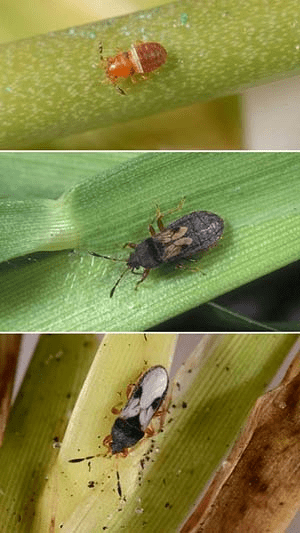
Here’s an example. You notice brown or dead turf, and you’re not sure if there’s a problem. First, ask yourself, do I have a pest problem? A common culprit of insect damage in St. Augustinegrass is the chinch bug. There are certain indicators when trying to determine if you have a chinch bug infestation on your hands. Is the affected patch of grass yellow to brown in color? Is there a pattern in the grass, like an irregular shape extending outward from a heavily injured origin? Cold damage to turf often gets mistaken for chinch bug damage. If you notice tiny black and white, or sometimes orange, bugs on the border of healthy grass and injured grass, you may have a pest problem. The chinch bug (Blissus insularis) is a native insect that lives and feeds on turf. Chinch bugs are most active during the warm season when they have plenty of shelter and food. They are also common in stressed turf, which happens in over-fertilized and over-watered warm-season grasses in their dormant periods.
Turf can become stressed from excessive or insufficient irrigation events, being mowed below its desired length, or receiving too much fertilizer. Before you grab that insecticide, ensure that the chinch bug is the culprit plaguing your lawn, because you may wipe out beneficial bugs that feed on the bugs we consider pests. Always get an ID so you can treat the issue correctly. For our example, let’s say you found what you believe are chinch bugs in your turf. Now what?
You identified the problem. Now what?
If you do have a pest problem on your hands, step one is to identify the pest. Well, the real first step would be to avoid infestation altogether. Sometimes it can’t be helped, but by following UF/IFAS recommended IPM practices, you may be able to avoid these problems altogether, or catch infestations early, which is key with chinch bug infestations. In recent years, there has been an increase in the number of lawns affected by chinch bugs. Pests are becoming resistant to insecticides and pesticides due to overexposure. This makes the implementation of an IPM, or integrated pest management plan, that much more important. IPM combats pest resistance because it starts with the mildest treatment and recommends the harshest treatment (chemicals like insecticides and pesticides) as a last resort. Regularly scout your lawn and landscape and know what is normal, so when you see something out of the ordinary, you can identify the issue and treat it before it becomes a problem.
Whether it’s chinch bugs, a disease, or simply winter dormancy, your local extension office can help you determine the cause of the issue and provide recommendations, saving you valuable time and money. Visit this UF/IFAS Publication to learn more about chinch bugs.
IPM Guidelines
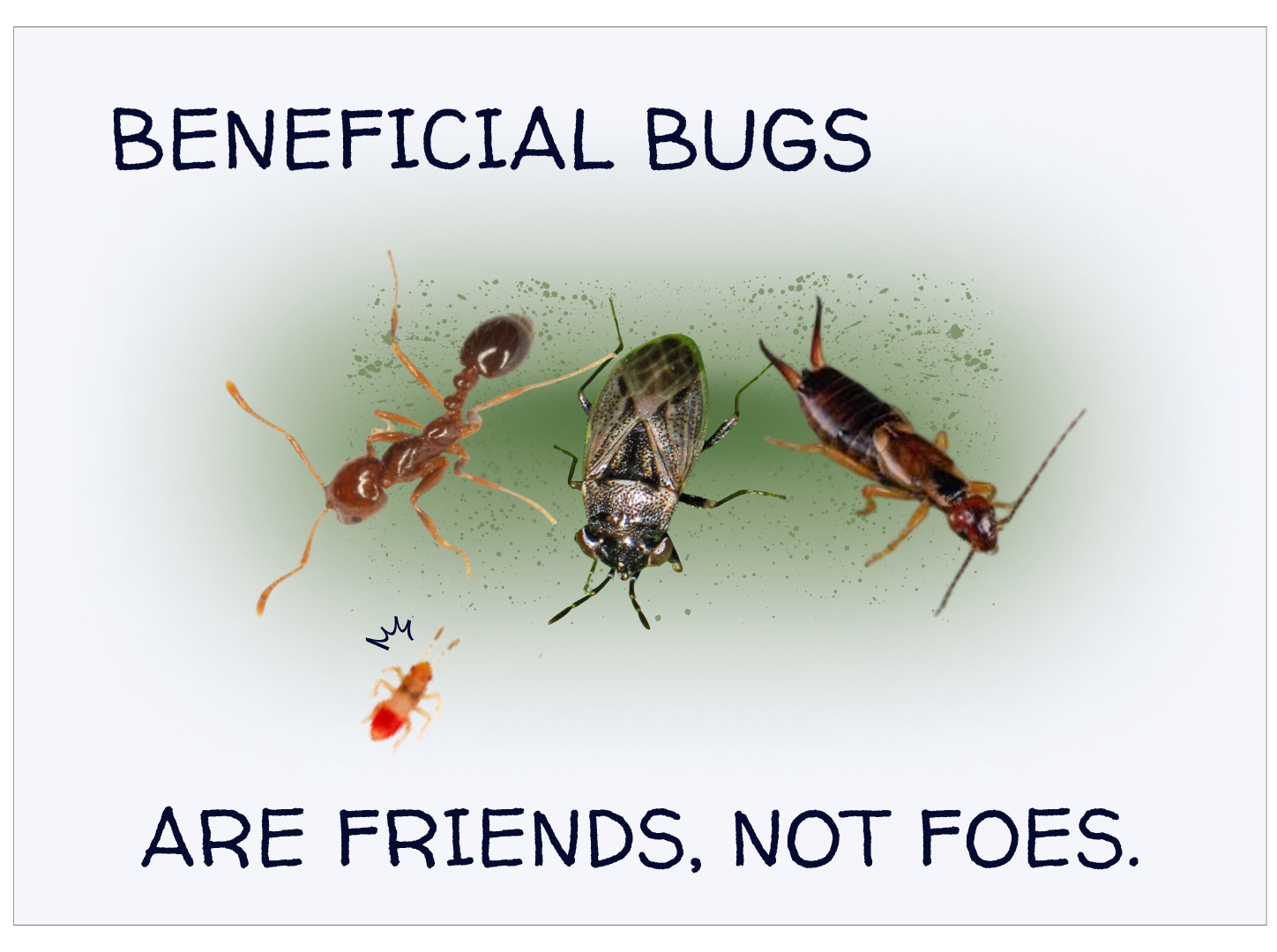
IPM is a method that includes preventative, cultural, physical, biological, and chemical control tools to maximize pest management with the least amount of damage to yourself, your property, and the environment. You may find that reducing thatch and minimizing fertilizer and water application is more effective in preventing an infestation. You could even encourage beneficial insects like big-eyed bugs, minute pirate bugs, predatory earwigs, spiders, ground beetles, and a wasp species (Eumicrosoma benefica) (yes, a beneficial wasp!) that help to eradicate chinch bugs. The beneficial ‘big-eyed bug’ is often confused with chinch bugs, which makes it even more important to identify a bug before taking any action. Pesticide applications will harm non-target and beneficial bugs in many cases, so ensuring you have a problem, identifying it, and treating it accordingly is the best way to prevent harm when treating a problem in your turf.
Cultural control
To maintain a healthy lawn and landscape, follow best practices such as managing thatch, mowing correctly, fertilizing appropriately, and watering properly. Things like maintaining thatch, mowing, fertilizing, and watering properly. Follow the 9 Principles of Florida-Friendly Landscaping™ to set your garden up for success. Visit this UF/IFAS publication to learn more about Best Management Practices for Your Lawn.
Chemical control
If you must treat the turf with insecticides, always follow the label. The label is the law. Chinch bug nymphs are most susceptible to chemical treatments, so it helps to know a bit about their life cycle, which helps you target your chemical applications during peak activity.
Have a question?
If you have any questions about gardening in Central Florida, please contact UF/IFAS Extension Pasco County at 352-518-0156. Supervising Agent: Dr. Whitney Elmore.
Follow us!
We have several ways to connect. Visit our Facebook, Instagram, Eventbrite, Blogs, Florida-Friendly Facebook, & Website.
Learn more!
- Augustinegrass
- Zoysiagrass
- Chinch Bug Monitoring–Uf/Ifas Extension Orange County
- Chinch Bugs In Florida Lawns–Uf/Ifas Extension Sarasota County
- Southern Chinch Bug, Blissus InsularisBarber (Insecta: Hemiptera: Blissidae)
- Screening Methods For Southern Chinch Bug Resistance In St. Augustinegrass
- Effect Of Southern Chinch Bug On Weed Establishment In St. Augustinegrass
- Beneficial True Bugs: Big-Eyed Bugs
- Alternative strategies for controlling chinch bugs
- Cultural Practices to Manage Pests– UF/IFAS
 2
2