As the United States prepares for the potential arrival of New World screwworm (NWS), different agencies are working on multiple management approaches. The production and release of sterile flies is an ongoing, expanding tool to combat the spread of the fly. Additionally, the U.S. Food and Drug Administration is working to conditionally approve livestock products for off-label use. Recently, the agency approved Dectomax-CA1 for use in cattle only for prevention and treatment of NWS larval infestations.
For products to receive these conditional approvals, it must be determined that the drug is both safe and has a “reasonable expectation of effectiveness.” After that, it is then the responsibility of the pharmaceutical companies to collect necessary data to get a full approval. The FDA is working to expedite animal drug reviews so that more products are available before the NWS makes its way into the U.S.
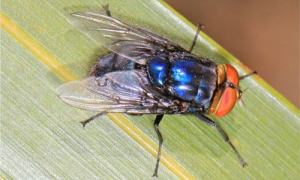
Credit: Judy Gallagher
Part of the NWS parasitic fly’s life cycle results in larvae (maggots) developing and burrowing into living flesh because the fly placed them in small wounds. The fly is found in the Western Hemisphere in mostly tropical areas. NWS does not over winter where there are freezing temperatures. The adult fly can travel up to 125 miles before laying eggs in a wound. Movement of animals, wildlife and people from infested areas to a new area can also move NWS.
Dectomax and Dectomax-CA1 both contain the same active ingredient (doramectin injection) at the same dose. (The Dectomax-CA1 has the amended label that specifically mentions NWS). The withdrawal period for cattle is 35 days. To reduce the risk of resistance and maintaining drug effectiveness against parasites, producers are encouraged to use antiparasitics only when necessary and in accordance with the product label instructions. Zoetis has published that the conditional approval applies to beef cattle, pregnant cows, newborn calves, bulls, and female dairy cattle less than 20 months of age.
In early 2026, we will begin to see the Dectomax injectable with the new label – Dectomax-CA1. The FDA is continuing to review other potential NWS products to protect many animal species. There are other products in the pipeline being reviewed for use as tools to protect against NWS and more should receive that approval as time goes on. The key for producers and veterinarians is to stay vigilant and be prepared. Observe livestock for symptoms (presence of maggots in wounds, rotten smell, general irritability, and head shaking). Animals will be very uncomfortable, will separate themselves from the herd, and will stop eating. If you detect NWS, report it to your veterinarian immediately. Animals should not be moved because that will spread the larvae and make containment of NWS difficult. The best defense is to have a plan in place should the NWS make its way here. As always, have a good relationship with a veterinarian who will be up-to-date on availability of products to combat NWS.
If you would like to learn more about NWS biology, EDIS document EENY-668 is a great resource.
 0
0