Jay Capasso, UF/IFAS Columbia County Extension. Ethan Doherty, Graduate Student, Department of Entomology, Louisiana State University.
Introduction
The maize weevil (Sitophilus zeamais) is a major pest of corn, particularly in subtropical and tropical regions. In the southeastern United States, it is among the most damaging pests corn growers face, costing the agricultural industry millions of dollars annually. Both adults and larvae can infest corn, whether it is standing corn or stored post-harvest. Maize weevils are most commonly spotted as adults and look like small brown beetles with distinctive snouts. Adult females will chew holes into kernels, laying a single egg inside. From the egg, a larva will emerge. By feeding from within the kernel, the larva will complete its development, pupate, and eventually emerge as an adult beetle.
Management
Maize weevil’s can be managed through multiple strategies:
- Timely Harvest and Sanitation: Timely harvest and sanitation are the best practices for preventing maize weevil infestations in the field. Harvesting on time means maize weevils have less time to infest and reproduce on standing corn crops. Often, maize weevils will infest the edges of fields before moving on to the rest of the crop. When maize weevils are present on edges of the field these areas can be harvested first and stored separately. Growers should clean spilled grain and discard old grain before adding new grain into storage.
- Temperature and Moisture Control: Temperature and moisture control are effective strategies for managing maize weevils in stored corn. Maize weevils are unable to move or develop at temperatures cooler than 50 degrees Fahrenheit. The temperature of stored grain bins can be managed using aeration. However, it is difficult to maintain this temperature in the late summer and early fall months in North Florida. Storing grain at less than 11% moisture is also helpful for controlling maize weevils.
- Chemical Control: Insecticides can be applied as protectants or fumigants when grain is being placed into storage. Protectant insecticides are applied with the intent of providing long-lasting control for many months of storage. Fumigants are gasses that are short-lived, but fast-acting, and can be applied reactively to infestation. Application of fumigants is often labor-intensive and costly. Fumigant applicators should carefully follow label directions as inhalation of fumigant gasses can result in severe injury or death. Field applications of insecticide are not recommended. See table 1 and 2 for list of various fumigant and protectant insecticides for controlling maize weevils during the storage process.
- Resistance: Different varieties of corn have different levels of susceptibility to maize weevils. Identifying whether a variety is resistant or susceptible can help growers anticipate what chemical control inputs may be needed.
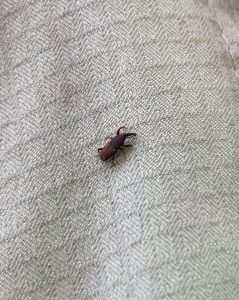
Table 1: Fumigant products labeled for maize weevil control (Table 1).
| Fumigants | Products | Formulation | Notes |
| aluminum phosphide | Weevil-Cide 60% | Pellets or tablets | RESTRICTED USE, added to and sealed in grain bins |
| Phosfume2 60% | |||
| Phostoxin 60% | |||
| phosphine | Vaporph3os | Cylinderized gas | RESTRICTED USE, applied to gas-tight storage |
| phosphine + carbon dioxide | Eco2fume | ||
| sulfuryl fluoride | Profume |
Table 2: Protectant insecticide products labeled for maize weevil control (Table 2).
| Protectants | Products | Formulation | Notes |
| beta-cyfluthrin | Tempo SC Ultra | Suspension concentrate | Applied to bin before grain storage |
| deltamethrin | Centynal EC | Emulsifiable concentrate | Applied to grain during storage |
| D-Fense SC | Suspension concentrate | ||
| Suspend SC | |||
| deltamethrin + s-methoprene | Diacon IGR Plus | Emulsifiable concentrate | |
| s-methoprene | Diacon-D IGR | Dust | |
| Diacon IGR | Suspension concentrate |
The commercial products listed are possible recommendations to help manage maize weevil pests in field corn production. This blog post is intended for educational purposes. It is not the intention of the authors to provide a complete list of product recommendations or endorse a particular product or brand.
 0
0