Highlights
- Women make up less than 30% of all scientists globally, a reminder of how persistent gender gaps remain in STEM fields, according to UNESCO.
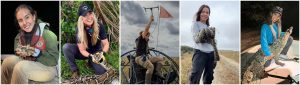
- At the University of Florida’s Croc Docs Wildlife Research Lab , women represent half of the team, signaling a shift in conservation science as long‑standing stereotypes give way to a new generation of researchers, leaders and mentors.
- This International Women and Girls in Science Day, on Feb. 11, meet the women behind the work, whose research and dedication are shaping the future of conservation in the Everglades and beyond.
In chest-deep waters, on midnight airboat runs and along remote roads, women scientists at the University of Florida Institute of Food and Agricultural Sciences (UF/IFAS) carry out the kind of conservation work most people never see.
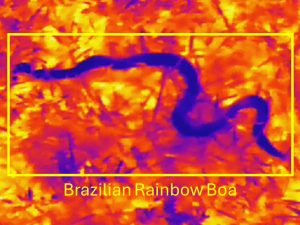
They capture alligators, track invasive pythons, stop the spread of destructive species and protect some of Florida’s most fragile ecosystems.
Click here for more about this study and its results.
Para accesar a esta comunicación en español, por favor utilice este enlace.
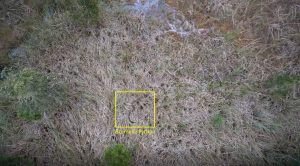
Photo credit: UF/IFAS Croc Docs
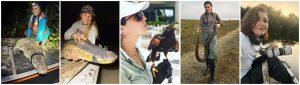
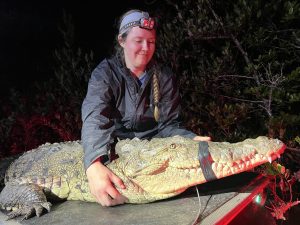
Photo by UF/IFAS Croc Docs
Para accesar a esta comunicación en español, por favor utilice este enlace.
###
By Lourdes Mederos, rodiguezl@ufl.edu
ABOUT UF/IFAS
The mission of the University of Florida Institute of Food and Agricultural Sciences (UF/IFAS) is to develop knowledge relevant to agricultural, human and natural resources and to make that knowledge available to sustain and enhance the quality of human life. With more than a dozen research facilities, 67 county Extension offices, and award-winning students and faculty in the UF College of Agricultural and Life Sciences, UF/IFAS brings science-based solutions to the state’s agricultural and natural resources industries, and all Florida residents.
 0
0

