The rise of antibiotic-resistant bacteria is a growing global health threat that is prompting research into alternative methods of fighting infection. University of Florida scientists exploring host-directed therapies, an increasingly common approach which harness biological processes to combat infections, have identified a promising strategy to block pathogens from hijacking key components of cellular machinery. By combining the strategy with antibiotics, they managed to nearly eliminate bacterial loads within infected cells.
The scientists, whose research was funded by the U.S. Department of Defense and the National Institutes of Health, describe their findings within a new study published in mBio, a journal of the American Society for Microbiology.
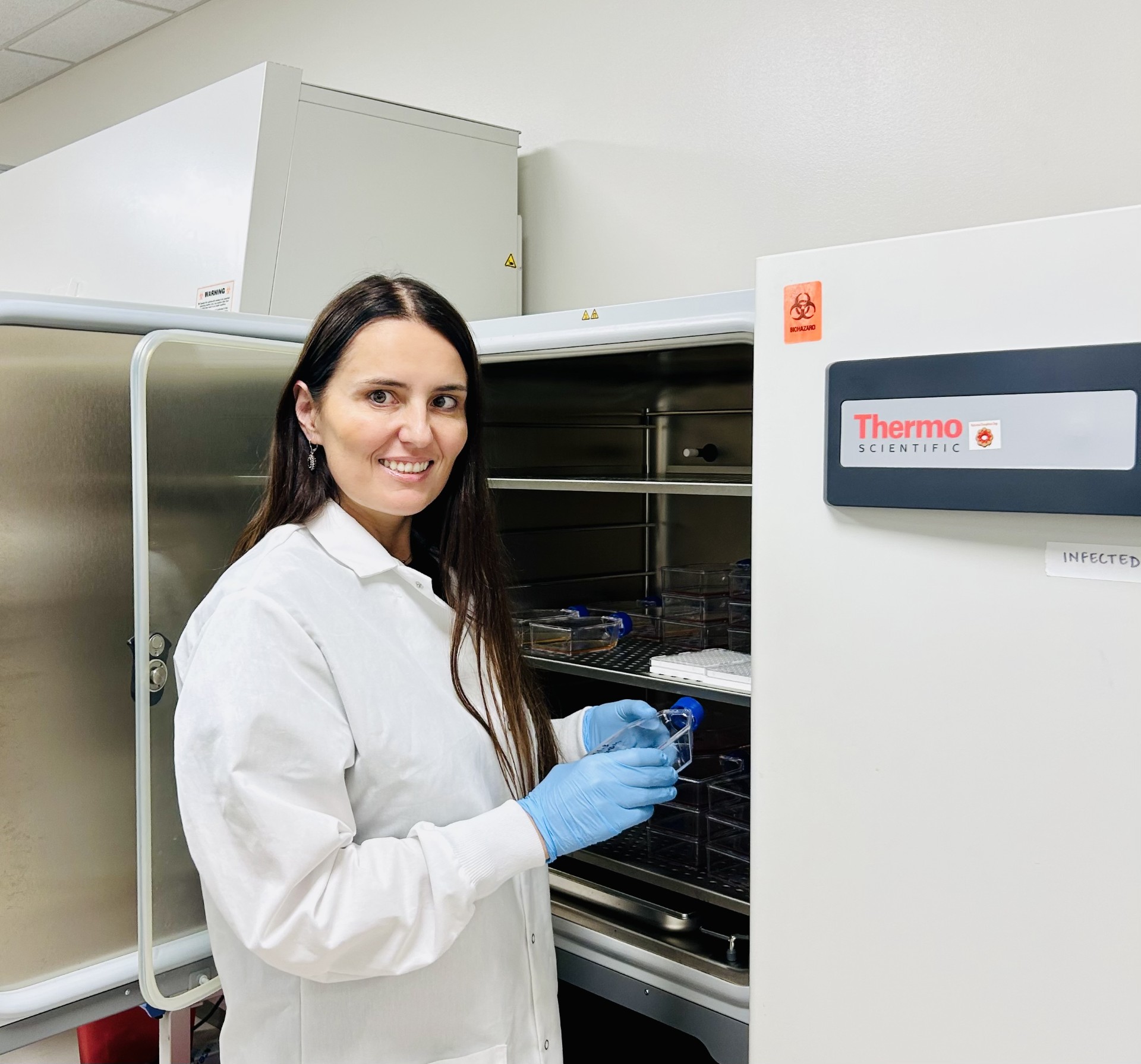
“We’ve discovered a way to use chemical compounds to modify activity within cells, so they can more efficiently clear infections,” said lead study author Mariola Ferraro, an associate professor in the UF Institute of Food and Agricultural Sciences (UF/IFAS) Department of Microbiology and Cell Science.
Their strategy involves targeting the Ubiquitin-Proteasome System (UPS), a process inside cells. Under normal conditions, the UPS removes damaged, misfolded or excess proteins, preserving cellular health. Pathogens, however, can manipulate UPS enzymes to prevent degradation of specific bacterial or host proteins, which allows the pathogens to survive, proliferate and disrupt cellular functions.
Ferraro and her team have identified chemical compounds that stop bacterial infection from disrupting the UPS and which promote bacterial clearance. Their analysis began with salmonella, a leading cause of foodborne illness. The researchers infected white blood cell samples with the bacteria and then treated the samples with different compounds known to affect UPS enzymes. Nearly 60 of the compounds significantly reduced bacterial loads. Several caused a 10-fold reduction.
Importantly, a handful of the compounds reduced bacterial loads without negatively affecting the host cells, Ferraro said.
“Our tests focused on whether these compounds work well against bacteria, but of course we don’t want a solution that harms the patient,” she said. “We therefore ran multiple assays to confirm they are well tolerated by host cells.”
Among the safe compounds was AZ-1, which emerged as a top potential therapy due to its ability to inhibit enzymes that support salmonella’s survival, reduce proteins that promote inflammation and suppress key immune pathways. Among salmonella-infected mice, AZ-1 treatment led to reduced bacterial colonization, and it mitigated weight loss and led to improved clinical outcomes. Survival rates, however, improved only modestly until another antibiotic was administered; the combined therapy decreased salmonella bacterial loads by 99.99%.
The researchers next tested AZ-1’s efficacy against ESKAPE pathogens, a group of highly infectious bacteria. Treatment with AZ-1 led to significant reductions in bacterial loads within white blood cells infected with Pseudomonas, Klebsiella and Acinetobacter.
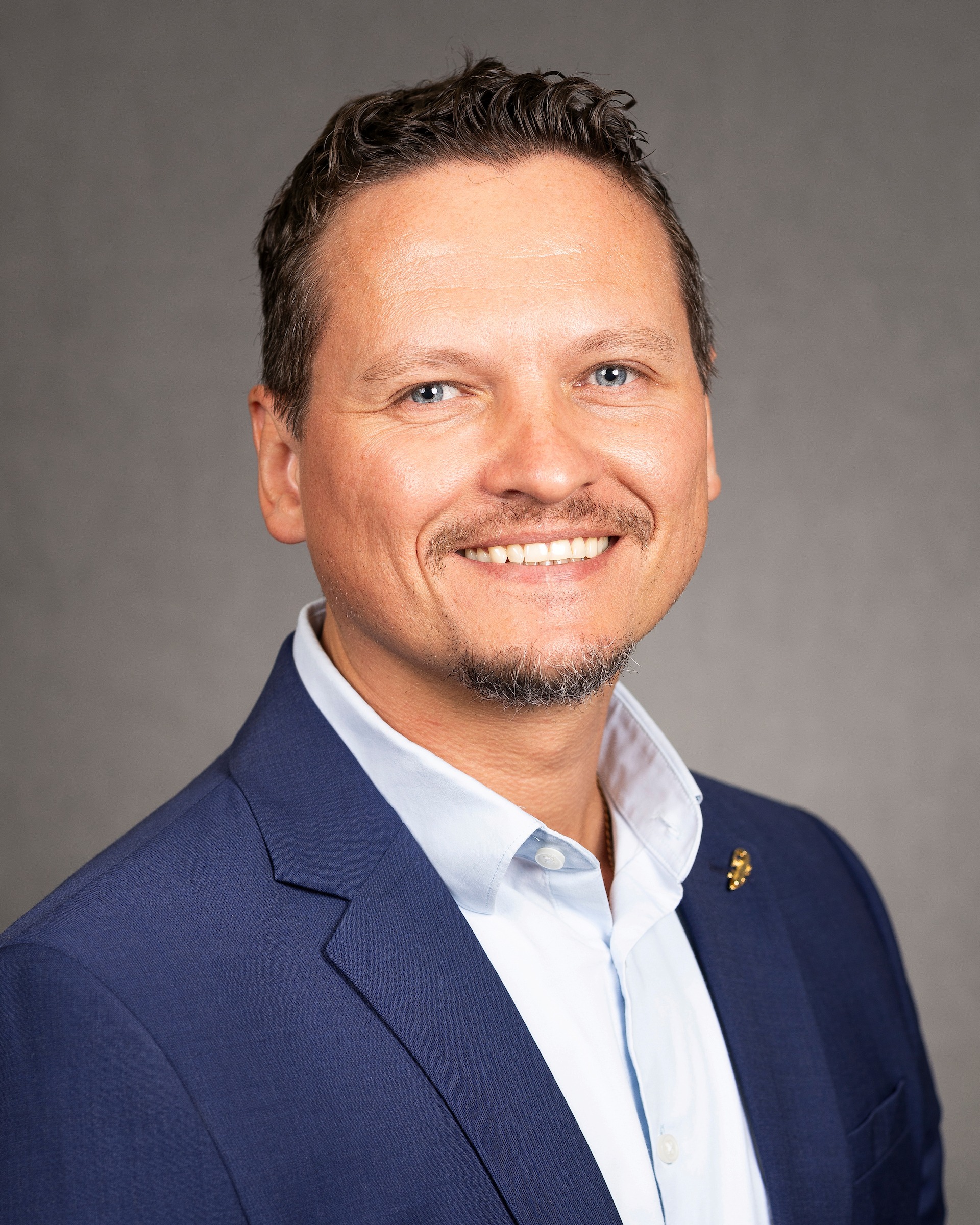
“These results are especially exciting as ESKAPE pathogens pose a significant healthcare challenge because of their extensive resistance to antibiotics,” said study co-author Daniel Czyz, an associate professor in the UF/IFAS Department of Microbiology and Cell Science.
The research team intends to seek additional funding to identify the precise molecular mechanism through which pathogen clearance within cells works and then introduce various antibiotics to see which combinations of compounds and antibiotics are most effective.
“There is more work to be done to translate these findings, but we have established a foundation for developing host-directed antimicrobials that target the Ubiquitin-Proteasome System,” Ferraro said. “Such agents could potentially be used alongside classical antibiotics to more effectively combat infections.”
###
ABOUT UF/IFAS
The mission of the University of Florida Institute of Food and Agricultural Sciences (UF/IFAS) is to develop knowledge relevant to agricultural, human and natural resources and to make that knowledge available to sustain and enhance the quality of human life. With more than a dozen research facilities, 67 county Extension offices, and award-winning students and faculty in the UF College of Agricultural and Life Sciences, UF/IFAS brings science-based solutions to the state’s agricultural and natural resources industries, and all Florida residents.
 5
5

