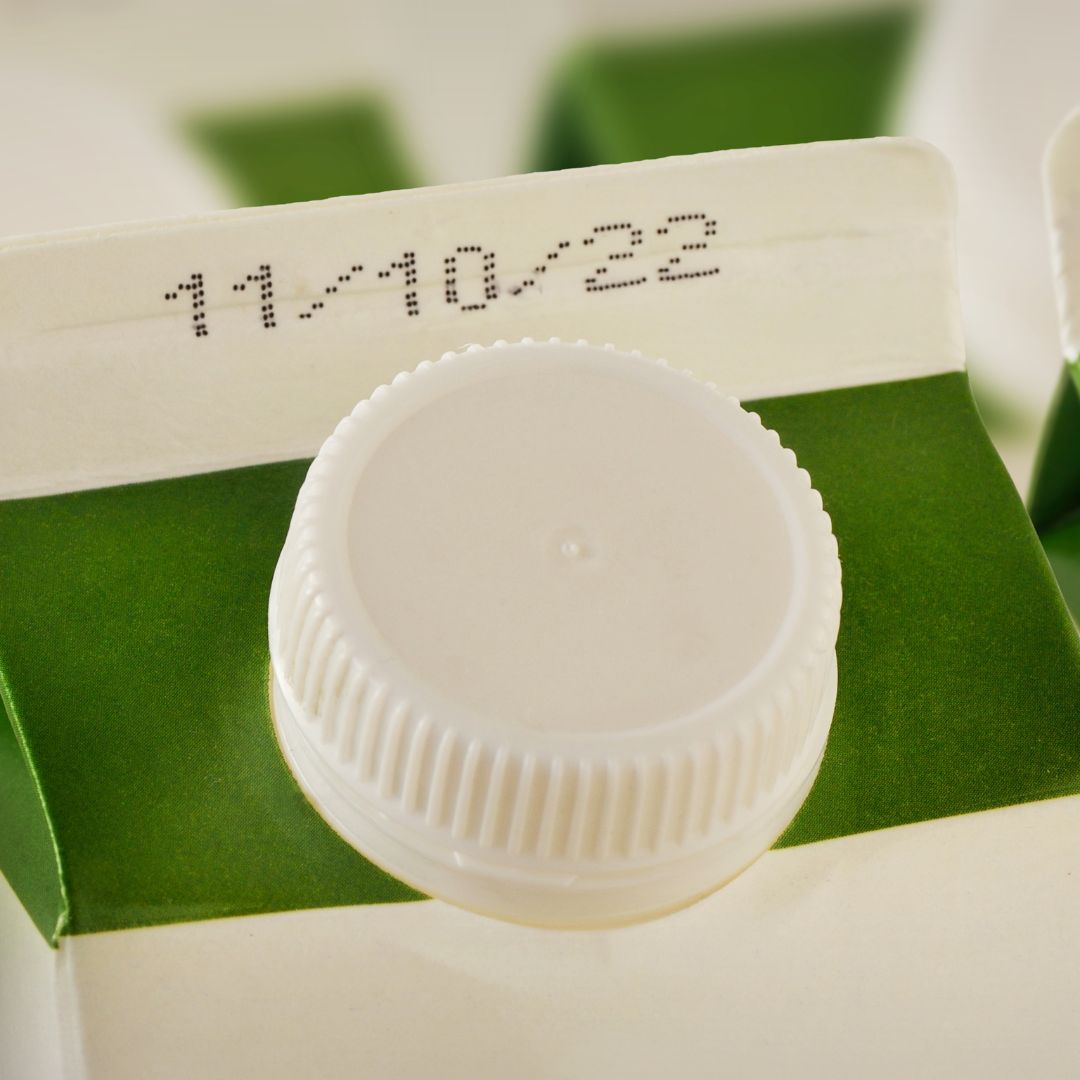
When shopping for groceries, it’s easy to get confused by the different food product dates stamped on packaging. “Sell by,” “Best if used by,” “Use by,” and “Expiration” dates don’t all mean the same thing, and misunderstanding them can lead to throwing out perfectly good food—or worse, wasting money. By learning what these dates really mean, you can stretch your grocery budget and reduce food waste.
Importantly, food package dating is not federally regulated except in infant formula.
Types of Packaging Dates

-
Sell By Date: This is meant for the store, not the customer. It tells retailers how long to display the product for sale. Foods are usually still safe to eat for days (sometimes weeks) after this date if stored properly.
-
Best If Used By/Before Date: This refers to quality, not safety. It’s the manufacturer’s estimate of when the product tastes its best. Many packaged foods—like cereal, pasta, and canned goods—are safe long past this date.
-
Use By Date: This is the last date the manufacturer recommends for peak quality. It’s not necessarily a safety cutoff (except on infant formula, where it is federally regulated).
-
Expiration Date: This is the closest thing to a real safety deadline. If you see “expires on,” it’s best not to consume the product after that point.
Tips for Saving Money and Reducing Waste
-
Shop Smart Around Dates: Grocery stores often discount items nearing their “sell by” or “best by” dates. Buying these and using or freezing them quickly can save you money.
-
Trust Your Senses: Look, smell, and taste (safely) before tossing something. Many foods are fine well beyond the printed date.
-
Use Your Freezer: Freezing meat, bread, and even dairy products before their date can extend shelf life for months.
-
Practice FIFO (First In, First Out): Rotate items in your pantry and fridge so older items are used first.
-
Know the Shelf Life: Canned goods, dried pasta, and rice can last for years if stored properly. Don’t rush to throw them away just because of a “best by” label.
Why It Matters
According to the USDA, Americans waste about 30–40% of the food supply each year, much of it due to confusion over date labels. That’s money out of your pocket and food out of the supply chain. By understanding packaging dates, you can save money, reduce waste, and make your groceries stretch further.
To learn more, check out this USDA resource https://www.fsis.usda.gov/food-safety/safe-food-handling-and-preparation/food-safety-basics/food-product-dating
Find all of our UF-IFAS Blogs here https://blogs.ifas.ufl.edu/about/
 1
1