Whether you are just thinking about raising cattle, inherited an existing operation, have purchased land you want to utilize for a cattle operation, or you are already managing a herd that is not meeting your expectations, it is always good to go back to the basics of cattle herd management. Raising cattle can be a very enjoyable pastime, side business, or a full-time operation when the basic needs of the herd are met. This article will summarize some of the key questions to answer before you invest land, time, and money in a cattle operation. For the past 30 years I have been advising local people on cattle and forage management, so I thought it would be a good idea to write a series of articles that offered some answers to common questions. The goal here is not compile a master plan, but simply to guide people to asking the right questions.
–
1. Stocking Rates
The first question everyone asks is how many cattle can I raise on my land? This is not a simple question, because it varies considerably based on soil type, the type of operation you want to have, and the quality and quantity of the forage that you can produce. The key goal should be to grow forage to feed your herd as much of the year as possible. A survey of 253 cattle ranchers in the Florida Panhandle indicated that the average stocking rate for cow-calf ranches was 2.2 acres per cow-calf pair. There are also different seasons of forage growth each year, so the cattle your pastures can feed changes considerably throughout the year. It is possible to grow some type of forage year-round, but that takes a variety of forages to make that work, not just Bahiagrass. The base forage for most cattle operations in Florida is Bahiagrass, but it goes dormant in North Florida in November and will not grow enough forage to start grazing cattle until April. That means your stocking rate should be based on providing adequate quantity in April and October, when growth is more limited rather than how much grass you can grow in July. If you push the stocking rate up to 1.5 acres per cow-calf pair, then you are going to rely more on stored hay or other forages to provide nutrition for your herd besides permanent Bahiagrass pastures. On a higher stocking rate, 1-1.5 acres/cow you are either going to have to sell cattle or buy feed in drought years. Stocker cattle (weaned cattle less than 800 pounds) can be more densely grazed because each animal is consuming less forage and can be added or removed to match forage production. It is common sense that two 650-pound yearlings will eat about the same forage as one 1,300 mature cow. Cattle being finished for freezer beef (yearling cattle ranging in weight from 850 to 1300 pounds) can be stocked at an even higher rate because a greater percentage of their daily nutritional requirements are met by grains and byproduct feeds. This is not the case with grass finished beef though. Just understand that even fertilized Bahiagrass alone will not provide adequate nutrition for substantial growth of stocker cattle or to fatten freezer beef cattle. My suggestion is to start with a conservative number of cattle (3-4 acres/cow) and add cattle gradually to get to that sweet spot where you can stop feeding hay in mid-April and have enough summer surplus to carry the herd through October before feeding hay in mid-November. Gary Lacefield, emeritus Kentucky Forage Specialist, had a great saying, “Every Day Grazed is Money Saved!” You can always mow excess grass to improve forage quality, but if you run out of grass, you’re going to spend money feeding hay and supplemental feeds. Everyone in North Florida feeds cattle hay and supplements through the winter (even with winter annual pastures), but the goal is to develop a stocking rate to minimize spring and fall feeding.
–
2. What type of cattle operation do you want to manage?
No two cattle operations are exactly the same, but there are some major decisions that need to be made well before you begin or to make adjustments with what you already have. Perhaps the best question is what product or service do you want to sell? Do you want to sell weaned calves based on weight through the local livestock market or other services, sell breeding cattle to other ranchers, buy light-weight calves or thin cows and add weight on pasture to resale and profit from their weight gain, or sell fully processed beef directly to local consumers. There are a limited number of local cattle operations that do all of the above, but that is not the best place to start. Each type of operations has different management requirements and must be kept in separate paddocks or pens, so I would suggest picking one and then adding to that once you have good systems in place.
–
Commercial cow-calf herd
Florida is primarily a Cow-Calf state, which means the ranchers raise cross-bred cows bred to registered bulls and sell their calves at weaning, or 45-60 days after. The basic breeding unit here is a mature bull for every 25 cows. Younger bulls 15-24 months old can be used, but the standard guideline for bulls less than 2-years-old is to limit the breeding unit to their age in months, so an 18-month-old bull should be limited to no more than 18 cows. Larger herds do not typically divide up all their cows into 25 head groups for breeding but instead provide multiple bulls for each breeding group. So, if you had a herd of 75-head of cattle, you would supply 3 bulls at the start of the breeding season. There can be issues relying on a combination of mature and young bulls in the same herd because the older bulls are typically more dominant, so it is advisable to use similar aged bulls with each breeding unit, but if you must mix them, I would suggest keeping a close eye on the younger bulls to ensure they are doing ok. If you always find them all alone and separated from the herd, then it is likely he is not breeding cows, which could mean the older bulls may not be able to cover all the cows that come into heat at the same time.
The number one goal of cow-calf ranchers should be managing reproduction through an annual breeding season. Every cow in the herd must produce a calf to sell every year. If a cow fails to become pregnant, she should be sold after weaning her calf to help pay for a replacement. A cow is pregnant for 9 months, and ranchers typically wean calves at 5-7 months of age. That means there is overlap in the annual management calendar, so cows are expected to breed while still nursing calves. When you boil this down: a cow is pregnant 283 days, and if she was in good flesh at calving (BCS 5), requires around 40 days to recover before cycling again during lactation, and then comes into heat every 21 days – That means her reproductive tract is busy or shut down for 323 days, so you only have three heat cycles (42 days as first heat is day 0) to get her pregnant to stay on an annual calving interval. This only works when all of their increasing nutrient requirements are met before and after calving.

–
The graphic above provides an overview of annual reproduction and management for a cow-calf herd that has an early spring breeding program and a winter calving season, like the schedule used at the North Florida Research and Education Center for their 300-head herd at the Beef Research Unit. You can see the specific timelines they use in the Panhandle Ag Team Cattle & Forage Management Calendar. Many ranchers in North Florida utilize a winter breeding season for fall calving, while most of the herds in the U.S. start breeding cattle in April or May for spring calving. There are different factors as to when you want your breeding and calving seasons, but forage production and marketing options are two of the major ones. The main idea here is to work to have the whole herd on a schedule that can only come from a defined breeding season with a specific schedule for when the bulls are in with the herd.
If the bulls remain with the cows year-round you have no control over when these things happen. Over time you will likely have calves born sporadically throughout the year, and quite likely spanning more than 365 days between calves. Local livestock markets sell almost every week of the year, so you can market each calf when they are of the right weight and age, but this gets complicated to keep up with. It is also very hard to manage supplemental feeding, correct timing for animal health products, marketing calves in groups, or tracking each cow’s performance, or most importantly, developing a management calendar for the herd like the example provided by the Beef Research Unit.
–
Registered or Purebred Herd
You might also choose to sell top quality genetics with a registered or purebred herd, so the primary product you sell would be top-quality breeding bulls. Half the offspring are heifers, so there is also an opportunity to keep your best ones for breeding and sell other quality heifers for breeding in other herds. But not every calf born is going to be breeding quality, so even registered breeders sell some portion of their calves at weaning for future beef production. Many ranchers truly enjoy all facets of studying cattle performance and pedigrees to develop a top-quality registered herd, but it is considerably more work and financial investment to be successful with a registered herd. This is certainly not an advisable operation type for novice managers. You might say that raising registered cattle requires a master’s degree level of herd management that only comes with successful experience (not just a college degree). If you are bound and determined to skip the entry level commercial operation, just understand your mistakes will cost you more with higher valued cattle.

–
Backgrounding or Stocker Cattle
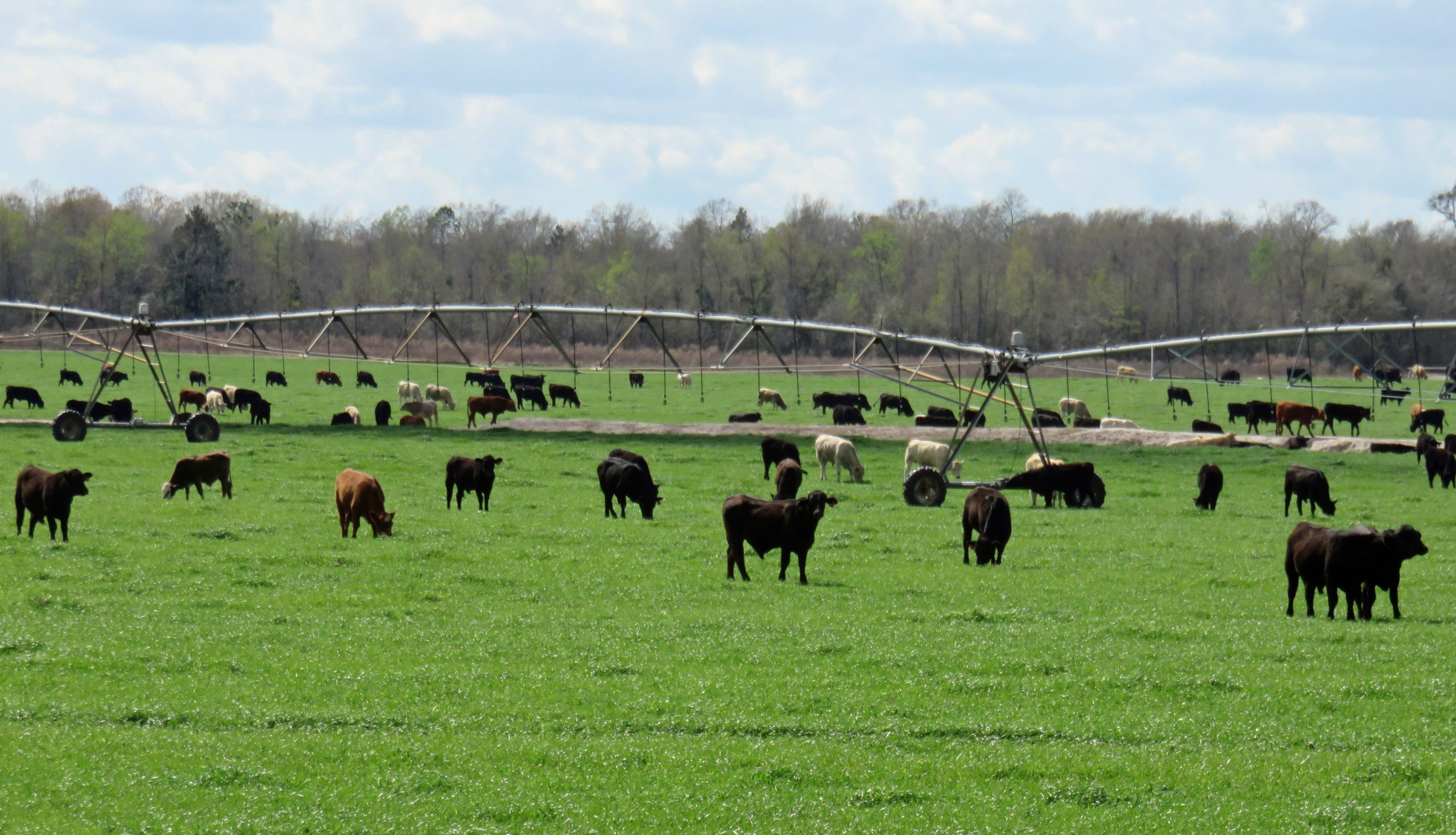
Perhaps the simplest cattle operation is one that adds weight to cattle grazing some type of forage and resells them. Often used terms for these types of operations are stocker or backgrounder, because these ranches add weight to weaned cattle purchased from cow-calf herds before reselling them to feedyards that finish cattle on grain and byproduct-based diets. Just be aware that weaned calves without their mothers to guide them can be frustrating to handle in the beginning, so there is some training required to settle them down and get them used to eating from a trough and being moved around the farm. The nice thing about this type of operation is that these cattle come and go depending on available forage. You can even schedule time off. The real challenge with being a middleman though is that you have limited control over the price paid or received. So, you really must follow the cattle market closely to know how to budget and plan for profitability. Most stocker operations have the goal of 2 lbs./head/day gains or more to make it profitable, but you can’t do that with just Bahiagrass alone. Another option is to add weight to thin cows and resell them, as their nutrient requirements to add weight are lower. With either type of cattle keeping them healthy is the key to success. Death loss must be minimized, so you want to make sure the animals you buy are healthy. Typically, cattle are dewormed and vaccinated right after receiving them to minimize sickness. You need to have a relationship with a veterinarian for antibiotic prescriptions to treat those that do get sick soon after arrival. Generally, once weaned cattle or mature cows get settled in their new environment, herd health becomes easier to manage, but unless the cattle all come from the same ranch, there is a mixing of cattle from different herds, so it is vital to work with your veterinarian to develop a health plan to minimize sickness and death loss.
–
Freezer Beef or Direct to Consumer
There is a percentage of the consumer population that would prefer and pay a premium for locally sourced beef. These consumers also split into preference groups with some preferring the flavor and concept of grassfed, or organic, while most just want to know how the cattle were raised and who raised them. The vast majority of Florida cattle are sold at weaning and shipped to stocker operations and then sold to feedyards in the Midwest. With COVID19 messing up supply chains, freezer beef sales have gained in popularity in the U.S. One of the real issues with finishing your own cattle for local sales can be the limited number of meat processors in the area. So, before you even consider raising finished beef to sell, you should learn more about the processing part of producing freezer beef. There are two types of beef processers, Custom-Exempt who just provide the service for the cattle owner, and USDA Inspected that allows packaging a branded product and even sales of wholesale or retail cuts. So, you can sell the live animal to one or two families and haul them to the processor and let the new owners pay the Custom-Exempt processing fee, or you can own the cattle all the way through and sell the meat however you want. The other key part of this is the feeding to finish. As a general rule, it takes about a ½ inch of fat over the loin to reach the low-choice quality beef grade. This can be done with very high-quality forage or with grain and byproduct feeds, but either way your customers are used to eating beef with marbling, which is the last fat deposited in the muscle. You can’t reach that level of meat quality on perennial tropical grass pastures without feeding some type of high-quality supplemental feed, more nutrient dense legumes, or annual forages. My main point here is that you need to do some research on this type of operation before you start investing in it. Grow off one or two for your own family before trying to market beef to others. When you do, keep track of all of your costs, because pricing setting for customer sales is one of the more complicated challenges with this type of operation. There are no USDA market reports that provide the going rate for freezer beef sold directly to U.S. consumers to guide you.

–
3. Forage Base
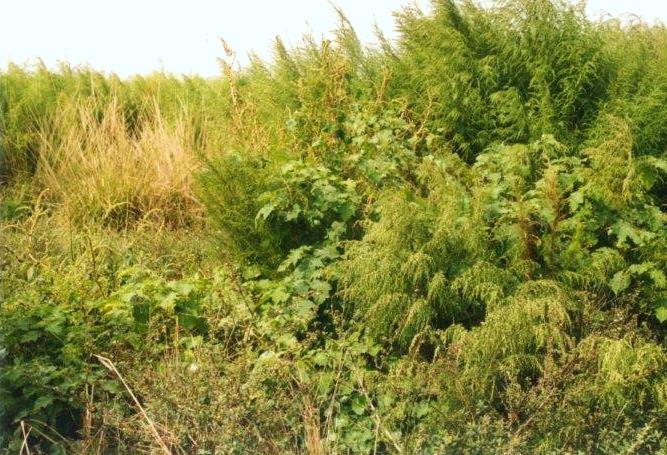
The other key element that I want to discuss in this article is the forage base for your cattle operation. Before you purchase the first cattle, you must develop the forage base to feed the herd most of the year. I will discuss forage and pasture management in another article later, but it is important to state that permanent pasture establishment takes several months to plant and grow mature enough to withstand continuous or even rotational grazing. Don’t rush to buy cattle until you have your pastures are ready to feed them. If you have issues with weeds, especially weedy grasses (centipede or common Bermuda) or old fences, take care of these issues first, and then buy cattle.
–
4. Fences and Facilities
The final topic is the fences and working facilities (cow pens or corrals) required for a cattle operation. The “Florida Fence Law,” that was implemented in 1949, ended free ranging livestock. The law does not specifically require fence building, but instead said, “Every owner of livestock who intentionally, willfully, carelessly, or negligently suffers or permits such livestock to run at large upon or stray upon the public roads of this state shall be liable in damages for all injury and property damage sustained by any person by reason thereof.” Florida Statue 588.15. In essence though, if you raise cattle you have to build or maintain a perimeter fence to keep them on your property. CHAPTER 588 LEGAL FENCES AND LIVESTOCK AT LARGE also has some specific guidelines for what constitutes a legal fence that has been updated through the years and currently reads, “Any fence or enclosure at least 3 feet in height made of barbed or other soft wire consisting of not less than three strands of wire stretched securely on posts, trees, or other supports, standing not more than 20 feet apart; or when using battens, up to 60 feet apart for nonelectric and 150 feet apart for electric, if constructed with high tensile wire in accordance with the manufacturer’s specifications, shall be considered as a legal fence.” The main point here is the if you are going to raise cattle, you have to construct perimeter fencing adequate enough to keep them on your property.
Perimeter fencing is just the beginning point though, as you also need interior fences or what is more commonly referred to as cross-fences. Cross-fences and lanes are how you control grazing of individual paddocks (grazing cells) and are also the way you corral or gather your herd for animal health procedures, transportation to other properties or markets, and getting them into your working facilities or cow pens. The more you subdivide your property the more control you have for grazing management. Fence costs are significant though, so there is a limit to what pays off, but in general terms with Bahiagrass as your base, two paddocks are better than one pasture, and 5 paddocks are better than two. Cross fences can be high tensile electric which are generally cheaper because fewer posts are required and can be as simple as two or three hot wires. Job one for a cattle operation is have forages to graze and fences to keep them at home. Management happens when you have cross-fences to allow control of grazing and rest periods.
If you have enough cowboys on horseback, or your entire herd will follow you wherever you travel with buckets of feed, you may not need fenced lanes and wings, necessarily, but wings and lanes make this process much easier with just a few people driving cattle to the cow pens. The following corral design is a very basic one from the University of Maryland that shows an example of a cow pen designed for 50 head of cattle. This particular design allows entry and exits from two separate pastures and incorporates the curved crowding alley made famous by Temple Grandin, Colorado State University. The main point is that in addition to fencing you also need working pens designed to safely load cattle on trailers and have a chute for vaccinations and sick cattle treatment. you also have to be able to load the cattle back on the trailer to sell or tansport them.

–
The point of this article was not to answer every question you might have, but to get you thinking about essential management decisions and the basic facilities needed to raise cattle. There are several things to consider before you purchase your first cattle or make sweeping changes to an existing operation. Contact your local county extension office to find out who advises livestock producers in your county to discuss this further. Join your local cattlemen’s association and go visit working ranches to gain a better understanding of how they manage their ranches. Cattle ranching can be very enjoyable, but doing it right takes a well thought out plan.
–
Additional information on this subject:
Considerations for Selecting a Bull
Converting the Beef Cow Herd to a Controlled Breeding Season
Bahigrass Management for Florida Pastures
2026 Panhandle Ag Team Cattle & Forage Management Calendar
How Much Meat to Expect from a Beef Carcass
Impact of Grazing Methods on Forage and Cattle Production
University of Maryland Corral Plan 5991
 0
0