By hitching horticulture to health care, we can help heal the world while we feed it.
Doctors alone cannot reverse the astonishing current state of affairs: Globally, we spend more treating diet-related disease than we do producing food.
I don’t see anywhere better suited than Florida, UF and IFAS to lead the response to this challenge right now. Solutions – the fruits that could change health outcomes – grow on trees here. Our scientists see dozens of publications linking broccoli to cancer prevention and zero public investment in breeding better broccoli. So they’re proceeding on their own until funding agencies see it, too.
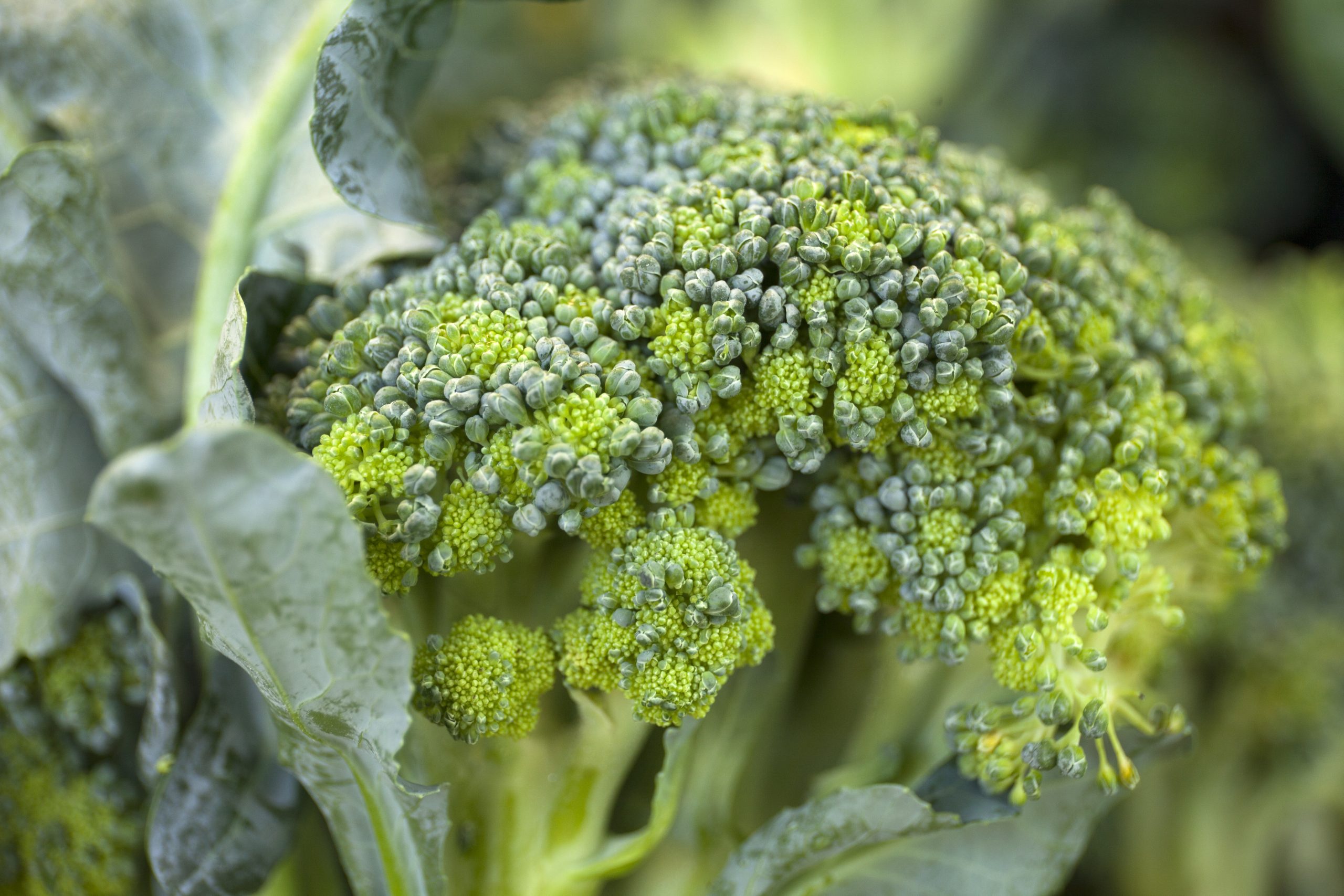
Horticulture, nutrition and medicine together can reduce diabetes, heart disease and obesity. UF/IFAS has highly recognized expertise in horticulture and nutrition and an outstanding medical center just down the hill.
This proximity is unusual even among land-grant universities. It creates opportunities for our dietetic interns, for example, who do impactful work in UF Health clinics improving health outcomes.
Food is Medicine
Connecting what we grow and eat to disease prevention and treatment is the core of UF’s Food is Medicine (FiM) Initiative, and we’re kicking off collaborative efforts with a seed grant program called PLANTMED (Projects Linking Agriculture, Nutrition, and Therapeutic Medicine for Every Diet). We’re forging an ag-med collaboration to turn potential into action.
The PLANTMED program has prompted some 200 faculty members from all corners of campus to self-identify as working on FiM topics and join forces on collaborative projects.
We recently announced our first PLANTMED seed grant awards to get them started.
UF leadership
And we have a physician and campus leader, Interim President Don Landry, who has gone to Washington to add UF’s voice to the federal interest in FiM.
He even has a starting point to bridge the divide between food and medicine: nutrition education for medical students. Aspiring doctors currently receive little to no instruction in the potential of using meals as tools for treatment.
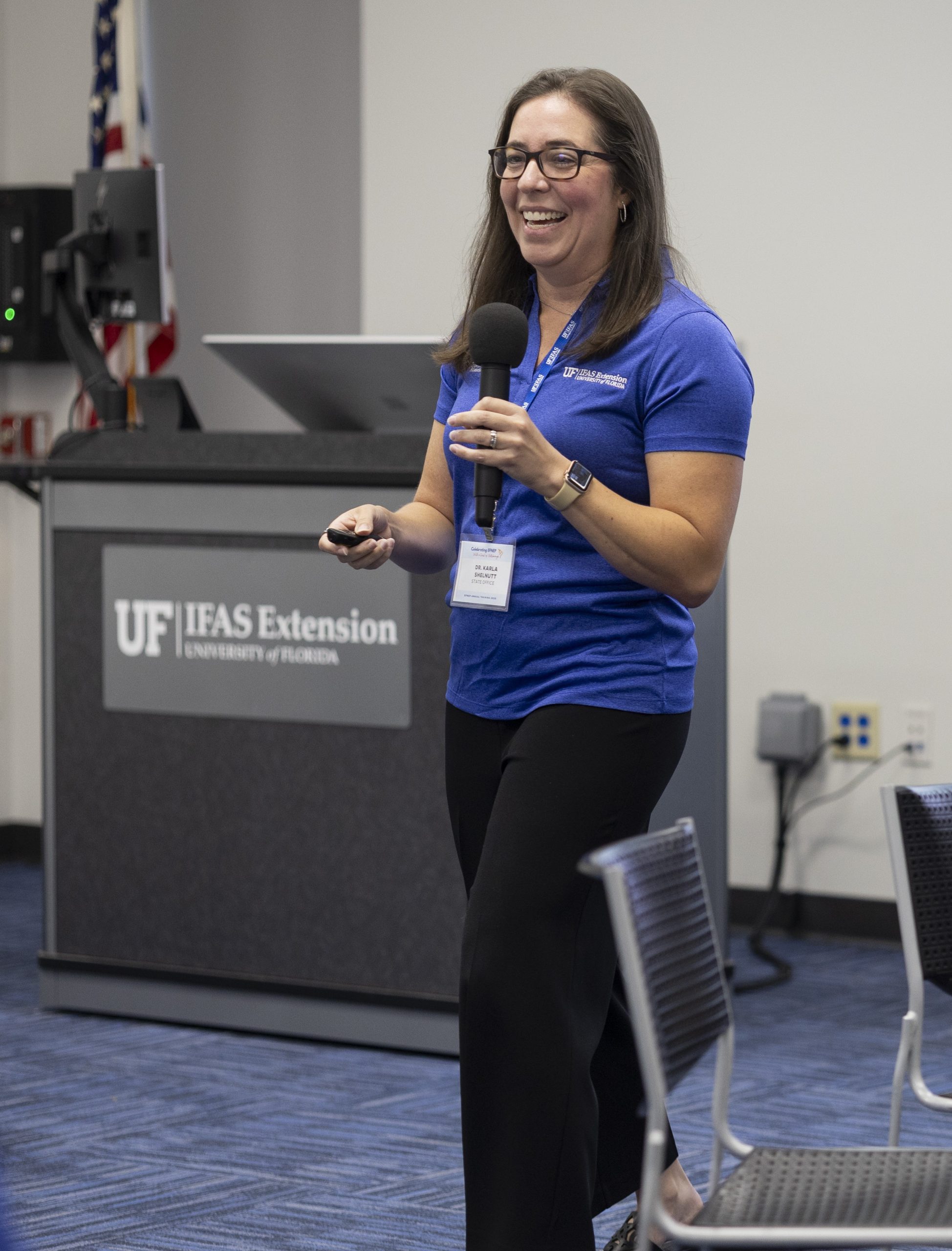
The success of FiM will also depend on community-based interventions. No one does that like UF/IFAS Extension. That’s why I’ve put Dr. Karla Shelnutt, associate dean for Extension Engagement, in charge of catalyzing campus forces around this effort.
Last summer, a landmark journal article by the late Andrew Hanson of our Department of Horticultural Sciences – with co-authors across UF/IFAS and UFHealth – laid down the challenge to bring horticulture into health care conversations.
Putting the food in FiM
Only 1 in 10 adults eats the recommended amount of fruits and vegetables. If the other 9 were suddenly to eat “healthy,” there would not be enough produce at stores to meet their needs. In fact, we’d need to double production. Few have the century of science in boosting yields that UF/IFAS has to help achieve this. There is no Food is Medicine without the food.
The changing federal funding landscape for agricultural research has to this point been disruptive, but in the end may offer new opportunities, maybe even in FiM.
Like the broccoli breeders, we’re not waiting, we’re leading. With the announcement of the seed-funded projects, FiM will be one of the most exciting opportunities of 2026 and the years to come.
 0
0