
Welcome to the summer rainy season in Hardee County! Geographically, your home sits on a unique blend environmental zones with a diverse subtropical weather puzzle —hot, humid summers
with frequent thunderstorms punctuated by dry spells and occasional droughts. Deep sandy soils in the tops of hills followed by areas of swamp. These challenging facts of life are sometimes difficult to navigate by home gardeners and farmers managing vegetable gardens, landscapes, crops and forages.
First, we need to recognize that extreme summer heat and inconsistent rainfall can push plants past their limits. The good news is that we can do something about it! Armed with a basic understanding of how plants function, residents can support their landscapes and crops with confidence. Let us dive into this complex topic.
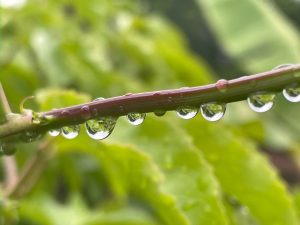
Water brings life
At the center of plant survival is water. It is essential for every part of a plant’s life—from photosynthesis to nutrient movement and cell structure. During dry conditions, many plants will close their stomata (tiny pores on the underside of leaves) to conserve water. While this helps prevent dehydration, it also slows growth and reduces food production in the plant. UF/IFAS recommends precise irrigation practices, such as early morning watering and drip systems, to ensure water reaches roots efficiently without waste (UF/IFAS BMP Program).
This balance becomes more important during drought, when water must be used carefully but effectively. Monitoring moisture levels in the soil is a simple and powerful step toward achieving this balance. Remember, if you want a green landscape, water is key.
Nutrients fuel plant growth, but can be complicated
While water allows plants to function, nutrients are the building blocks that allow them to grow and resist stress. The three primary macronutrients—nitrogen (N), phosphorus (P), and potassium (K)—each support different parts of plant development. Nitrogen encourages green, leafy growth; phosphorus is critical for healthy root systems; and potassium strengthens plants’ natural defenses and improves drought resistance.
Without adequate nutrients, especially during periods of environmental stress, plants weaken quickly. Over-fertilizing, on the other hand, can harm both plants and the environment. For this reason, UF/IFAS encourages routine soil testing to tailor fertilization to what your soil actually needs. You can swing by our office for more information on this.
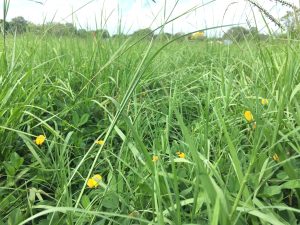
The hidden importance of secondary nutrients
Beyond the well-known NPK trio, plants also depend on secondary nutrients like calcium, magnesium, and sulfur, as well as micronutrients such as iron, boron, and manganese. These elements, though needed in smaller amounts, play critical roles. For instance, magnesium is a key part of chlorophyll, while calcium strengthens cell walls and improves water movement within the plant. Micronutrient imbalances, particularly iron deficiencies, are common in Florida’s alkaline soils. In our area, it is typical that our Flatwoods soil pH hovers on the slight acidic range of 4.5-5.5. This reflects on the plant, and you will see yellowing leaves with green veins and necrotic (dead) leaf edges.
Keeping soil pH in the ideal range (generally 5.5 to 7.0, depending on the plant and crop) helps ensure that all nutrients—major and minor—are available to plants. Again, soil testing provides valuable insights into whether lime or specific supplements are needed.
Select plants that can take the heat
Even with ideal watering and nutrition, not all plants are suited to Florida’s climate. Many non-native or weak cultivars (varieties bred for different climatic areas) simply can’t cope with the intense heat and sporadic rainfall. Choosing plants bred for Florida—especially those researched and recommended by UF/IFAS—can improve resilience and reduce maintenance needs. Turfgrasses like ‘Floratam’ St. Augustinegrass and forages like good-old ‘UF-Riata’ Bahiagrass are prime examples of drought-tolerant options developed for Florida growers and homeowners.
When existing plants are struggling despite proper care, replacing them may be the best long-term solution. Planting new, stronger varieties at the start of the rainy season gives them the best chance to establish healthy root systems before the next dry spell.
Here are some action items to consider when managing your plants:
To help local residents prepare for and recover from Florida’s summer droughts, here are practical steps you can take—backed by UF/IFAS research and tailored to our region:
- Monitor Soil Moisture: Use a simple soil moisture probe or dig 2–3 inches into the soil. If it’s dry at that depth, it’s time to water. Water early in the day to limit evaporation.
- Test Your Soil Regularly: Every 1–2 years, conduct a soil test through UF/IFAS Hardee County Extension. This helps you apply only the nutrients your soil actually needs.
- Balance Your Nutrients and pH: Use test results to guide the addition of lime, compost, or fertilizers. Aim for a pH between 5.5 and 7.0 to keep nutrients available to plants.
- Use UF-Recommended Plant Cultivars: Choose heat- and drought-tolerant varieties developed for Florida. Look for “Florida-Friendly Landscaping™” labels or consult with Extension agents.
- Replace Weak Plants Proactively: If a plant isn’t thriving even after care adjustments, remove and replace it with a stronger cultivar during the rainy season for best results.
By combining water awareness, nutrient management, and smart plant selection, Hardee County residents can protect their landscapes, gardens, and crops from the harsh effects of summer drought. The science is available, and the tools are within reach. For local soil tests, plant recommendations, and expert advice, visit the UF/IFAS Hardee County Extension or call (863) 773‑2164. A thriving Florida yard or field is possible—even through the heat.
Keep learning:
AE354/AE354: Automatic Irrigation Based on Soil Moisture for Vegetable Crops
FFL Guide to Plant Selection and Landscape Design
 0
0