This blog is authored by Dorothy Mwachiro, GFSI project manager.

The Precision Livestock Farming (PLF) project continues to make significant strides in transforming livestock farming for smallholder farmers in Tanzania. Through cutting-edge technologies and collaborative research, the project is delivering tangible benefits and laying the foundation for long-term sustainability by adopting precision livestock farming practices. At the heart of the project is Prof. Gabriel Shirima, Dr. Gladness Mwanga, and Dr. Issakwisa Ngondya from the Nelson Mandela African Institution of Science and Technology (NM-AIST), University of Florida’s implementing partner.
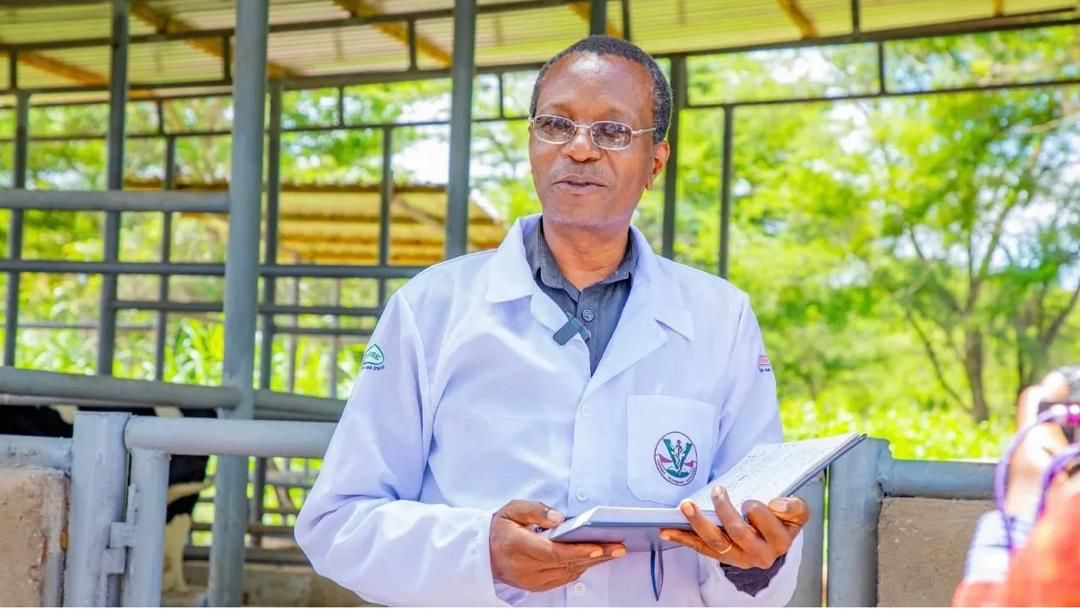
Professor Shirima, the lead principal investigator, has been instrumental in advancing the project, with a particular focus on developing the Knowledge Hub. The Hub’s main infrastructure, including a fully functional shed, biogas system, offices, hay barn, and pasture plots, is now operational. The Hub is poised to become a regional demonstration center for sustainable and innovative livestock solutions.

Dr. Gladness Mwanga, a postdoctoral associate researcher at NM-AIST, is leading efforts to develop a base parameter model that simulates the complex interactions between plants, soil, and grazing animals. To better understand pastoralist dynamics, the team has created simplified test models tailored to the Tanzania landscape. These models will soon be scaled to include simulations across a broader range of households, providing insights that could inform the development of grazing strategies and land-use planning. She also plays a key role in the deployment and data integration of two innovations: the SmaXtec rumen boluses and the Ceres tags, including the data analysis and feedback sessions to the farmers to enhance decision-making and promote technology adoption on the ground.
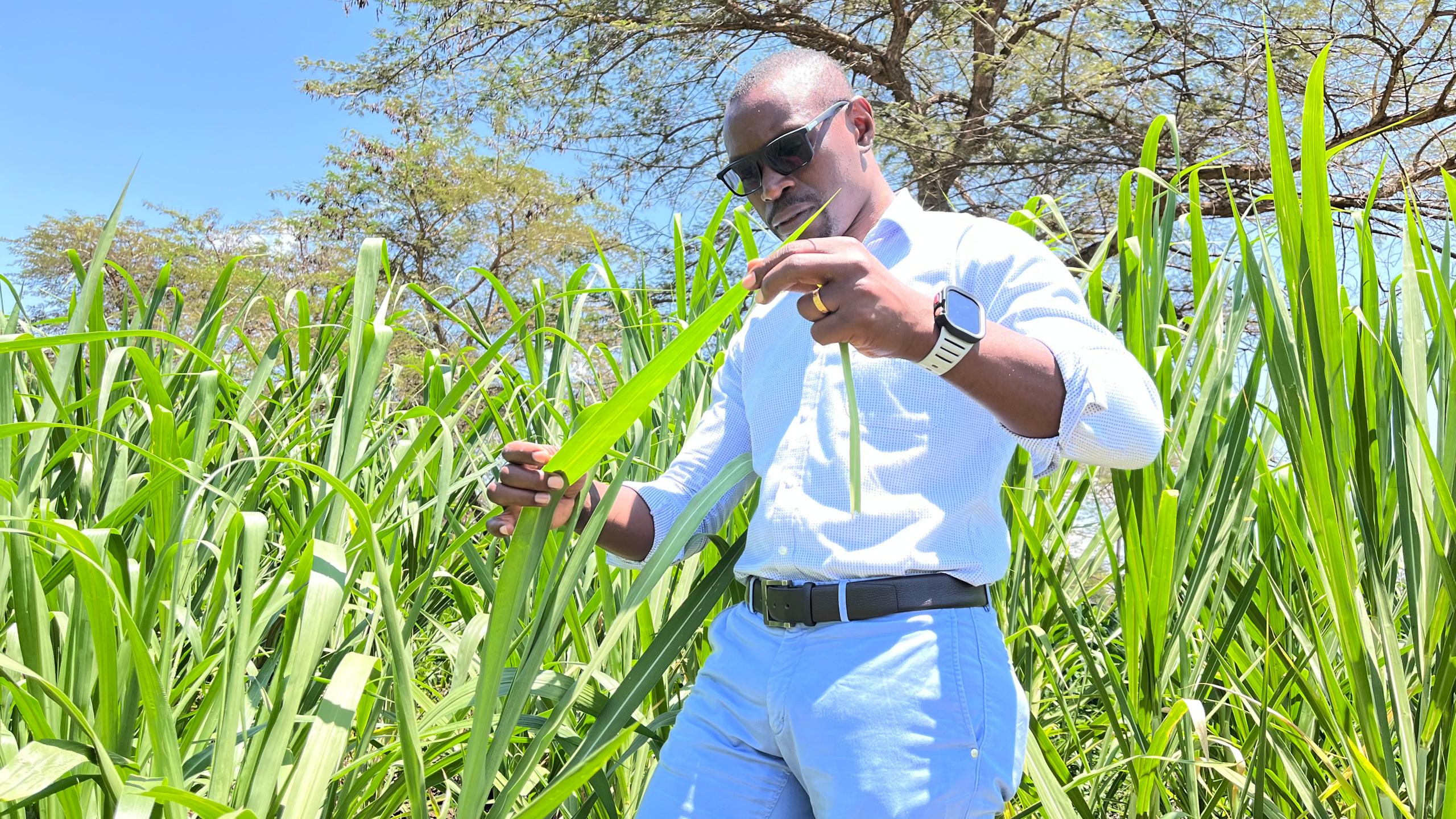
Dr. Issakwisa Ngondya, a senior lecturer and plant restoration ecologist, is another key researcher from NM-AIST. Dr. Ngondya works closely with farmers to identify the most suitable forage species in local grazing lands. His goal is to identify vegetation that is palatable, water-rich, and drought-tolerant – critical traits for ensuring reliable feed sources in changing climatic conditions. The information from his work will help guide grazing land restoration decisions to increase pasture availability. It also highlights areas where restoration or reseeding might be needed to strengthen seed banks and boost pasture resilience.
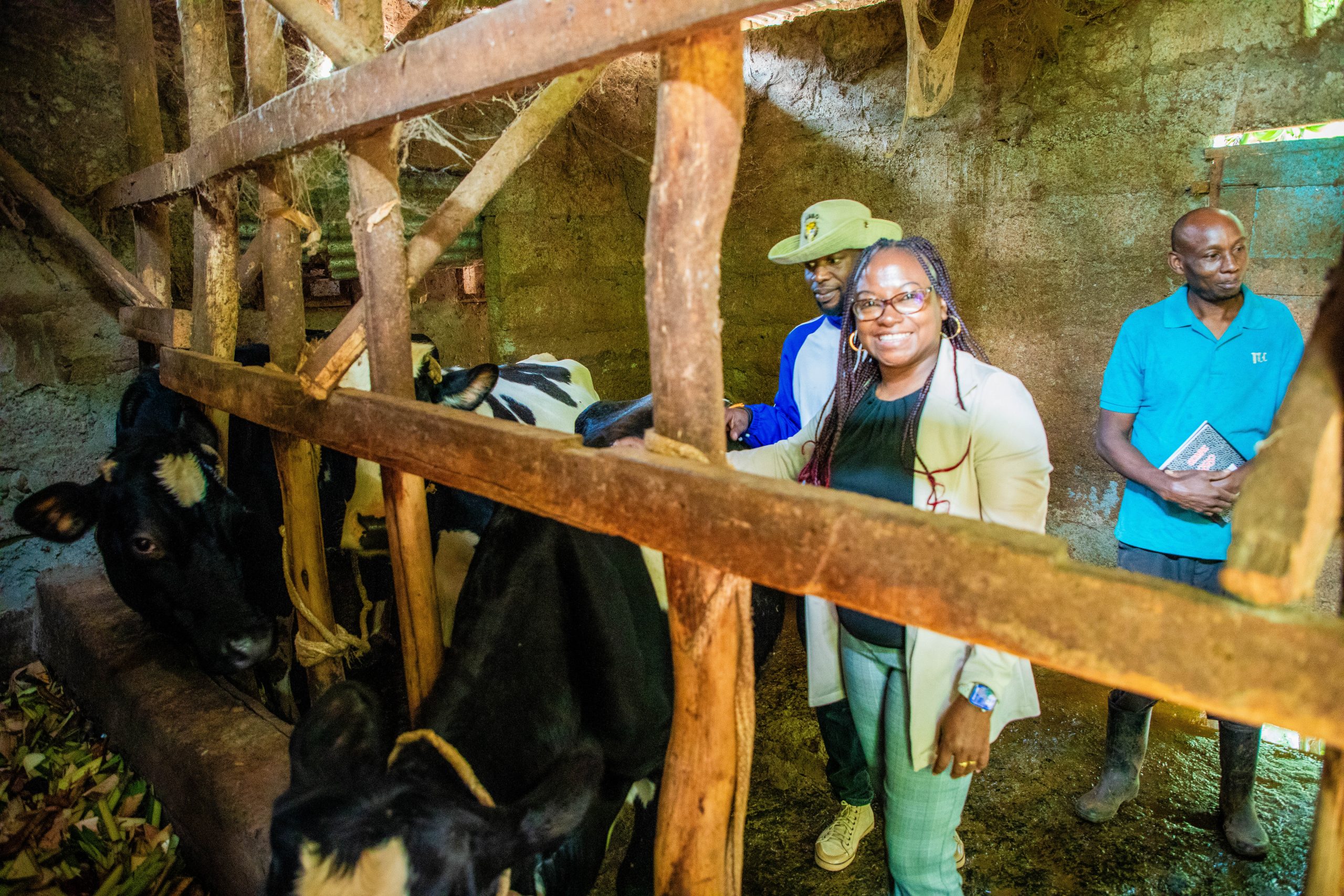
This update is brought to you by Dorothy Mwachiro, GFSI project manager, who is pictured here during her recent visit to the region. Her most memorable moment was engaging directly with farmers, hearing their questions, concerns, and excitement about the technologies being introduced. These conversations underscore the importance of stakeholder engagement and the value of collaborative research that listens to and learns from the communities it serves.
Stay tuned for more updates as the PLF project continues to innovate, collaborate, and empower farmers in Tanzania.
 2
2