WASHINGTON, D.C. — The Gulf Research Program (GRP) of the National Academies of Sciences, Engineering, and Medicine announced on Dec. 5 its 2025-2027 cohort of Early-Career Research Fellows in the environmental protection and stewardship and education research tracks.
“Our Early-Career Research Fellows are leading the way in applying science for the public good,” said Karena Mothershed, director of GRP’s Board on Gulf Education and Engagement. “Whether advancing nature-based solutions to strengthen ecosystems and community resilience or reimagining STEM education to foster a deeper sense of place, these fellows are applying their expertise to real-world challenges to create a bright future for the Gulf region.”
University of Florida Assistant Professor/State Extension Specialist Anna Braswell, Ph.D., is one of eight fellows joining the environmental protection and stewardship track. They will be working toward advancing scientific knowledge in the design, implementation, and evaluation of nature-based solutions that enhance ecosystem health and community resilience to extreme weather in the Gulf region.
Assistant Professor of Environmental Education Yue Li, Ph.D., one of five fellows who join the education research track will be working to advance STEM and environmental education in the Gulf region or Alaska by considering the impacts of establishing sense of place in formal or informal learning environments.
The Early-Career Research Fellowship helps researchers during the critical pre-tenure phase of their careers. Fellows receive a $76,000 financial award along with mentoring support to provide them with independence, flexibility, and a built-in support network as they take risks on untested research ideas, pursue unique collaborations, and build a network of colleagues.
The 2025 fellows for the environmental protection and stewardship track are:
- Anna E. Braswell
University of Florida - Keisha Bahr
Texas A&M University-Corpus Christi - Michelle Hummel
University of Texas at Arlington - Andrew Moodie
Texas A&M University - Jeffrey Plumlee
Louisiana State University - Jeannine Richards
Florida Gulf Coast University - Elizabeth Robinson
Louisiana Sea Grant - Zutao Yang
Auburn University
The 2025 fellows joining the education research track are:
- Yue Li
University of Florida - Alyson (Aly) Busse
Mote Marine Laboratory - Emma Elliott
University of Washington - Yusuf Sermet
Tulane University - Vanessa van Heerden
Louisiana Sea Grant
Li and Braswell both work for UF’s Institute of Food and Agricultural Sciences (UF/IFAS) in the School of Forest, Fisheries, and Geomatics Sciences (FFGS).
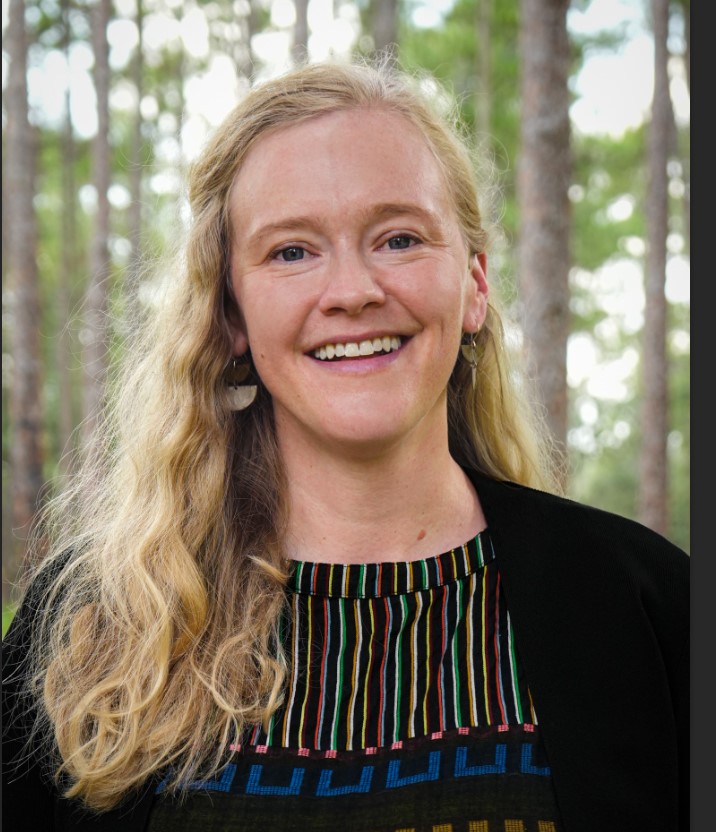
“I am honored to receive this award and very energized to start to understand how small living shorelines help protect Florida’s Gulf Coast from erosion,” Braswell said. “This award will be integral in expanding my lab’s work on this subject and will produce research that helps inform coastal homeowners’ decisions around their shoreline.”
Braswell’s award will be used to fund research that answers a fundamentally applied question for coastal homeowners and Florida Sea Grant agents: How do small natural and living shorelines protect coastal shorelines from storm waves and erosion? This question is driven by Florida Sea Grant agents who are trying to promote living shorelines on privately owned shorelines, yet don’t have the data on small, living shoreline projects to support their projects. The grant will be used to hire a graduate student, fund travel to field sites, and buy field supplies.
Li plans to examine the effects of participating in the Community Action Projects for the Environment (CAPE) on youths’ self-efficacy, civic engagement, and sense of place.
“I will also explore how AI can support environmental educators in developing and implementing place-based programs that engage youth in environmental action to strengthen community resilience, particularly in the Gulf region,” she said.
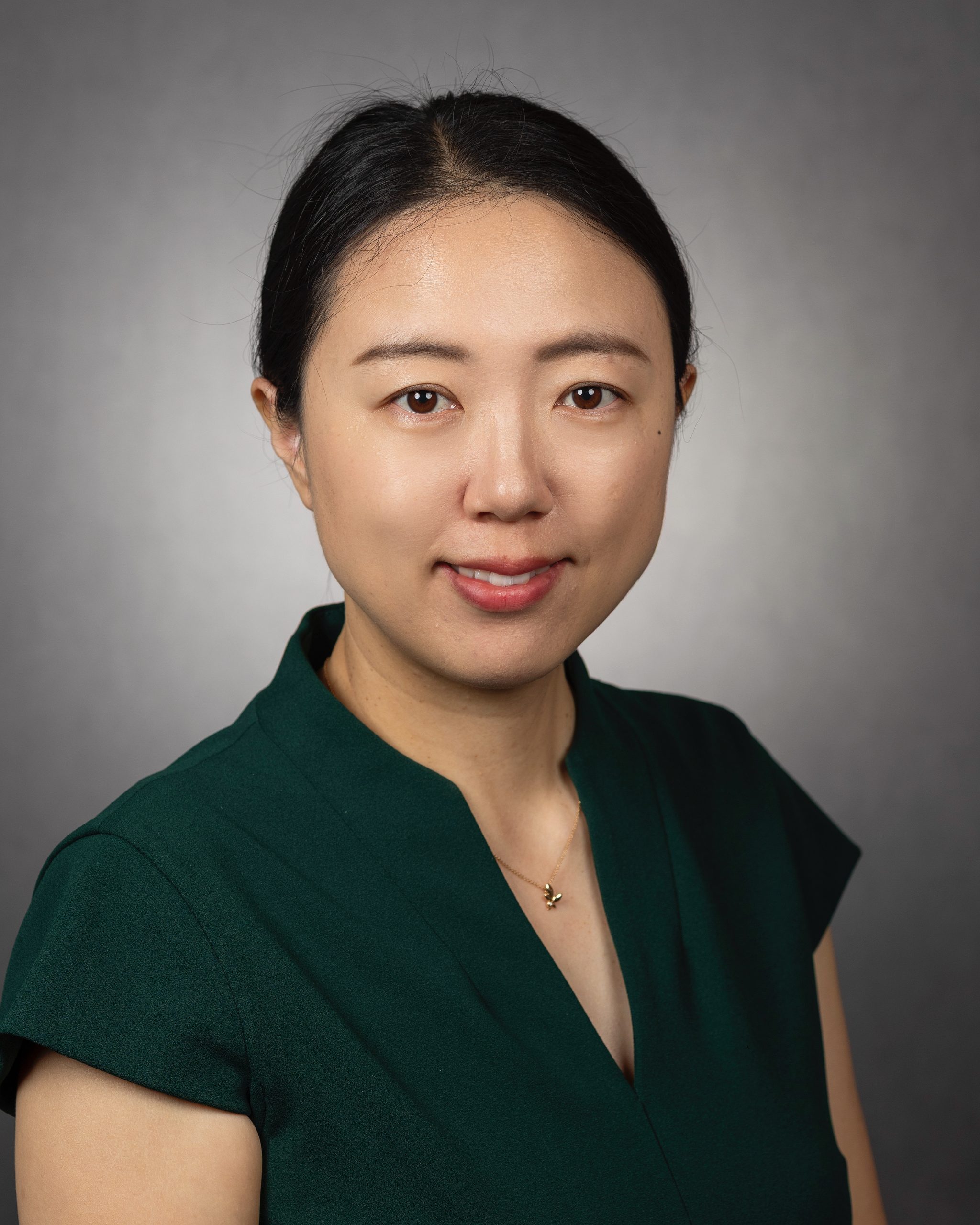
“I am grateful for this award, which enables me to launch innovative research projects and expand my lab’s capacity while supporting my continued professional growth.”
The National Academies’ Gulf Research Program is an independent, science-based program founded in 2013 as part of legal settlements with the companies involved in the 2010 Deepwater Horizon disaster. The GRP’s mission is to develop, translate, and apply science to enhance the safety of offshore energy, the environment, and the well-being of the people of the Gulf region for generations to come. It supports innovative science, guides data design and monitoring, and builds and sustains networks to generate long-term benefits for the Gulf region and the nation.
The National Academies of Sciences, Engineering, and Medicine are private, nonprofit institutions that provide independent, objective analysis and advice to the nation to solve complex problems and inform public policy decisions related to science, engineering, and medicine. The National Academies operate under an 1863 congressional charter to the National Academy of Sciences, signed by President Lincoln.
 0
0