Dealing with heat in the urban forest
Urban heat is a common issue faced by residents of both dense metropolitan areas and suburban developments. But did you know trees have several ways they can help us beat the heat? In this post, we’ll (1) explain what makes cities feel so warm, (2) show how trees can be useful tools in making our streets more comfortable, and (3) give you some concrete ways to incorporate and advocate for more tree canopy in your community.
The urban heat island
Research shows that in communities with limited vegetation, surface temperatures on buildings and pavements can be 18-38°F higher than the surrounding air temperature. The air temperature in cities can also be higher overall. More developed areas with more pavements and buildings tend to be hotter than less developed areas surrounding them. Why does this happen? Built areas like streets, sidewalks, and buildings absorb the sun’s energy and store it, maintaining a hotter temperature. In cities, certain processes like running car engines and air conditioning units can also contribute to the ambient heat. This heat-trapping phenomenon observed in cities and communities is called the urban heat island effect.
How trees beat the heat
But wait, don’t leaves and grass absorb sunlight too? Yes. But trees and plants have a faster way of releasing that heat using a process called transpiration or evapotranspiration. In trees, transpiration involves several parts. Moisture is pulled from the soil through the roots, up through the trunk and branches, and evaporated out through the leaves. As water travels up through the tree, it exits the plant through pores in the leaves as water vapor. This process functions a lot like sweating. Through this process, trees can cool down and transport water and nutrients to different parts.
UF/IFAS Extension Agents Shannon Carnevale (Polk County) and Lara Milligan (Pinellas County) explain more about transpiration and the urban heat island effect in a previous episode of their podcast, Naturally Florida.
You may notice this process yourself. With bare feet, try standing on a sidewalk in full sun, then step onto grass—you’ll likely find the grass feels cooler than the sidewalk. Trees can also provide valuable shade for built environments. You can test this too. Compare the sensation of temperature on your feet from shaded and unshaded sidewalks; shaded areas will likely feel cooler than those in full sun. As we design our cities and neighborhoods, it is helpful to ask, “How might different surface covers affect surface temperatures?”.
Shade from trees can go a long way in cooling a neighborhood
One of the defining characteristics that differentiates urban and rural spaces is the amount of vegetation you’ll see. Rural spaces may include grasslands, pastures, farms and crops, natural wooded areas, and forests. As you get closer to city centers, development increases in density, and there are more paved surfaces, buildings, and impermeable surfaces. Impermeable surfaces, like asphalt and concrete, prevent water from infiltrating into the ground.
When we design our developments to include more planting spaces for trees and other vegetation, we increase the amount of permeable surfaces in our cities. The permeable surfaces are any spaces where water can be absorbed into the ground through the soil. Including more trees and green spaces (like parks, street trees, and other vegetation) in communities supports community goals to reduce urban heat.
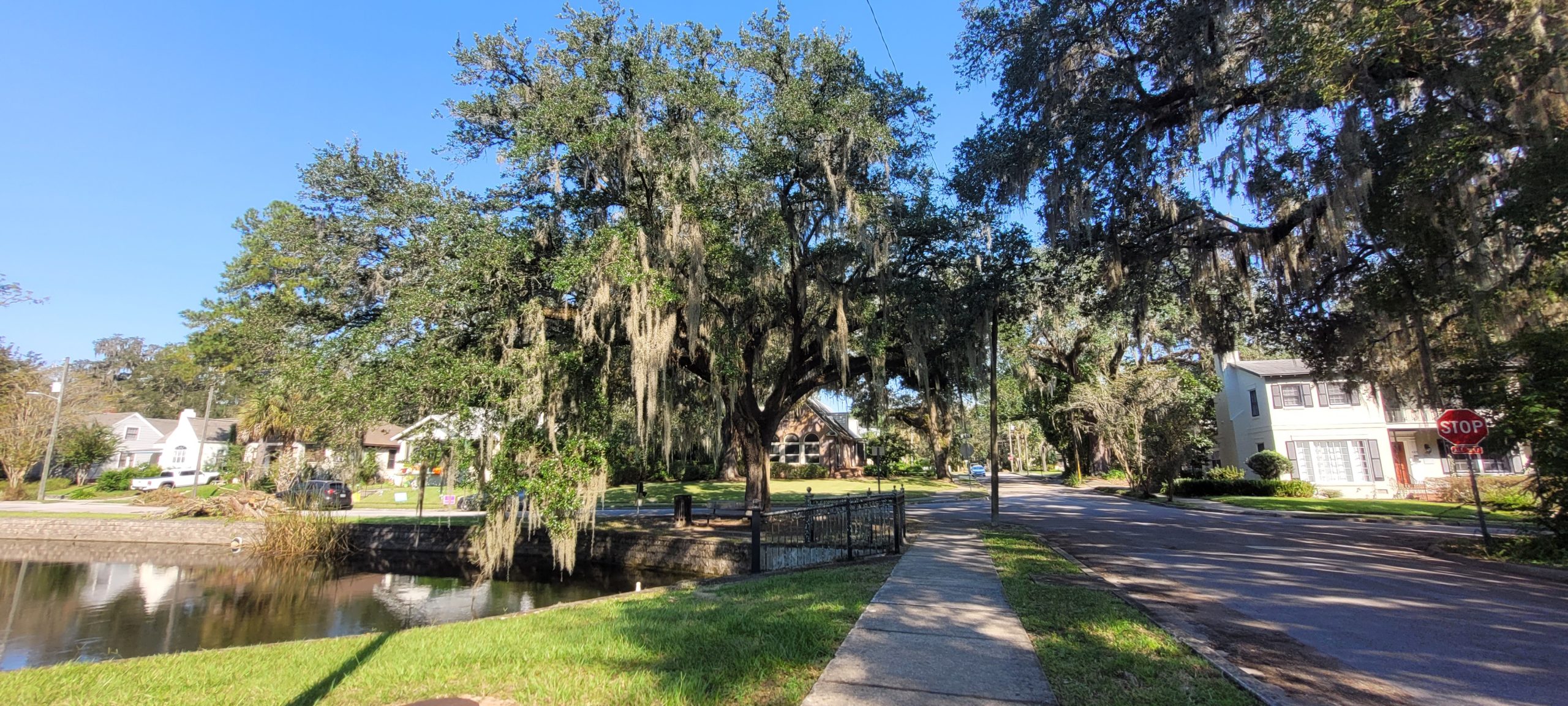
If you remember the sidewalk test from above, the shaded sidewalk likely felt cooler on your feet than the sidewalk in full sun. Strategically thinking about where shade from trees will fall can help maximize cooling effects. Planting trees on the west side of buildings helps shade them during the hottest part of the day. Incorporating more trees helps to create shade and release heat through transpiration processes.
Bring on the trees!
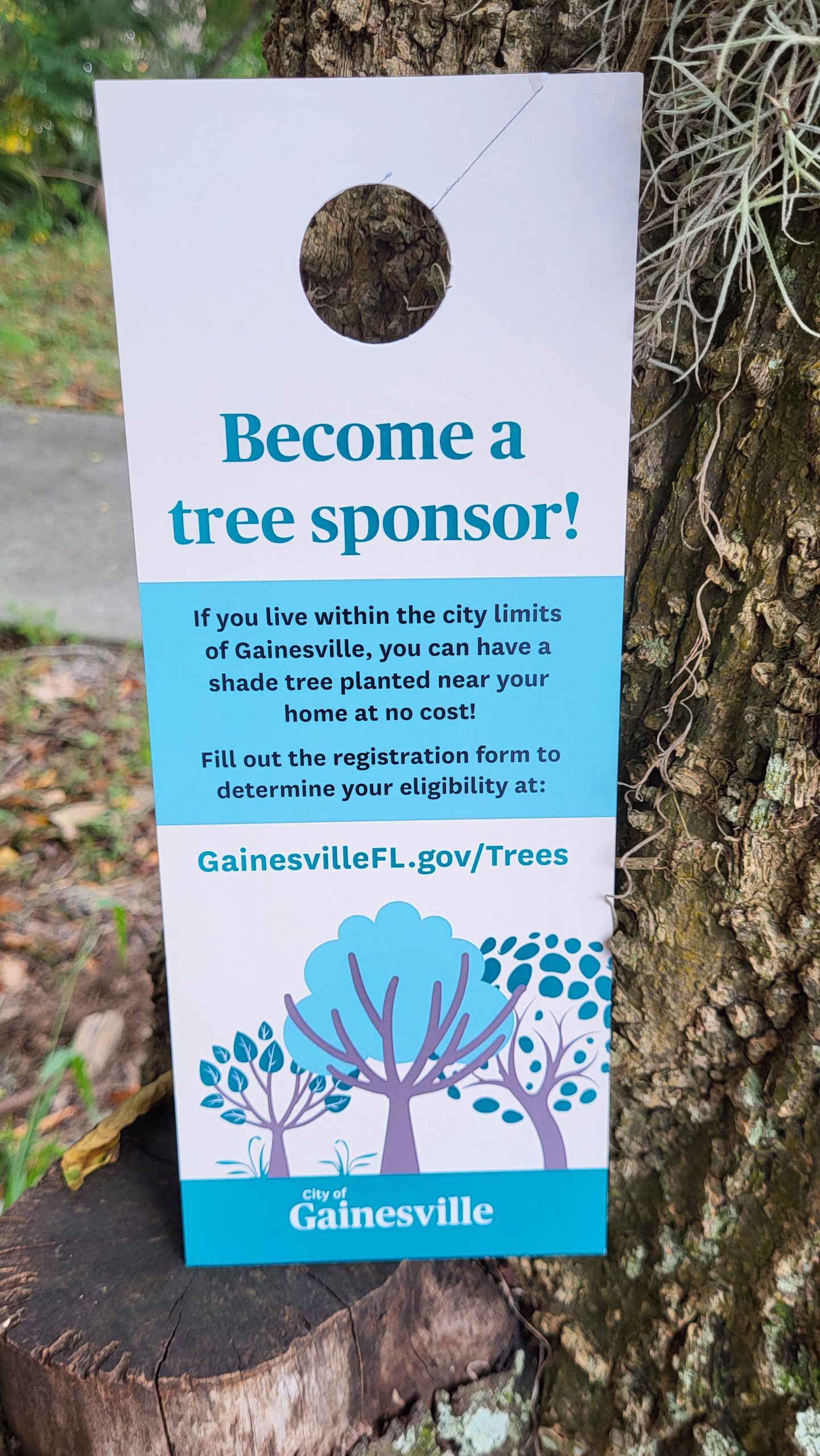
What can be done to advocate for or support community-level action and increase the number of trees in our communities?
Planting more trees can directly result in more shade and cooling benefits. But it is also important to consider where trees are planted in our communities to support cooling everywhere it is needed. You can advocate for creating “cool corridors” by planting trees where people bike or walk, which can support transportation needs by ensuring people’s ability to move around the city in shaded, comfortable, green pathways. A cool corridor might be a pedestrian walkway to a local school, including plenty of tree shade to reduce the temperatures felt by commuting students.
If planting trees is a challenge for you, you can seek out tree sponsorship programs in your community. Some communities have programs in place that facilitate planting new or replacement trees. Tree sponsorship programs vary from community to community, so it is important to check with your local government resources. Your local county extension agent may be able to help you find a program to suit your needs. If your community lacks a tree sponsorship program, you can show that you would support the addition of a sponsorship program and other urban forestry initiatives to increase canopy cover. Local meetings are great places to talk to others about the cooling benefits of trees and highlight to your local government that you would support more trees and the maintenance of healthier trees in neighborhoods across your community.
In a nutshell (to summarize)
There are many ways to champion tree-planting and support maximizing the cooling effects of trees in cities:
- Plant more trees (each additional canopy tacks on more shade, cooling everything below)
- Install and talk to others about cool corridors (plan and design pedestrian pathways with the inclusion of mature, shade-producing trees on the way to schools or public places)
- Explore tree sponsorship programs (if this is offered in your community, it can help add more tree cover where you need it; if it isn’t offered, talk to others about how to get one started where you live)
- Talk to local leaders (advocate for adding and maintaining trees to maximize cooling benefits)
- Work with your county Extension agent to find resources and organize within your local community (Remember, Extension is for all communities, including those in urban areas)
Trees’ natural processes support cooler, more comfortable human communities. We can all participate in maintaining a healthy urban forest by learning about available resources for planting trees and by advocating for more trees and proper tree care. To learn more about urban trees and their role in our urban forest, subscribe to the UF/IFAS Urban Forestry Extension Council Newsletter.
The UF/IFAS Urban Forestry Extension Council creates new educational resources to support urban forestry in Florida. Check out our website for events, blog posts, and more.
 2
2