We traditionally have a bit of a spring drought in Northeast Florida, but this year has been a record.
According to News4Jax it is the driest it has been since the 1800’s!
So, what does the mean for our landscape management. Well, first we need to consider the law and our watering restrictions. This is set by the St. Johns River Water Management District’s watering restrictions, that are designed to ensure the efficient use of water for landscape irrigation. The restrictions allow enough water to maintain healthy landscapes year-round. The mandatory restrictions specify the time when watering may occur, the amount of water that may be applied, and the days when watering may occur.
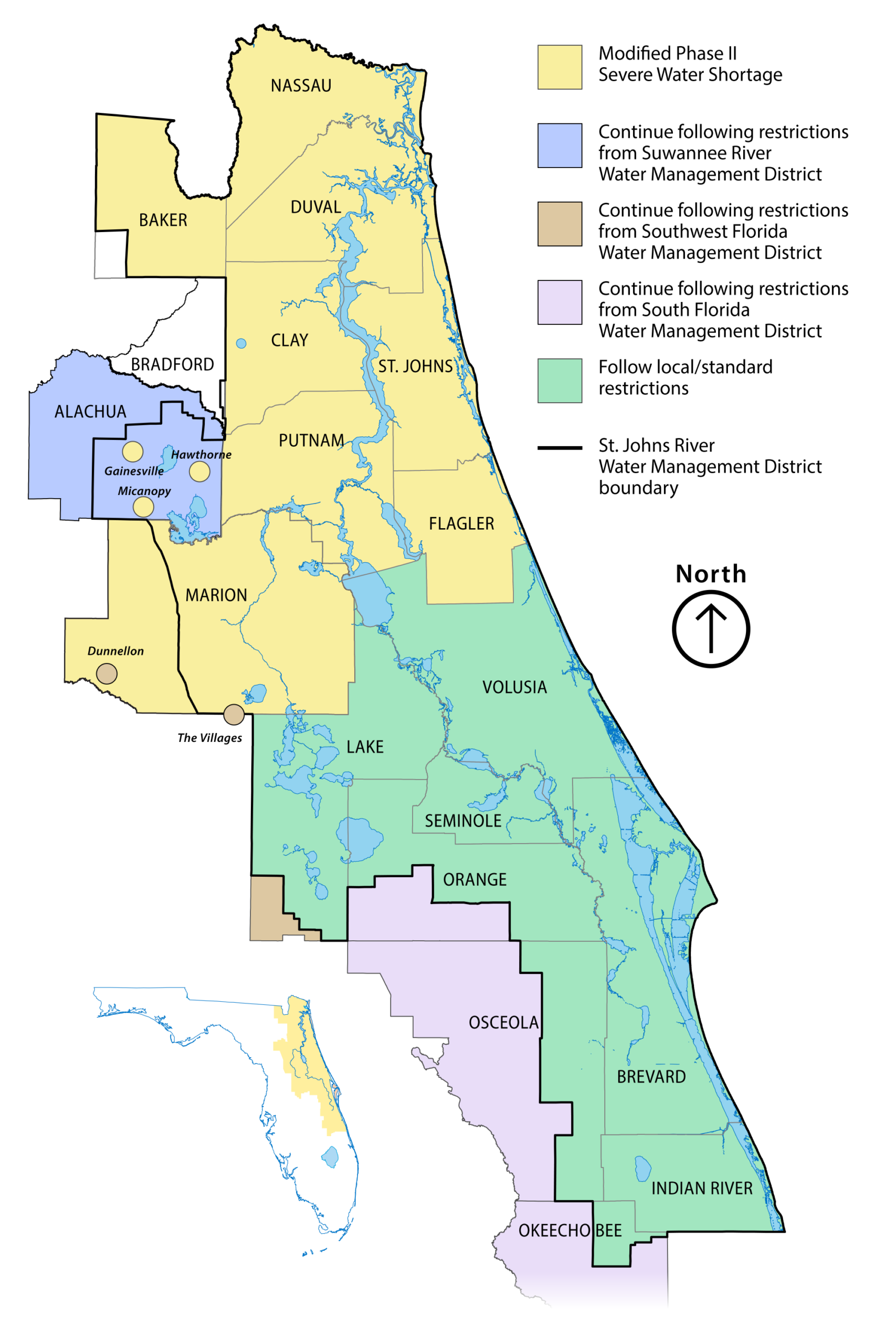
Right now we are in a Phase II Severe Water Shortage. Here is some information from the St. Johns River Water Management District:
District Water Use Advisory | Phase II Severe Water Shortage
A Phase II Severe Water Shortage has been declared due to ongoing dry conditions across portions of the District. Below-average rainfall, declining groundwater levels, and reduced river flows are contributing to water resource stress.
Water shortage declarations are temporary measures used to help protect water resources during extended dry periods. Conditions are monitored regularly, and additional restrictions may be implemented if conditions worsen.
Water Shortage Map Showing Water Districts and Phases of Restriction
What a Phase II Water Shortage Means:
- Landscape irrigation is limited to one day a week.
- All water users, including domestic, utility, and commercial, are encouraged to voluntarily reduce water use.
- Wasteful and unnecessary water use is prohibited.
- Residents, businesses, and property managers are encouraged to proactively plan for extended dry conditions and the potential for additional restrictions.
So, what does this mean for our landscape?
- If you haven’t already, wait to fertilize until rainfall resumes. There is no sense in pushing grass for growth when it does not have one of the essential ingredients, water!
- If you already applied a high nitrogen dose for spring green up, apply potassium in equal amounts following label directions to reduce stress. Additionally if there are iron deficiency symptoms address those via foliar iron. Here is more information on the best iron sources by research.
- Mow at the highest setting for your turfgrass type and mow in the coolest part of the day (right after the dew dries in the morning). Would be best if you can mow the day before your irrigation system is supposed to run to reduce stress from mowing.
- Ensure irrigation systems are functioning properly, there are no broken or misdirected heads, no lapses in coverage etc.
- Be prepared to inspect for Chinch bug activity after rain resumes. They love pulsing drought conditions because the plants push sugars through their tissues when rain resumes.
Be prepared for the future.
In South Florida where water demands are even higher due to population growth and restrictions are even tighter. This trend is likely to continue north due to the growth of the state. If plants die, replace them with more drought tolerant plants as possible that can be found here: Florida Friendly Landscaping Plant Guide™. Follow your local ordinances. Keep in mind the importance of site conditions, preparation, soil amendments, planting and mulching for the future success of your plants. Please see this other blog I wrote for more on turfgrass management: IFAS Blogs Your Lawn, Your Role. I also recommend taking a look at the “ST. JOHNS RIVER WATER MANAGEMENT DISTRICT CHAPTER 40C-21, F.A.C.:THE WATER SHORTAGE PLAN” to educate yourself on future potential restrictions should things worsen.
 6
6