Springtime Pasture Scouting
Spring in Florida: the air is thick with humidity, the days are getting longer, and your pastures are returning to life. And with all of that comes some unwelcome guests – weeds.
As temperatures rise and rainfall becomes more frequent, springtime creates the perfect storm for weed germination and rapid growth. Ignoring these intruders can lead to reduced forage quality, decreased grazing capacity, and even toxicity for your livestock.
Scouting pastures is the foundation of a sound weed management program, but is often overlooked. Scouting involves routinely walking or driving through pastures and identifying weeds. The number of weeds, the species present, and the locations are essential. Scout pastures for weeds in conjunction with other activities, such as checking calves, working cattle, and feeding.
There are many reasons why spring scouting is essential. Warm temperatures and moisture conditions allow many aggressive Florida weeds to emerge and establish themselves quickly. Identifying weeds early allows for targeted control measures before they become widespread and compete with your forage. Early identification will enable you to take steps to remove them and protect your animals. Several Florida weeds are poisonous to livestock. Toxic plants (e.g., Crotalaria, black nightshade, spiny pigweed, lantana, etc.) are commonly found throughout Florida. Animals do not usually choose to graze most poisonous plants when forage is abundant; however, when quality forage is limited because of poor growing conditions or overstocking, they may graze these plants. Early identification allows you to take steps to remove them and protect your animals.
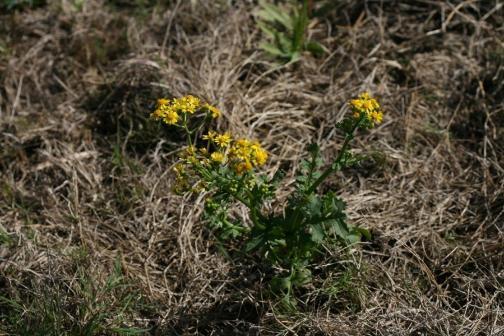
Some weeds to look for during scouting.
While the specific weeds you encounter will vary depending on your location and pasture management practices, some common springtime invaders in Florida include:
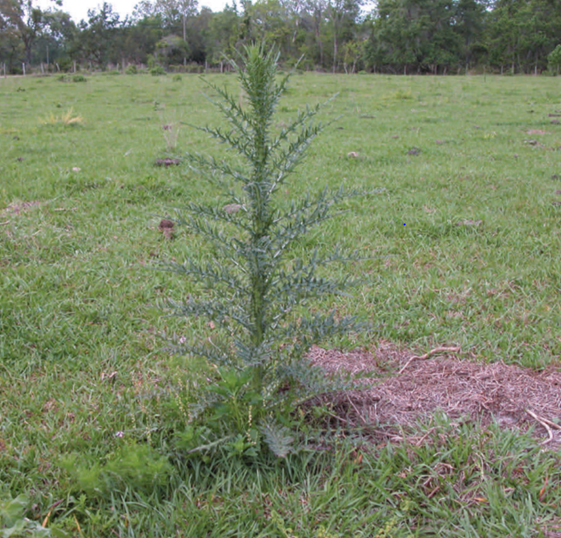
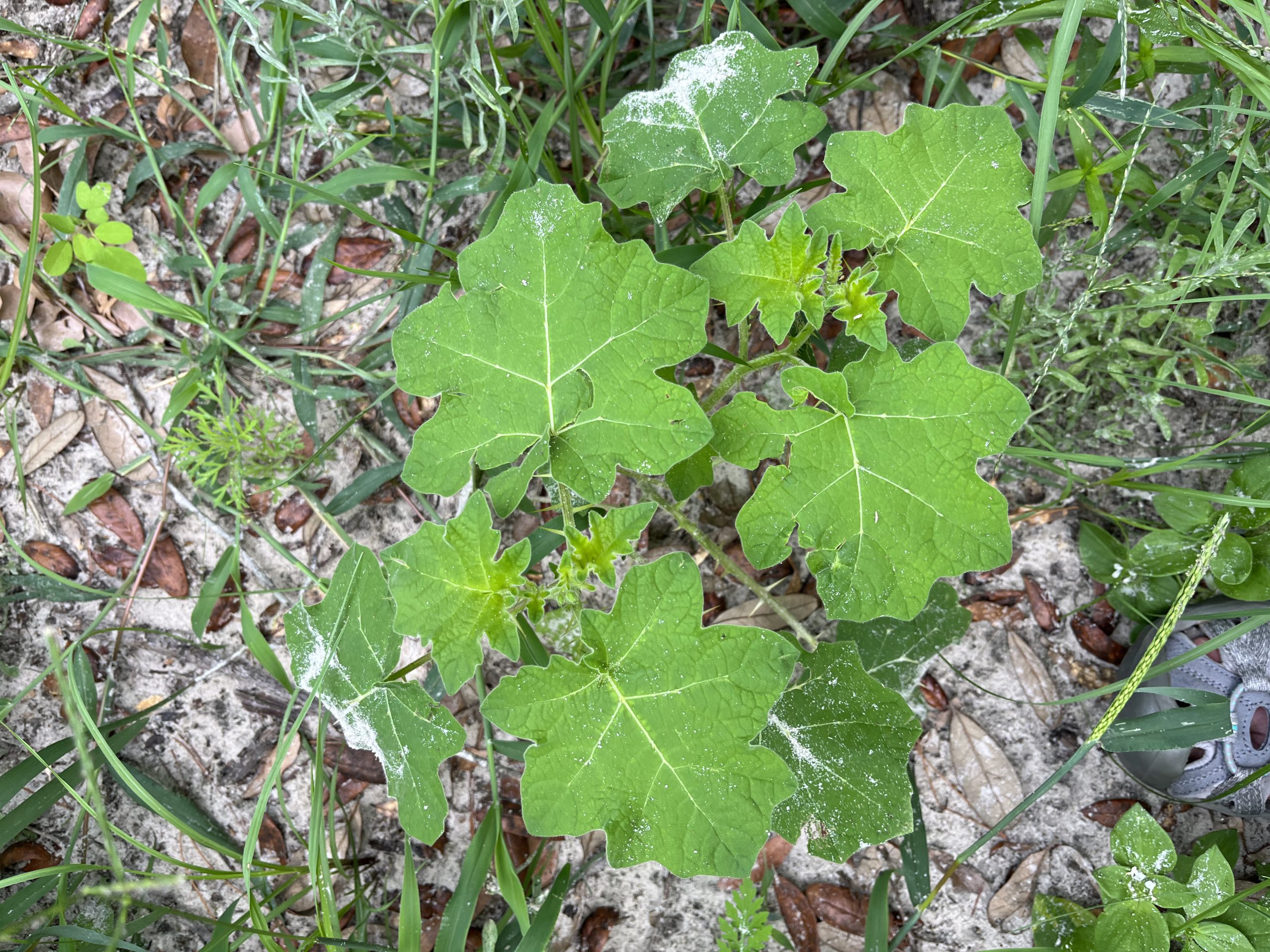
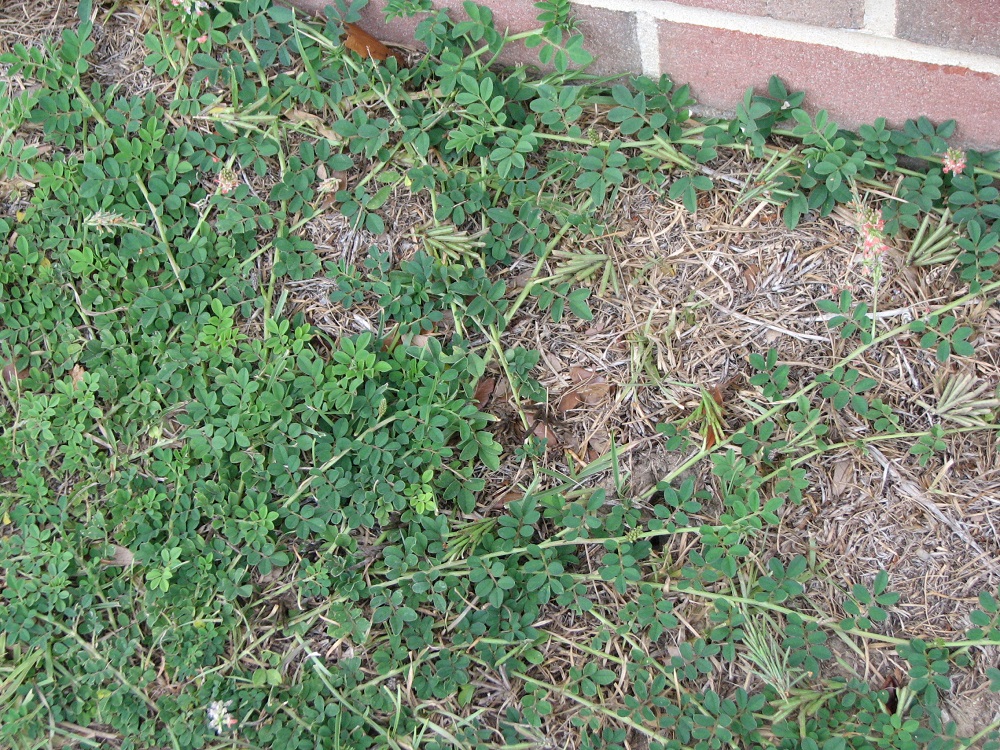
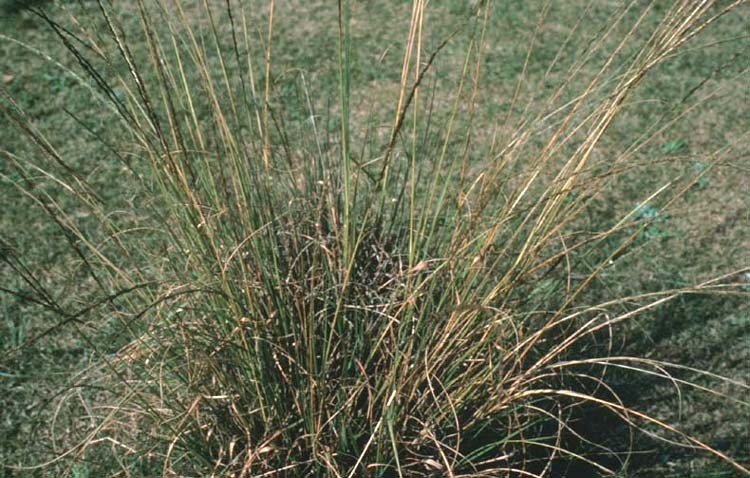
Springtime scouting should not be viewed as a chore but as an investment in the health and productivity of your pastures. It is a valuable tool for maintaining and managing your pastures.
Here are links to more info on pasture weeds:
https://edis.ifas.ufl.edu/publication/WG006
 0
0