Integrating cool-season forages into small ruminant production offers numerous benefits, including improved pasture utilization, enhanced animal performance, and greater overall system sustainability. Cool-season forages thrive in cooler temperatures and are most productive during late fall, winter, and early spring. In Florida, common cool-season forages include ryegrass, oat, rye, triticale, and wheat, while typical legumes are white clover, red clover, vetch, and winter peas.
Producers can establish pure or mixed stands of ryegrass, oats, or clovers to create targeted grazing areas suited to their farm’s needs and what grows well in our region. Designating a specific pasture for cool-season forages provides a valuable “winter pasture” option when warm-season grasses are dormant. Incorporating cool-season forages can reduce feed and hay expenses during winter months and help maintain optimal body condition scores in your flock/herd.
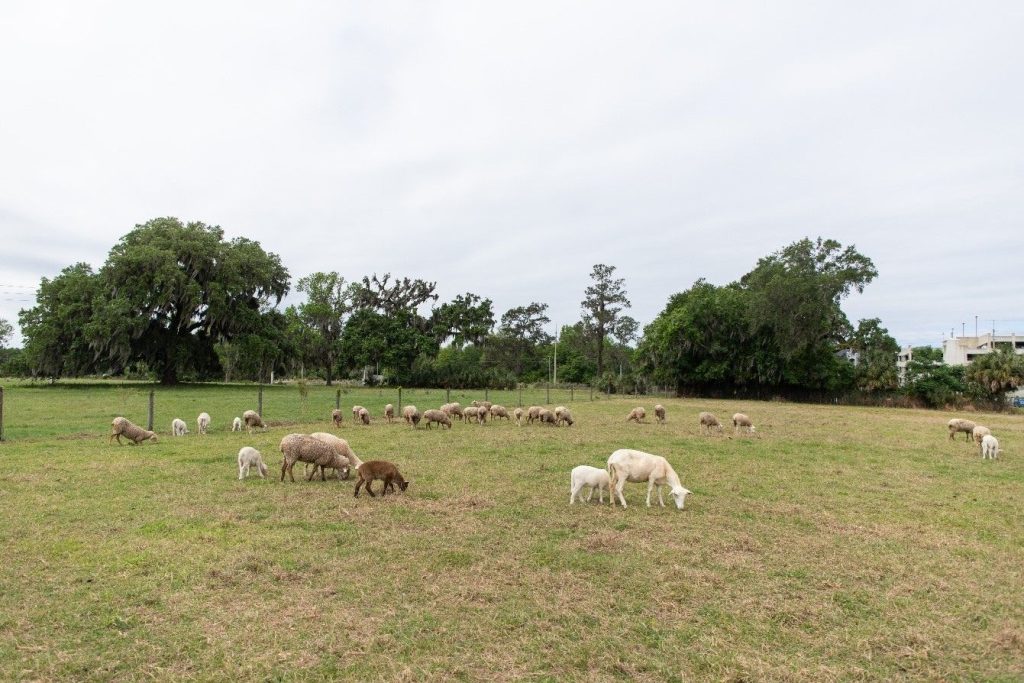
Figure 1: As warm-season grasses begin to go dormant in the fall and winter, cool-season forages can be planted after heavy grazing to minimize competition for emerging seedlings. Photo Credit: UF/IFAS Photo by Cristina Carrizosa.
Enhances Pasture Productivity
The cool season forages can provide quality forage when warm-season grasses (like Bahia and Bermuda) are dormant. Overseeding into the warm season pastures maintains good ground cover and reduces erosion. When using legume mixtures, they can improve soil fertility by putting nitrogen back into the soil with biological nitrogen fixation. Select a cool season forage species that will adapt to your soil type, drainage, and region within Florida.
Promotes Improved Animal Efficiency
Since the cool season forages are high in protein (typically 14-25%) and high digestibility, it will keep your small ruminants in good body condition during the winter months. It also supports lactating ewes/does and growing lambs/kids during a time when they need a high protein diet. Rotational grazing through cool season paddocks can help disrupt parasite life cycles such as the barber pole worm.
Cool Season Management Tips
- Plant at the right time when the temperatures start to lower and when you have adequate soil moisture to ensure good seedling emergence.
- Perform a soil test and apply proper nutrients early to ensure optimal forage growth.
- Prepare your pasture by overgrazing or mow your “winter pasture” before planting your cool season forages over your dormant bermuda or bahia pastures.
- Avoid grazing too early or aggressively, wait until the forage height reaches at least 12 inches tall for small grains.
- Rotate your small ruminants every 3-7 days to optimize forage use and regrowth or when your forage drops to about 3-4 inches.
- Allow adequate rest periods for recovery of cool-season species.
- Consult with your UF/IFAS Extension Agent for best winter forage management practices.
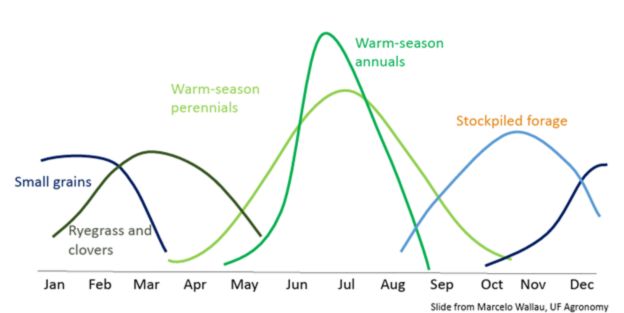
Table 1: Forage species and their optimal growing seasons by Dr. Marcelo Wallau, UF Agronomy.
To learn about the different varieties and types of cool season forages, please visit this EDIS publication: https://edis.ifas.ufl.edu/publication/AA266
To learn more about overseeding pastures for winter forage production in Florida, please visits this EDIS publication: https://edis.ifas.ufl.edu/publication/AG146
 1
1