For centuries, wildfire has played a vital role in shaping our natural areas, creating a cycle of growth and decay. Prescribed fire mimics the cycle of natural fire in a controlled manner, proving to be an essential tool for land managers to boost the ecological health of their site. We have designed our Certificate in Natural Areas Management (CNAM) program to encompass a holistic array of land management responsibilities, of which fire management is included.
Fire in Florida’s Ecosystem
Given Florida’s unique geography and weather patterns, lightning has historically been a prominent cause of natural wildfires across the region. Subsequently, Florida’s diverse ecosystems, such as wetlands, pine flatwoods, and scrub areas, have adapted to the regular occurrence of mild wildfires. Within each ecosystem are native fauna that are dependent on frequent fires: gopher tortoise, sparrows, indigo snakes, and the Florida black bear. After each fire, ecosystems and habitats are rejuvenated for regrowth.
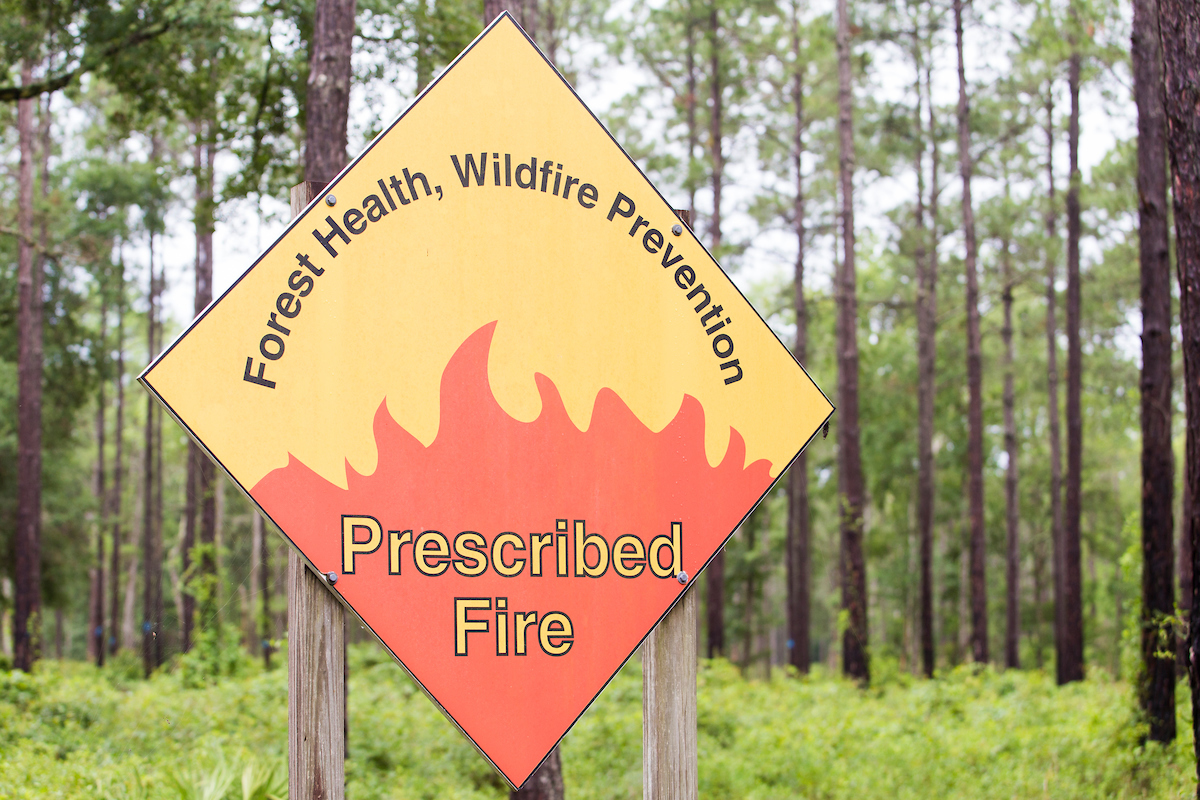
The Benefits of Prescribed Fire
A prescribed burn is a carefully planned fire, set in a highly controlled environment, to achieve specific goals set by the land manager. Some benefits of prescribed fires are:
- Reduced fuel loads: By regularly burning dead vegetation, prescribed fires can reduce the risk of future wildfires.
- Promotes biodiversity: By providing a clean slate and an abundance of resources, fire can stimulate the growth of new vegetation.
- Maintains ecosystem function: Prescribed fire can influence everything from soil chemistry to nutrient cycling, maintaining delicate ecosystem processes.
- Enhances wildlife habitat: Prescribed fires create habitat diversity for wildlife to thrive in.
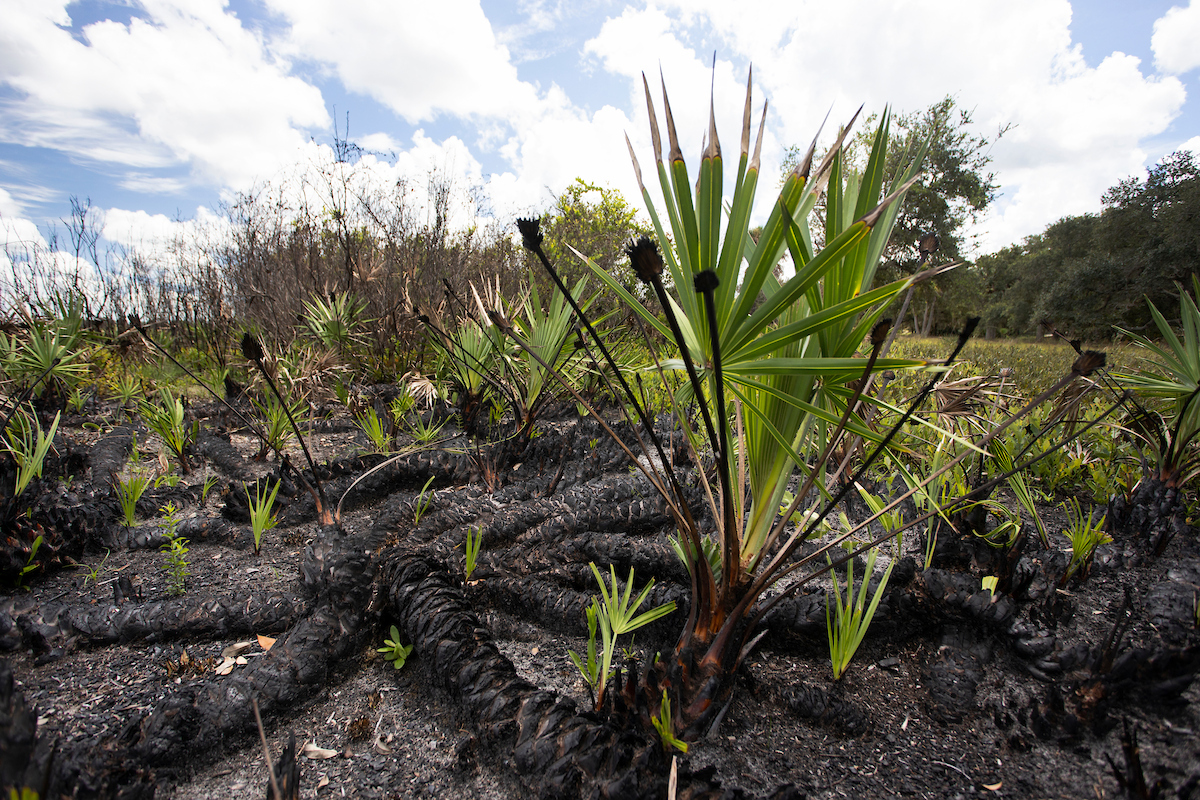
The Challenges of Prescribed Fire
Despite the extensive list of benefits that come from prescribed fires, there are still challenges:
- Safety: Prescribed fire can pose risks to people, wildlife, and infrastructure.
- Weather: Prescribed burns require specific weather conditions.
- Public perception: Many people view fire as a destructive .
However, with proper planning, training, and public education, these challenges can be minimized.
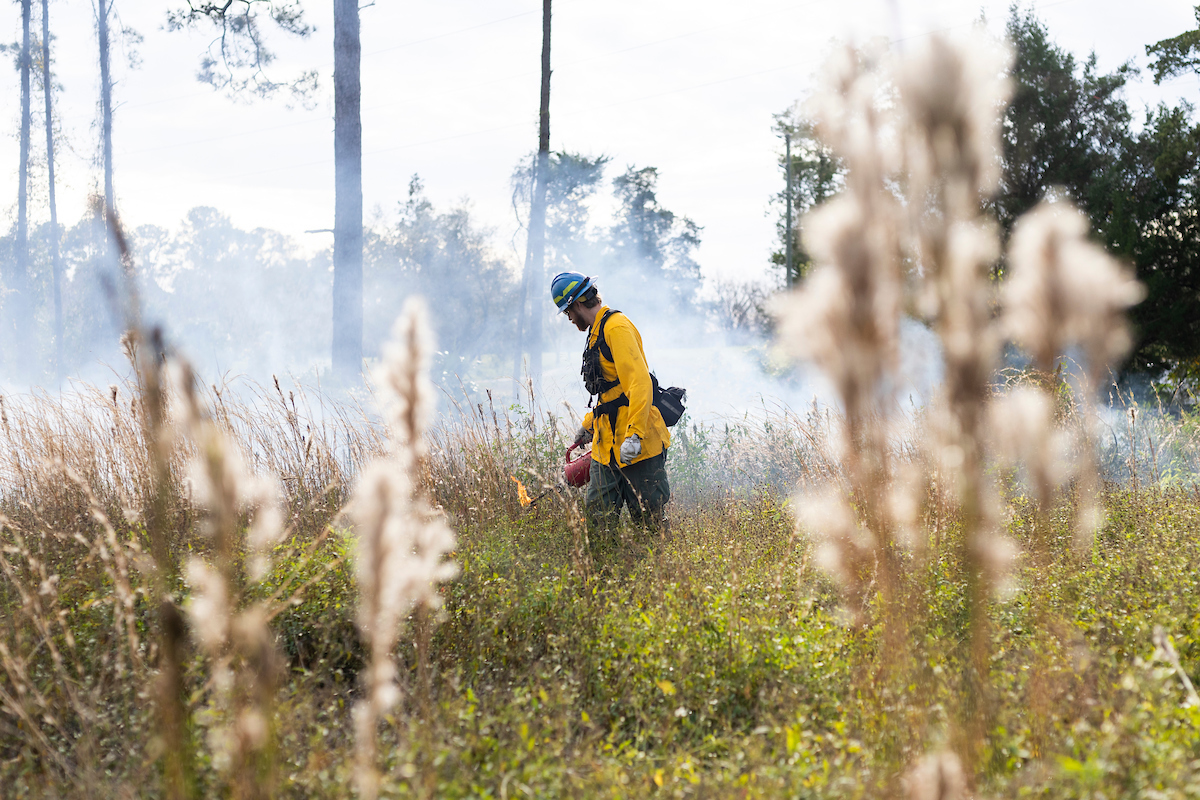
What You Can Do
When carefully planned and executed, prescribed fire is a powerful tool in natural areas land management. As we continue to navigate the complexities of land management, it is essential to acknowledge the importance of prescribed fires to ecosystem health and biodiversity. Eventually, we can work towards a future where fire is viewed as a crucial component to our natural environment.
Learn More Through the Natural Areas Training Academy
We prepare natural area managers with entry-level wildland firefighter skills through our S-130/S-190/L-180: Basic Wildland Firefighter course. For more information on this course and others, visit our website: https://programs.ifas.ufl.edu/nata/.
The combination of S-130, S-190, and L-180 into one course provides participants with a general understanding of prescribed burning and wildfire management. This course is perfect for emerging land management professionals.
First, students are introduced to basic fire management ideas through S-190. Specifically, focusing on fire terminology, characteristics of wildland fire environment components (fuels, weather, topography), fire weather factors, and extremes for fire behavior.
S-130 prepares participants for understanding standard firefighting orders. These include: Watch Out Situations, communication methods for information dissemination, fireline construction, and fire extinguishing.
Lastly, participants end the course with L-180 by going over human performance in high-risk work environments and strategies for improving performance in their line of work.
Additional Sources of Information on Prescribed Burning
2025 National Wildfire Coordinating Group (NWCG) Incident Response Pocket Guide (IRPG)
 0
0