Estuaries are vital for clean water, fisheries, coastal protection, and recreation. They are essential to ecosystems and communities. National Estuaries Week (Sept. 20–27, 2025) invites people to celebrate the places where rivers meet the sea. Florida is home to three national estuarine research reserves—Guana Tolomato Matanzas in northeast Florida, Rookery Bay in southwest Florida, and Apalachicola in the Panhandle. Dozens of other estuarine systems in the Sunshine State support oysters, seagrasses, and wildlife. Research in the UF/IFAS Department of Soil, Water, and Ecosystem Sciences (SWES) aims to understand and protect these important places.
Guana Tolomato Matanzas
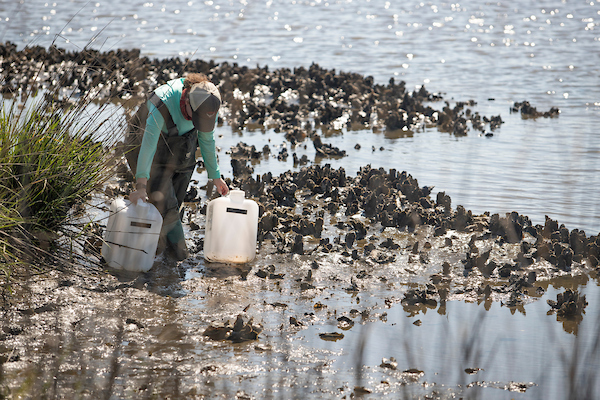
At Guana Tolomato Matanzas, or GTM, national estuarine research reserve, Ashley Smyth, an associate professor in SWES, led a collaborative project focused on how nutrients move through the estuary. The project also examined the role of shellfish such as oysters and clams in improving water quality. Excess nutrients from urban development around GTM threaten water quality and can fuel algae blooms. Shellfish can play a powerful, natural filtering role.
The project, supported by the National Estuarine Research Reserve System Science Collaborative, gathered new data on shellfish distribution, filtration, and nutrient removal. These insights help guide restoration and management strategies at GTM. Community engagement was also central—local partners and stakeholders joined to review data and discuss restoration priorities. As Smyth noted, combining robust science with open conversations builds trust and leads to better outcomes for estuarine health.
Apalachicola
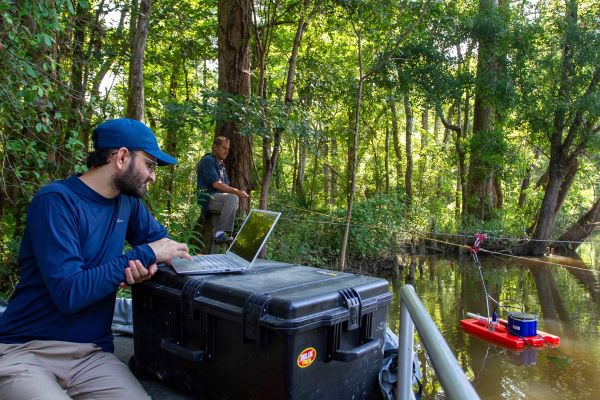
In the Apalachicola River and Bay system, SWES alumnus Love Kumar contributed to the Apalachicola Riverkeeper’s Slough Restoration Project as part of his doctoral research. Sloughs are side channels that connect the river to floodplains and, ultimately, the estuary. When blocked by sediment, they limit water flow and disrupt nutrient cycles.
Kumar studied water quality in six sloughs, tracking changes in pH, dissolved oxygen, and temperature across wet and dry seasons. He also calculated how much nitrogen and carbon moved through the sloughs toward the bay. Hydrodynamic modeling helped predict how restoring Spider Cut Slough would affect flows. Kumar’s findings show how reconnecting sloughs can improve water quality, restore floodplain functions, and support estuarine ecosystems downstream.
“By understanding how water and nutrients move through sloughs, we can better manage restoration projects and protect the estuary,” Kumar explained. Now a water resource engineer with the Illinois State Water Survey, he added, “Healthy connections between rivers, floodplains and estuaries are critical for long-term resilience.”
Salinity Shifts and Estuarine Life
Another area of SWES research examines how changes in salinity—the mix of freshwater and saltwater—affect estuarine plants and animals. In a UF/IFAS extension publication, Ashley Smyth, Laura Reynolds, an associate professor in SWES, and colleagues describe how altered salinity impacts oysters, seagrasses, and other species. Too much freshwater or saltwater stresses these organisms, affecting entire food webs.
The publication provides guidance for resource managers on monitoring salinity. It also helps them anticipate how climate change and water management might alter conditions in Florida’s estuaries. This work links science to potential solutions, allowing communities to plan for resilient coasts.
Extension and Outreach
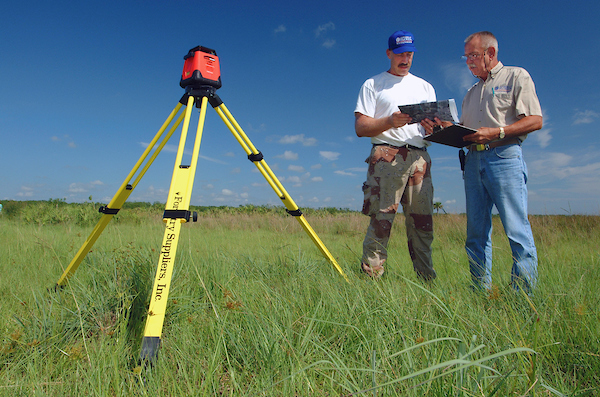
Estuaries are a type of coastal wetland, and efforts are underway to help Floridians care for them. Mark Clark, an associate professor in SWES and UF/IFAS Wetlands and Water Quality Extension Specialist, oversees the Florida Wetlands Extension Program. It offers science-based guidance on wetland and estuary management, restoration, and protection. Through workshops, training, and partnerships, it equips communities with tools to safeguard these ecosystems—for both people and wildlife.
“Wade In” to Celebrate National Estuaries Week
From Guana to Apalachicola, UF/IFAS SWES research and extension are advancing understanding and stewardship of Florida’s estuaries. But estuaries also belong to everyone. This National Estuaries Week, you can:
- Visit a national estuarine research reserve or nearby estuary for hiking, birding, or kayaking.
- Volunteer with a local water quality monitoring or oyster restoration program.
- Explore educational resources from UF/IFAS extension and NOAA’s Estuary Education website.
- Share your estuary experiences with #EstuariesWeek and #WadeIn on social media.
Estuaries sustain our coasts, communities, and way of life. Through research and extension, SWES is proud to support and protect them year-round.
Featured image of turtles on the Santa Fe River by Cat Wofford, UF/IFAS photographer, taken April 2022.
 1
1