The Sand Pine (Pinus clausa) is our only native pine harvested as a Christmas tree. Its compact, conical shape and dense, waxy needles make it perfect for seasonal decorating and year-round appeal. If you need a trick to remember its name Latin name, think “Santa Claus-a”.
Found naturally in scrub habitats from USDA hardiness zone 1-10, this pine ranges form 25-40 feet tall and 12-25 feet wide. Needles are 2-4 inches with cones between 1-3 inches.
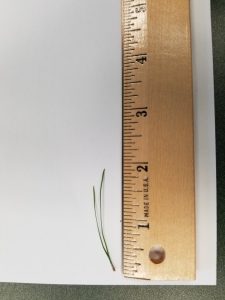
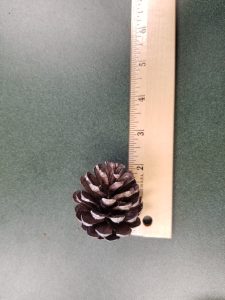
Florida’s Sand Pine Scrub habitats, where conditions are dry, sunny, and sandy. Unlike towering Longleaf or Slash Pines, which grow high above the flame zone, Sand Pines sport low branches covered in flammable, wax-coated needles. Rather than resisting fire, these trees embrace it in cycles.
Every 30–40 years, intense crown fires naturally sweep through the scrub ecosystem, igniting the canopy and clearing older trees. While most other native pines are adapted to frequent, low-level understory fires (less than six feet tall), Sand Pines are built to burn. Once the fire passes, their serotinous cones release seeds, sprouting new generations in the freshly cleared soil.
Don’t let its flammable reputation steer you away, Sand Pines are excellent specimen trees for Florida yards. Plant them in open, sunny spots with well-drained soil, and once established, they’re highly tolerant to drought and salty conditions.
Bonus Tip: Use your Sand Pine as a living Christmas tree—decorate it with lights and ornaments, then watch it grow for seasons to come.
Sand Pines reflect the resilient beauty of Florida’s natural landscapes. By incorporating native trees like these, you’re not only celebrating local ecology, you’re planting a living tradition. If you’re looking to add structure, shade, and seasonal character to your yard, the Sand Pine is ready to shine.
Learn more here
This article was edited with Co-Pilot
 1
1