Not all pretty plants belong in Florida’s landscape. Two commonly ornamental plants, tropical milkweed (Asclepias curassavica) and zebra inchplant (Tradescantia zebrina), have recently raised red flags with scientists and conservationists due to their growing impacts on native ecosystems.
Tropical milkweed: From butterfly magnet to monarch menace
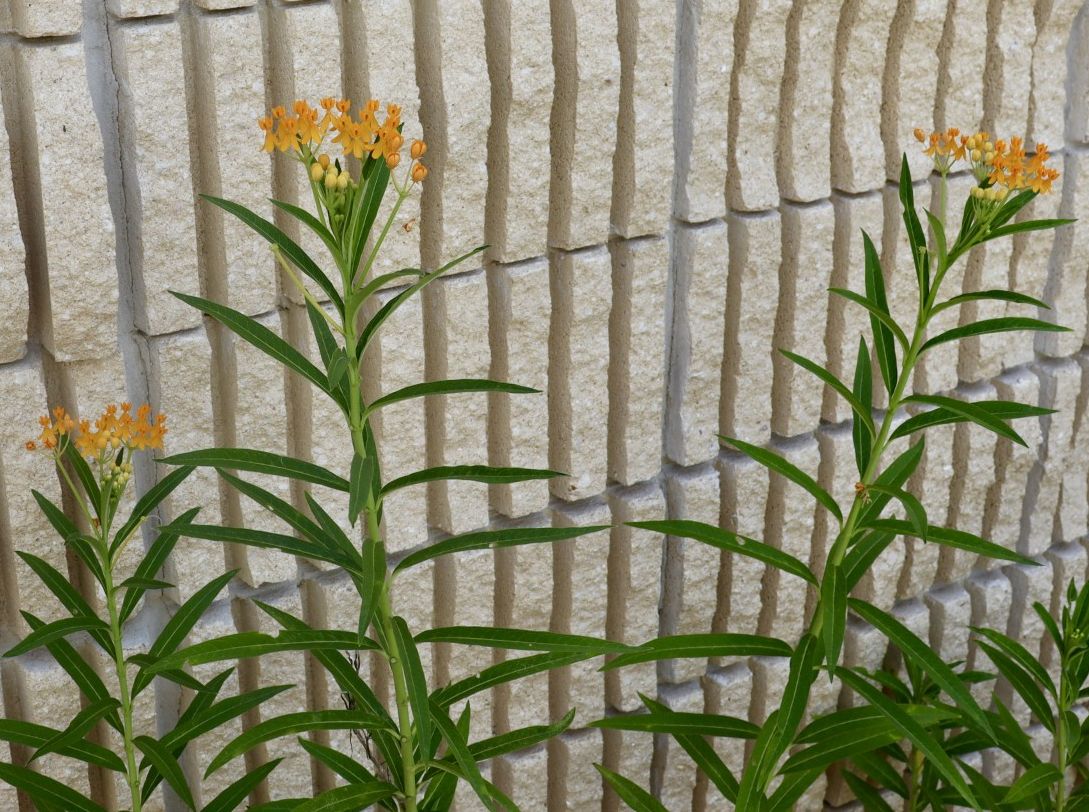
Long praised for attracting monarch butterflies, tropical milkweed is now recognized as a Category II invasive species by the Florida Invasive Species Council (FISC). While it’s visually striking and easy to grow, this non-native milkweed disrupts monarch migration patterns, encourages year-round breeding, and increases disease risk by harboring parasites like Ophryocystis elektroscirrha (OE). Even worse, its presence may reduce pollination of native milkweeds, which are essential for healthy butterfly populations.
Zebra inchplant: A spreading groundcover with a hidden cost
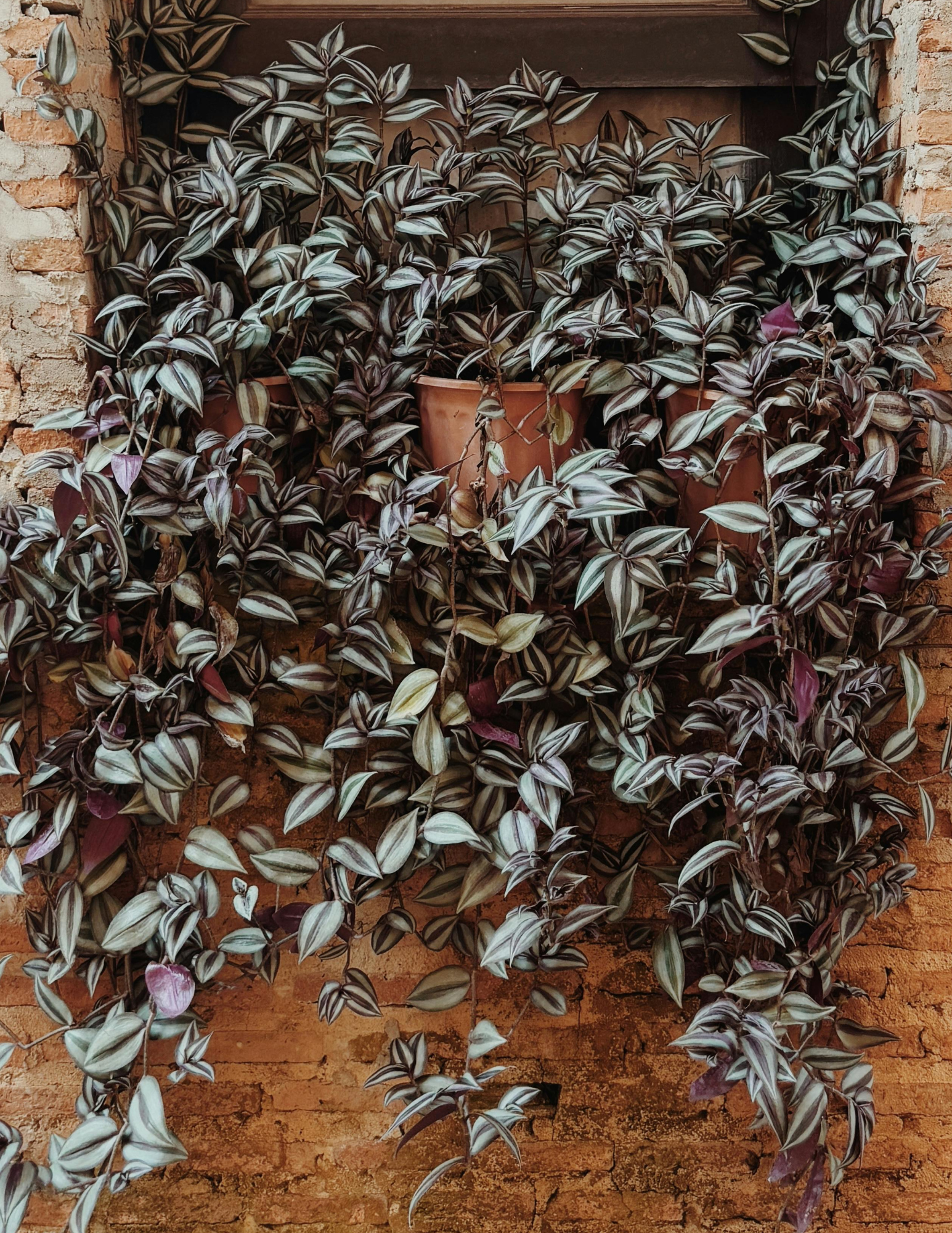
Also recently added to the FISC Category II list, zebra inchplant is a fast-spreading groundcover with eye-catching purple and silver leaves. But beneath the surface, it’s a serious threat. It invades shady natural areas, outcompetes native plants, and may reduce the habitat quality for wildlife, including the imperiled gopher tortoise. Like many non-native species, it hasn’t yet caused widespread ecological damage, but the potential is clear, and proactive management is key.
Why these listings matter
FISC Category II plants are species that are increasing in frequency and abundance in Florida’s natural areas. While they haven’t yet caused the full-scale ecological disruption seen with Category I species, they are on track to do so without early action.
What you can do
- Skip tropical milkweed and plant native alternatives like Asclepias incarnata (swamp milkweed) or Asclepias tuberosa (butterfly weed) to support healthy monarch populations.
- Avoid zebra inchplant in landscapes near natural areas. Instead, choose native groundcovers such as frogfruit (Phyla nodiflora) or sunshine mimosa (Mimosa strigillosa) that provide habitat and nectar for wildlife.
- Stay informed about Florida’s invasive plants and help prevent their spread by making informed, responsible choices in your garden.
- Find your local plant nursery at Plant Real Florida | Bring Your Landscape to Life with Native Plants
These actions align with the principles of the Florida-Friendly Landscaping™ Program, which promotes low-maintenance, environmentally sound landscapes tailored to Florida’s unique soils, climate, and wildlife. By selecting site-appropriate plants and avoiding known invasives, you help preserve biodiversity, conserve water, and protect Florida’s natural resources for future generations.
 7
7