Cattle work is unpredictable. Injuries happen without warning, and when you’re at the cowpens, help might be miles away. The right supplies and a little know-how can turn a minor incident into just that—minor instead of catastrophic. Having a first aid kit on site should be a priority to help ensure quick treatment is available.
Building Your Cowpen First Aid Kit
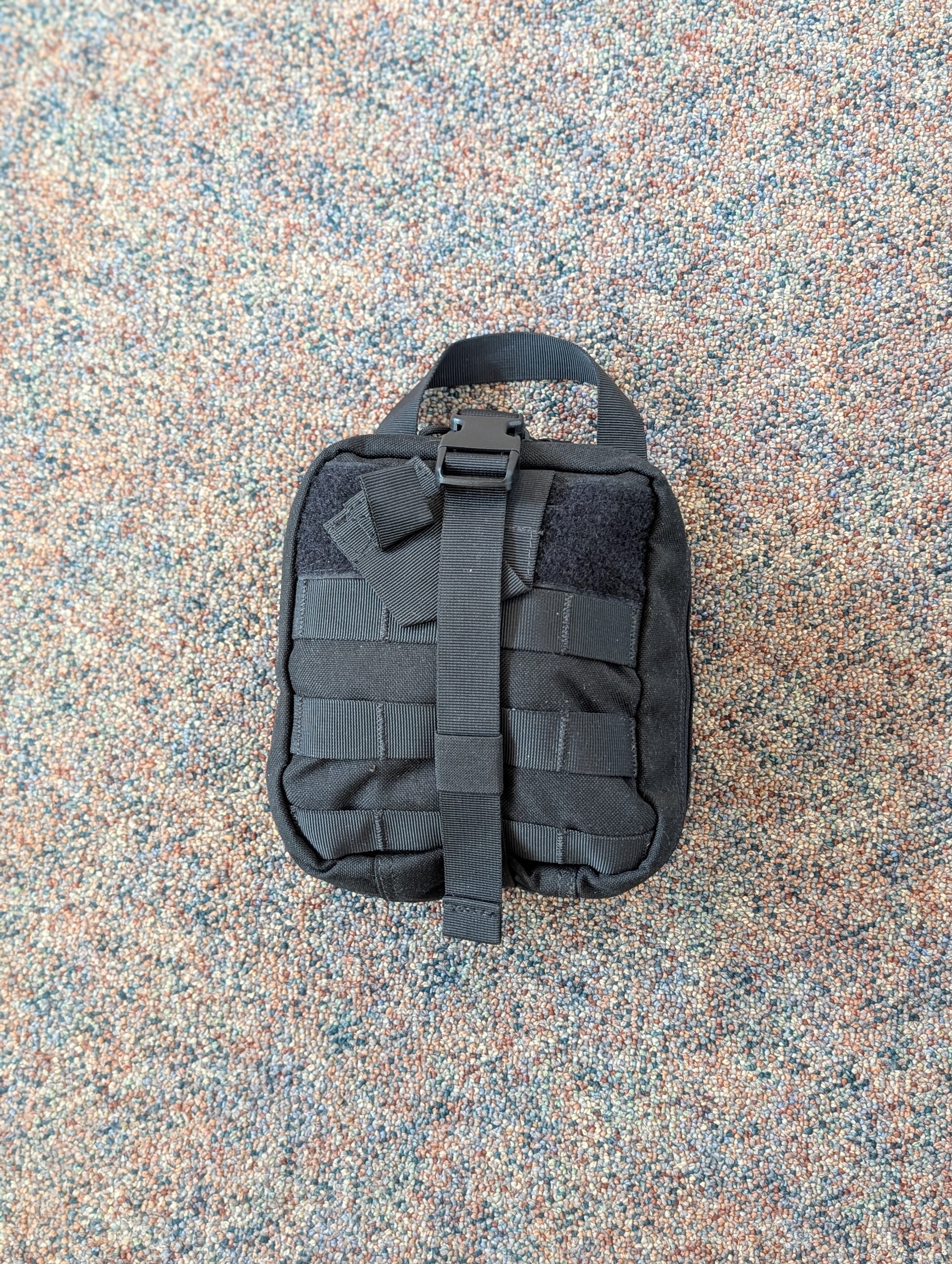
Keep a dedicated first aid kit at the cowpens—not just in your truck. Murphy’s Law guarantees you’ll need it the day your truck isn’t there. Store it in a visible, easily accessible spot. Mark it clearly and choose something waterproof if possible.
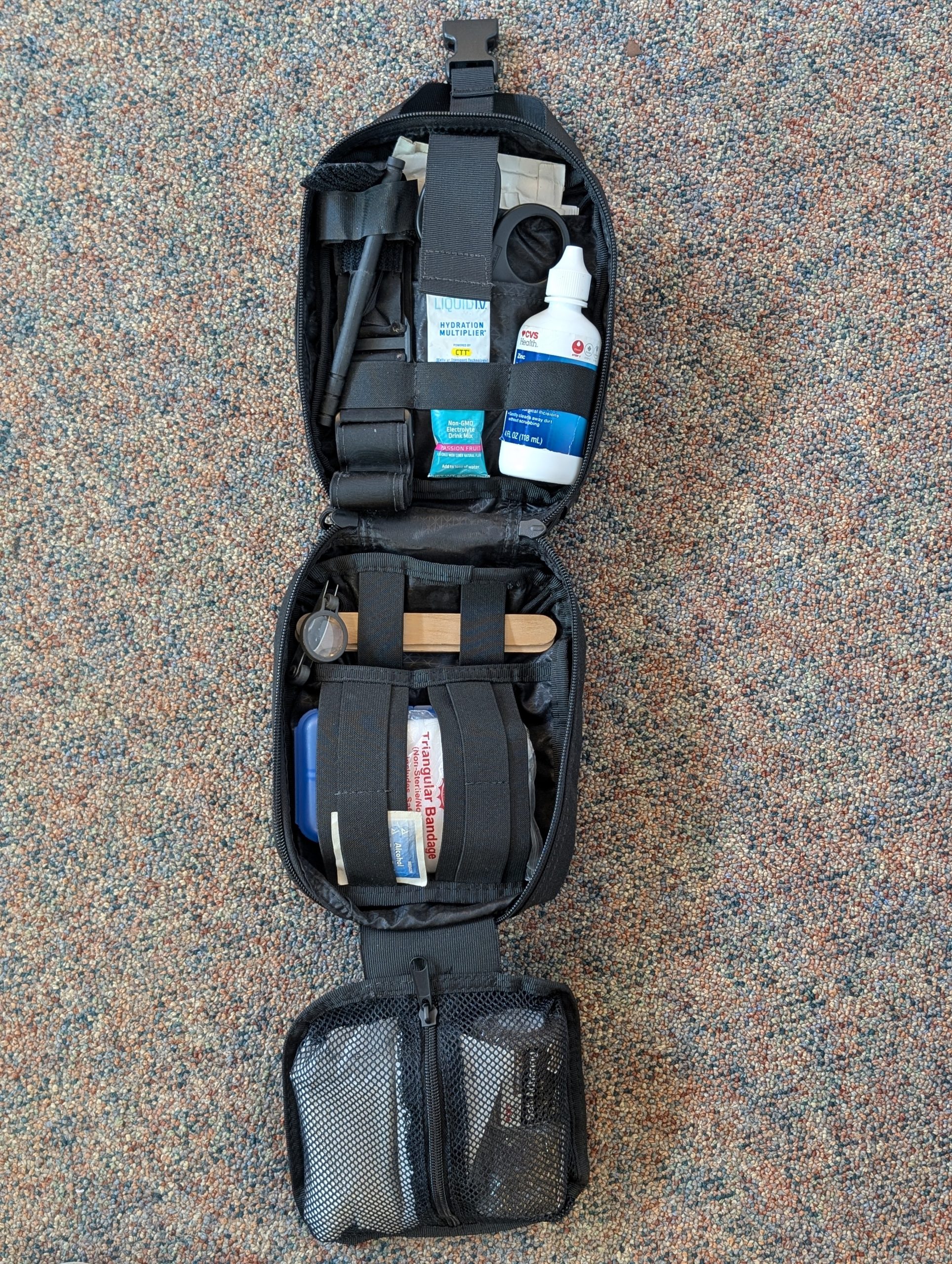
You can buy a quality pre-made kit or build your own. Either way, don’t cheap out—a band-aid that won’t stick past five seconds is useless. Your kit should include:
– Adhesive bandages (band-aids) for cuts, scrapes, and stabs

– Gauze pads and rolled gauze for larger wounds; hemostatic gauze is a bonus since it slows bleeding
– Large trauma dressings for serious wounds
– Medical tape and elastic wrap to secure dressings and support sprains
– Blunt-edge trauma shears to cut away denim and leather—yes, actual scissors, not your pocketknife
– Tweezers for debris removal
– Nitrile gloves to protect yourself and the wound
– Antibacterial ointment—remember, you’re surrounded by bovine and human germs
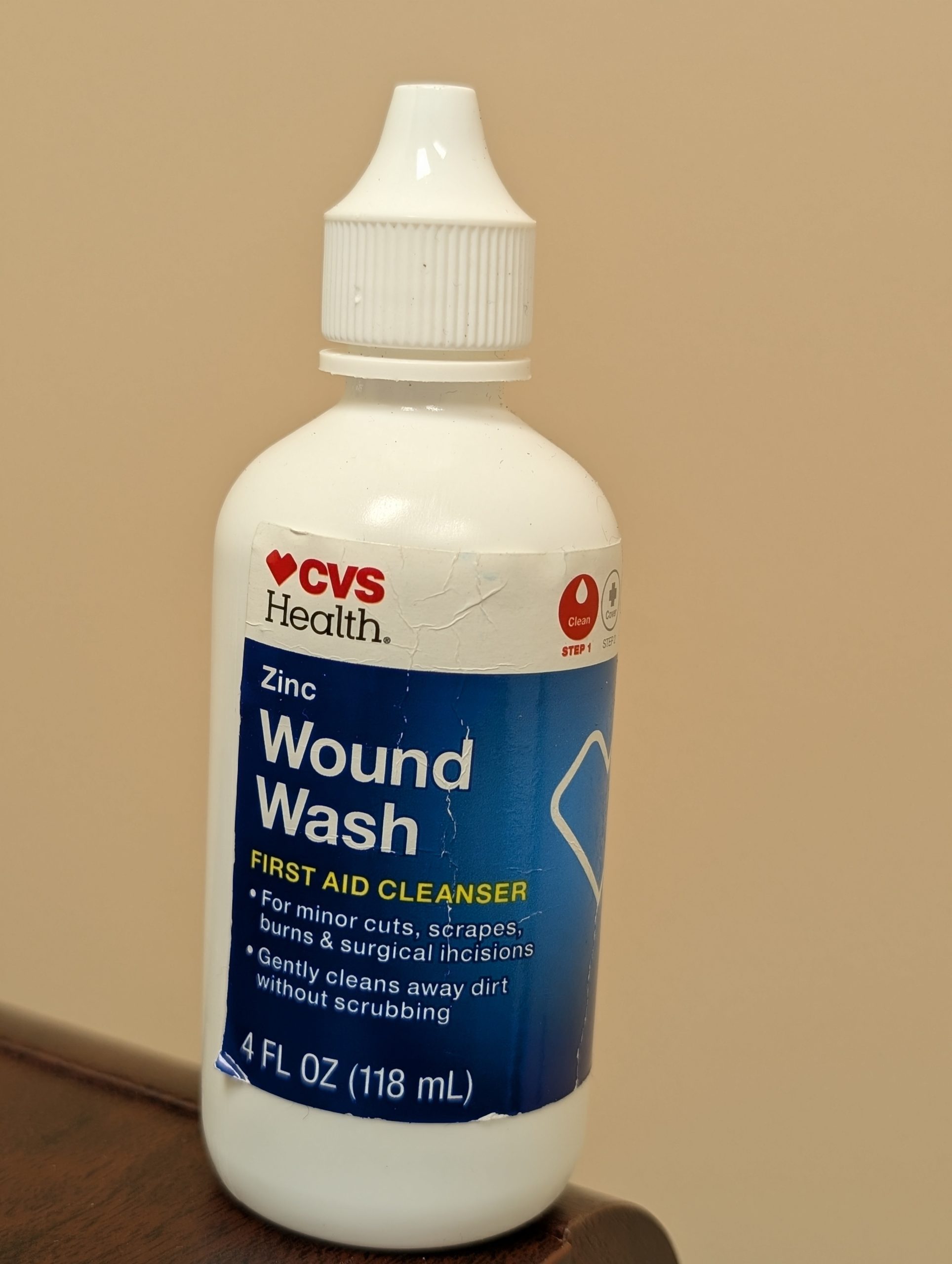
– Sterile saline or wound wash to flush dirty wounds
– Commercial tourniquet (CAT or SOF-TT brand) for life-threatening limb bleeding
– Cold packs for swelling and impact injuries. In the event of a severed digit (thumbs from a roping accident), putting the digit on ice in a cooler will play heavily in it’s reattachment
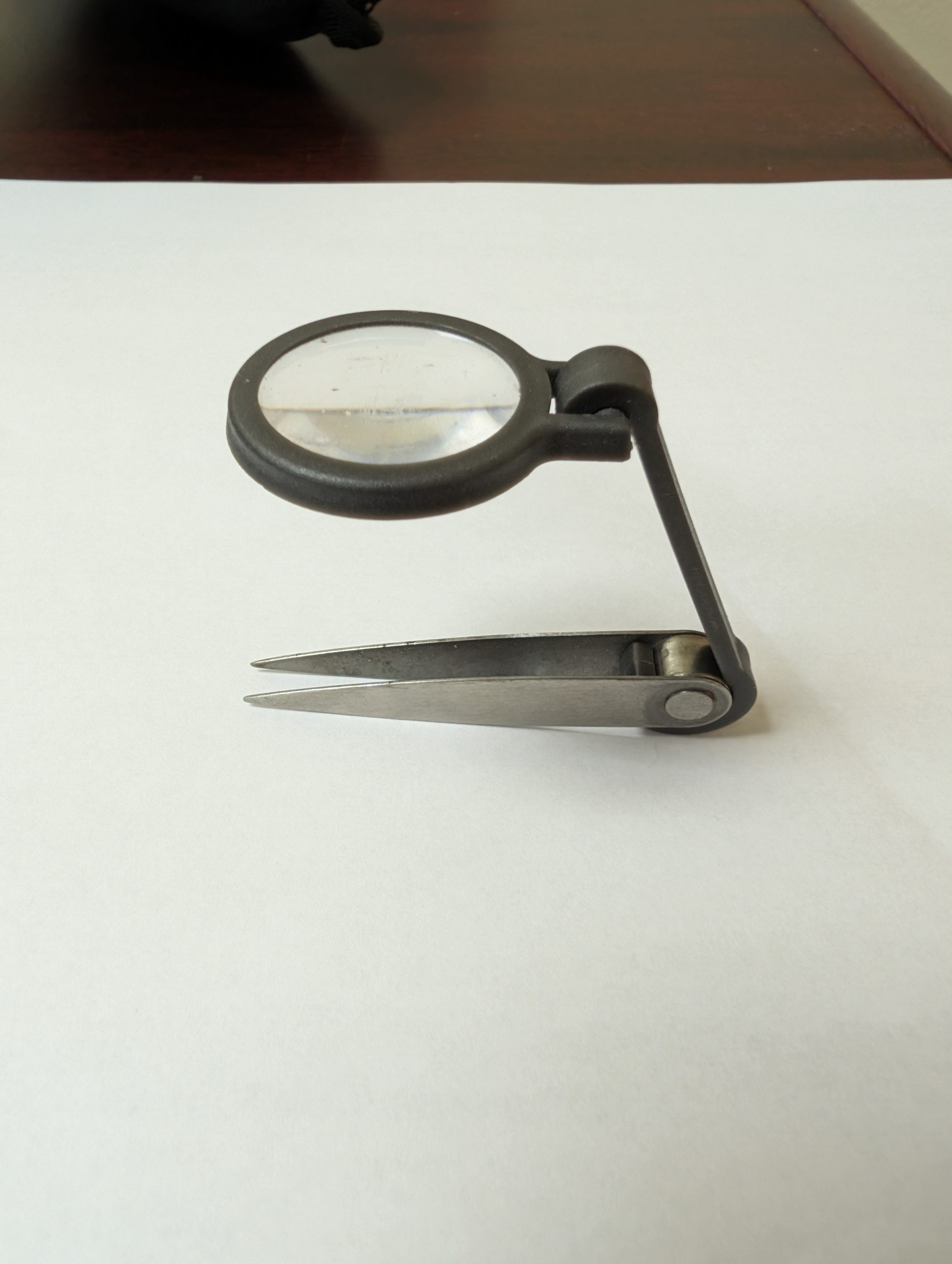
– Basic medications: ibuprofen, acetaminophen, aspirin, antihistamines (for that wasp nest under the gate)
– Oral glucose gel or hard candy for diabetics with low blood sugar
– Packet of electrolytes: if someone is overheating or cramping, get them some electrolytes
– CPR pocket mask
– Flashlight or headlamp
Make sure everyone knows where you keep the kit. It can’t help if no one can find it.
Also, be sure to secure the area. That means getting all animals out of the area so they cannot interfere. Nervous animals are dangerous animals.
Basic Wound Care
Cuts, scrapes, and stabs are common cowpen injuries. Here’s what to do:
- Apply direct pressure immediately. Use your hand, a clean cloth, or gauze pad right on the wound.
- Keep pressure applied. Don’t lift to peek—that restarts bleeding. For minor cuts, hold pressure for at least 5 minutes.
- Check the bleeding. If it’s controlled (not seeping through), clean the wound with sterile saline. Flush out dirt and debris; use tweezers for stubborn pieces.
- Apply antibiotic ointment if you have it.
- Redress with a clean bandage. Apply firm pressure as you wrap. This seals the wound an

A sterile solution in a squeeze bottle can help irrigate any foreign debris d creates a clean environment for healing.
- Watch for infection over the next few days—increasing pain, redness, swelling, pus, red streaks, or fever mean you need medical attention
Severe Bleeding—Act Fast
For wounds that spray or gush:
- Press hard and don’t stop – Stack more dressings on top if blood soaks through.
- Pack deep wounds – with rolled gauze pushed firmly into the wound.
- Use a tourniquet – if direct pressure fails on an arm or leg. Place it 2–3 inches above the wound (not over a joint), tighten until bleeding stops, note the time, and do not remove it—leave that to paramedics.
- Lay the person flat, keep them warm, and call 911 immediately.
Trauma: Bruises, Breaks, Bulls, and Broncs
A cow that slams you into the fence, a horse kick, a fired-up bull—all cause sudden impact trauma. Depending on severity, you might see bruises, sprains, fractures, or internal bleeding.
Head, neck, and back injuries are serious. If someone takes a hard hit to these areas:
– Check that they’re breathing.
– Don’t move them unless there’s immediate danger.
– Support their head and neck in place.
– Call 911.
For suspected broken bones:
– Control any bleeding first.
– Splint the limb in the position you found it; pad and secure above and below the injury.
– Apply cold packs to reduce swelling.
Watch for signs of internal bleeding: worsening belly pain, rigid abdomen, confusion, rapid pulse, fainting. Call 911.
The cowboy rule of “get back in the saddle” is noble and admirable, but don’t turn a three-month injury into a lifelong one. When in doubt, get checked out.
Heart Attacks
In the U.S., someone has a heart attack every 40 seconds[1]. With the average age of ranchers climbing and the stress of handling difficult animals (and sometimes difficult family), you need to recognize the signs and act.
Signs of a heart attack:
– Chest pressure or pain (may spread to arm, jaw, back)
– Shortness of breath
– Sweating, nausea, sudden fatigue
What to do:
- Call 911 immediately. Help can’t arrive if you never call.
- Have the person sit down in a comfortable position. Loosen tight clothing—undo the belt, unbutton the shirt.
- If they collapse and stop breathing, start CPR immediately and use an AED if you have one.
Click here for a video on how to preform CPR
Final Thoughts
Always call 911 first in any medical emergency. Everything else you do buys time until professionals arrive.
Post your exact location at the gate and inside your first aid kit: physical address, gate name or code, GPS coordinates, and the best approach route for an ambulance. Assign roles ahead of time—who calls 911, who guides responders in, who grabs the kit, who provides care.
Check your kit every three months and restock immediately after you use it. Run quick practice drills twice a year so everyone stays sharp.
Take trainings on CPR and First Aid. Classes are available online and in-person: https://www.redcross.org/take-a-class
Keep your tetanus booster current—every 10 years, or sooner for dirty wounds.

This article provides practical guidance but does not replace formal training or medical advice. Take a Stop the Bleed and CPR/AED course, and consult a healthcare professional for personalized recommendations.
[1] Tsao CW, Aday AW, Almarzooq ZI, et al. Heart Disease and Stroke Statistics—2023 Update: A Report From the American Heart Association. Circulation. 2023;147:e93–e621.
 0
0