As a horticulture agent, one question that always makes me uneasy is, “What is killing my tree?” It sounds simple, but the answer is rarely straightforward. Finding the cause often feels like solving a mystery—sometimes it takes horticultural sleuthing, a game of twenty questions, or even sending a sample to a diagnostic lab. Why is it so tricky? Because plants cannot talk. While many people quickly blame insects, fungi, or microbes, two other major influences often go overlooked: Mother Nature and us. These hidden causes of tree decline are easy to miss, yet they play a major role in tree health. This is especially true for trees, where decline can go unnoticed until the damage is severe. So, what should you keep in mind to help your trees live a long, healthy life? Let’s take a closer look at these two silent threats.
Human Factors Behind Tree Decline
We have a lot of control over the health of a tree—sometimes more than we realize. Unfortunately, many common practices harm trees without us even knowing. Here’s what to watch out for and what to do instead:
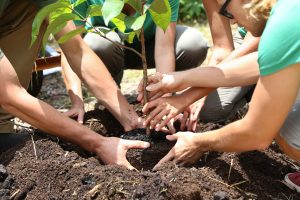
Right Plant, Wrong Place
What Harms Trees:
Planting a tree in the wrong location sets it up for failure. Poor soil drainage, incorrect pH, too much or too little sun, and proximity to structures or utilities can all stress a tree.
What to Do Instead:
Follow the Florida-Friendly Landscaping principle: Right Plant, Right Place. Choose species suited to your site’s soil, water table, and light conditions.
Planting Mistakes
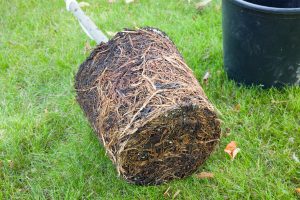
What Harms Trees:
Planting too deep is one of the most common mistakes. When the root flare is buried, the tree may grow well at first but eventually declines and dies. Circling roots are another hidden problem that can choke the tree over time.
What to Do Instead:
Plant so the first thick root (root flare) is at or slightly above the soil surface. For circling roots, prune the outer edges of the root ball to encourage new growth. If roots are severely circling when purchased, return the tree—correction may not save it.
Pruning Problems
What Harms Trees:
Topping trees or making large cuts on mature trees creates wounds that invite decay and pests. Trees cannot heal—they only cover wounds—and if closure is slow, rot sets in.
What to Do Instead:
Start structural pruning when the tree is young. Young trees recover faster and develop strong branch structure. Avoid big cuts on older trees whenever possible, and prune with the tree’s natural growth form in mind.
Everyday Practices That Harm Trees
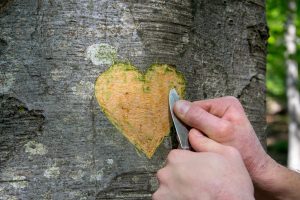
What Harms Trees:
Hanging lights or decorations can create entry points for pests and diseases. Parking under trees compacts soil and damages roots. Volcano mulching suffocates roots. Overwatering or underwatering stresses trees, especially young ones. Weed and feed fertilizers and misused herbicides can cause decline in larger trees over time.
What to Do Instead:
Keep decorations temporary and avoid attaching anything permanently. Do not park under trees. Apply mulch in a flat layer starting about 3 inches away from the trunk, never piled against it. Water young trees regularly, especially during the establishment period. Skip weed and feed products because they are not recommended for our area, and always read herbicide labels carefully to prevent drift or volatilization.
Mother Nature Factors Behind Tree Decline
Trees are resilient, but extreme weather and environmental stress can slowly weaken them. Unlike sudden damage, the effects of climate and weather often build up over time, making decline hard to detect until it is advanced. These hidden causes of tree decline are often overlooked because symptoms may not appear for years. Here are the main ways nature impacts tree health:
Storm Damage
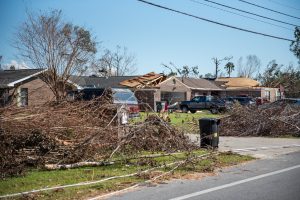
High winds from hurricanes or severe storms can break branches, split trunks, and even uproot entire trees. Lightning strikes can cause internal damage that may not be visible immediately but can lead to decay and structural weakness later. Repeated storm events compound stress, leaving trees more vulnerable to failure in future storms.
Drought and Flooding
Extended drought deprives trees of the water they need for basic functions, reducing growth and making them more susceptible to pests and disease. On the other hand, flooding can suffocate roots by limiting oxygen and may lead to root rot. Trees stressed by these extremes often show subtle symptoms at first, such as thinning foliage or smaller leaves, but the real damage may take years to appear.
Temperature Extremes
Sudden freezes can kill buds and damage bark, while prolonged heat waves increase water loss and stress. These temperature swings are especially harmful when they occur outside normal seasonal patterns. Over time, repeated exposure to extremes weakens trees, reducing their ability to recover from other stresses.
Long-Term Stress
Stress caused by climate and weather may not show up right away. Decline often appears years later and is usually the result of multiple years of stress rather than a single event. Mature trees cannot always be corrected once decline begins, so prevention and monitoring are key. Choosing species adapted to local conditions and maintaining overall tree health are the best defenses against environmental stress.
Final Thoughts
All of this stress—whether caused by human actions or by weather and climate—creates an opportunity for insects and diseases to invade. Most of the time, these pests are opportunists taking advantage of a weakened tree to complete their life cycles. When a tree is already stressed, decline can happen quickly once pests move in. These hidden causes of tree decline often set the stage for rapid deterioration. We cannot control every factor, but we can focus on what we can influence: reducing stress and giving trees the best chance to stay healthy. We cannot control every factor, but we can focus on what we can influence: reducing stress and giving trees the best chance to stay healthy.
For more information click on the links below:
- EP314: Planting and Establishing Trees
- ENH1246/EP507: Is my Tree Safe: Recognizing Conditions that Increase Tree Failure
- ENH1386: Florida Trees Tutorial
- FOR118: Wind and Trees: Lessons Learned from Hurricanes
- FOR367/FR436: Prepare Your Forest Property for Hurricane Season
- ENH1054/EP300: Restoring Trees after a Hurricane
 2
2