As autumn approaches, a season rich with tradition, it brings with it an abundance of beloved symbols like pumpkins, falling leaves, corn, and apples. Historically, pumpkins have been a vital part of harvest culture in North America, with origins tracing back to indigenous peoples who grew the fruit for food.
Today, pumpkins symbolize the essence of the fall season and play central roles in deeply rooted traditions, festivities, and feasts.
Pumpkins in Florida
Many may not realize that it’s possible to grow pumpkins in Florida home gardens. These fruits are a visible marker of the season’s change (something we don’t get much of here in Florida), but with the right care, you may be able to grow pumpkins right at home. Tending to pumpkins is a great way to honor the season, connect us to autumn traditions, and enjoy the spirit of the harvest.
If you’re interested in trying your hand at pumpkin gardening, stay tuned for tips!

Although not native to Florida, various Indigenous cultures, including the Calusa, Creek, and Miccosukee peoples, cultivated Seminole pumpkins (Cucurbita moschata) for their food value. Oftentimes, these pumpkins were planted at the base of dead trees, allowing the vines to grow up the trunks and branches, repurposing the trees. This practice kept the fruit above the wet conditions of the soil, which supported healthier growth.

What You Need to Grow Pumpkins
- Full sun (6-8+ hours of direct sunlight a day)
- Spacing: plan for 6-9 feet between pumpkins (read more here: Florida Pumpkins – Solutions for Your Life – University of Florida, Institute of Food and Agricultural Sciences – UF/IFAS)
-
 Well-draining soil
 - Nutrient-dense soil (pumpkins love compost), but an appropriate fertilizer will work too (follow package instructions. The label is the law, including rate).
- Clean garden tools for pruning and harvesting
- Trellis (optional)
- Freeze protection
- Pollination
- Fun fact: Honeybees are the main pollinators of pumpkins, but they can be manually pollinated by hand. Attract beneficial insects by incorporating Perfect Plants for Pollinators in your garden or landscape.
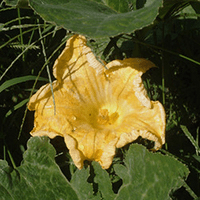
If you’re planting in ground, consider getting your soil tested.
- Pumpkins like nutrient-rich soil, so depending on the existing nutrient content of the soil, you may need to fertilize throughout the growing season with an appropriate fertilizer.
Choose wisely
Most pumpkins grow best in cooler temperatures and drier air, usually in late winter, so UF/IFAS recommends growing pumpkins in early spring after the last frost (March and April). Additionally, they can be successfully grown in the fall, with freeze protection.

Varieties to Grow in Florida
Pumpkins, also known as squash, come in a variety of types that are each suited for different uses. Whether you’re carving a jack-o’-lantern, making a delicious recipe, or adding natural autumn decor to your garden or landscape, selecting the right pumpkin is essential for achieving the best results.
There are several ‘heat-tolerant’ varieties that are better options in Florida’s climate. Let’s review a few:
For Jack-O’-Lanterns, the best varieties to grow in Florida include:
- ‘Howden’ (best for Central Florida)
- ‘Jackpot’ (best for Central Florida)
- ‘Atlantic Giant’
- ‘Big Max’
- ‘Big Moon’
(These pumpkins grow rather large, possibly up to 200 pounds!)
- ‘Funny Face’
(This is a smaller semi-bush plant, good for growing in small gardens)
- ‘Jack O’Lantern’,
- ‘Spirit’
For recipes, the best varieties to grow in Florida include:
- Seminole Pumpkins
The vines are on the smaller side, up to 25 feet. Seminole pumpkins are typically ready to harvest in 120-150 days and can grow to 6-12 pounds. While generally pale orange, these tasty pumpkins come in different shapes and colors, but all taste the same. The pulp of the Seminole pumpkin is smooth and dense with a sweet, nutty, rich flavor. A young fruit can be eaten like an apple, with the skin on. The flowers and seeds are edible, too. Add the flowers to a salad raw or cook them.
- Read more about cooking with pumpkins.
- Read more about Seminole pumpkins.
These pumpkins have a natural resistance to heat, humidity, pests and diseases (like powdery mildew) that other pumpkins don’t. So, this is a good variety to plant in early July for a pumpkin harvest in late October. If you are growing for food value, UF/IFAS recommends thinning to 2 pumpkins per plant in most cases to ensure larger, higher-quality fruit and to avoid vine stress.
For ornamentals, the best varieties to choose to grow in Florida include:
For those who appreciate the appearance of pumpkins, or wish to create a natural fall visual in the garden, these varieties can be established as ornamentals:
- ‘Munchkin’
- ‘Sweetie Pie’
- ‘Buskin’
- ‘Minijack’
- ‘Jack-be-Little’
These miniature varieties grow only a few inches in diameter and can add some seasonal charm in the garden.
Seasonality, Pests, and Diseases
Common Pests
Common Diseases

Pumpkins can struggle with pests and diseases, especially in the summer. The hot, humid conditions invite issues like pests and diseases, which can stress the plant and lead to reduced growth and smaller fruit. Read more here: Professional Disease Management Guide for Ornamental Plants.
To lower the risk of pests and diseases:
- Use mulch to help maintain soil moisture and reduce weed growth
- Water at the base of the plant, avoiding leaves and stems
- Scout regularly
- Implement Integrated pest management, or IPM
- Know your Beneficial Insects
Harvest
Although it depends on the type of pumpkin you plant, most varieties mature in about 4 months. So, for pumpkins to be ready in time for the end of October, plan to plant them in early July.
Once harvested, pumpkins can be stored in a cool, dry place for up to a year.
Recipe
Ingredients:
- Pumpkin seeds
- Oil
- Salt (optional)
- Spices (optional)
Directions:
- Toss the seeds in oil and salt until they are coated.
- Spread them flat on a baking sheet.
- Preheat the oven to 250°F. Bake for 10-15 minutes, or until golden brown
- Remove the seeds from the oven and add spices of your choice to the warm seeds.
Learn now how to make Seminole Pumpkin Pie and Puree.
Disclaimer: Pulp left at room temperature for more than 2 hours may not be safe. The mention of edibility and consumption is for educational purposes only and does not imply an endorsement to consume or safety for all individuals. Always follow food safety protocols. Please consult a licensed health professional before consuming pumpkin.
Have a question?
For more information, contact your local county Extension office.
More Resources
Pollinator info
- Who Are the Pollinators
- Parts of a Flower
- Florida Bee Garden Tool — Florida-Friendly Landscaping™
- Gardening for Bees
Pest Management
- The Basics of Pesticides
- Integrated Pest Management (IPM)
- Natural Pest and Disease Management
- Pesticide and Fertilizer Disposal
- Pesticide Labels
- Pesticide Types
 2
2