If you’ve struggled to grow good vegetables in Florida and you happen to be from up North, you’re not alone. Or maybe you just got into gardening and don’t know where to start. One determining factor of success is knowing when to plant what. You’ve probably got your ‘where’ figured out. This article will discuss some basic information on when to plant in Florida’s unique growing season.
Our Growing Seasons
Florida generally has two seasons important to vegetable gardening: a warm season (April – October) and a cool season (November – March). You could go even further to say summer (June-Aug) is the off-season, where not much grows and most farmers and gardeners take a break. It’s just too hot.
During Florida’s Summer off-season, Farmer’s markets may shut down or become devoid of fresh produce much to the surprise of our recent northern transplant friends. Shouldn’t summer have an abundance of fresh vegetables? Not really! The heat becomes so oppressive most conventional vegetables fail to thrive. Could you survive without air conditioning in summer in Florida?
November – April is our peak season for fresh vegetables with October and May also providing good abundance. If you want greens in the summertime, it’s best to pass up your generic spinach and kale for Molokhia, Okinawa spinach, and amaranth which do much better here. Summer is also the time for tropical fruits!
When to Plant
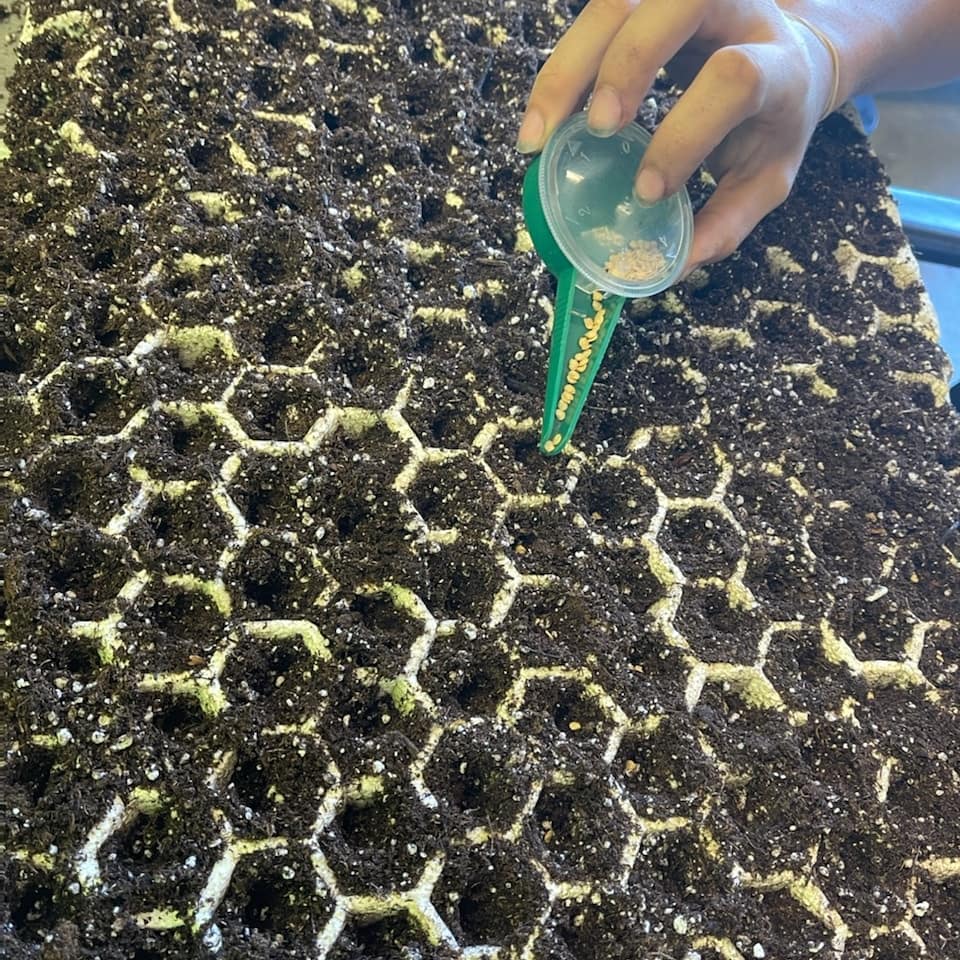
Cool season vs warm season refers to when they are harvested. Cool season vegetables are harvested in December – February. Warm season vegetables are harvested April, May, October, November.
Most vegetables take 2-3 months from transplant or direct seed to harvest. With that in mind, you can back track from the day you want to harvest to the date that crop should be planted. The seed packet will tell you the number of days to harvest.
Warm season veggies include: tomatoes, summer squash, zucchini, green beans, eggplant, peppers, okra, and sweet potatoes
Cool season veggies include: Lettuce, carrots, radishes, broccoli, cabbage, peas, onions, and kale.
An Example:
Cherry tomatoes (a transplanted crop) take 60 days from transplant to first harvest. As a warm season crop, plan to harvest it beginning of November or April. Since tomatoes are harvested several times, one planting should cover your needs for 4-8 weeks.
November 1st harvest – 60 days growing time = September 2nd planting date.
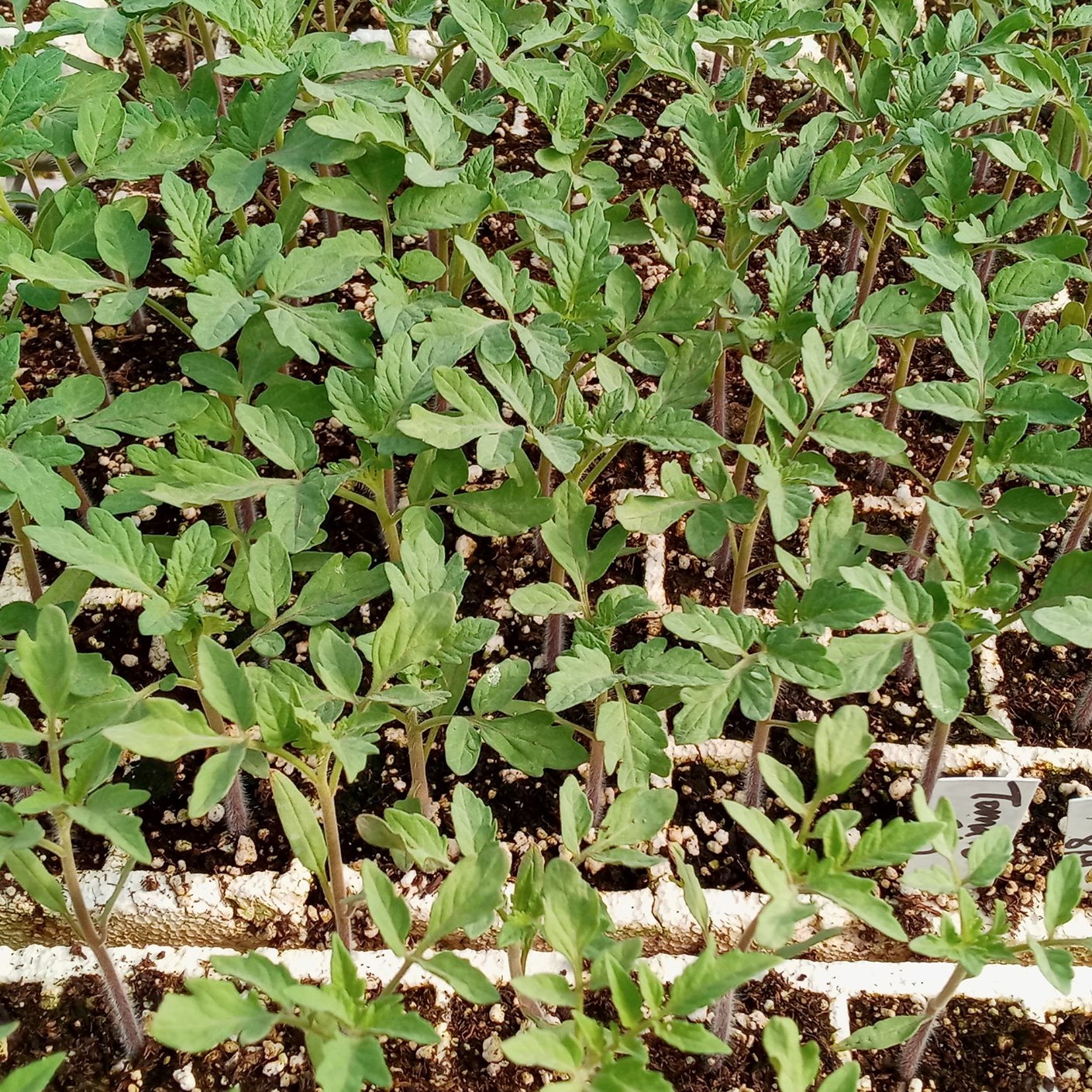
Transplants take 28-30 days or 4 weeks to grow from seed, so September 2nd – 28 = an August 5th seeding date.
You’ll find September is a heavy planting month for farmers and gardeners in Florida. Summer is ending and the time is just right to get a crop of warm season vegetables in before potential winter frosts.
Cool season example:
Broccoli takes 66 days from transplant to harvest. Broccoli is best harvested mid-December – end of March. Heading broccoli is cut once for a single harvest so it should be planted every or every other week for a continuous supply.
December 15th Harvest – 66 days growing time = October 10 planting date. Subtract 28 days for transplants = September 12th seeding date.
As you can see, as you plan for more and more vegetables and all their succession plantings, it becomes more and more difficult to keep track of everything. This is where a written or computer crop plan can come in handy. With Microsoft Excel or Google Sheets you can plug in desired harvest dates and a simple formula will calculate your planting dates for you.
If creating your own crop plan is not your jam, UF/IFAS has a Florida Vegetable Planting Guide. Table 1 tells you what month to plant each vegetable, depending on if you are North, Central, or South Florida. That way, you can go month by month and just plant whatever’s suitable that month!
 1
1