Tomato Blight: What Growers Need to Know
Tomato blight is a term gardeners use for serious fungal diseases that can attack tomatoes and sometimes related crops like potatoes. The most urgent form for Florida gardeners is late blight, Phytophthora infestans. Late Blight can spread quickly under the right conditions.
What Causes Blight?
Blight thrives when weather is cool and wet – Florida winter. Florida’s high humidity, rain, heavy dew, and foggy conditions help Phytophthora infestans spores survive and spread.
This pathogen can rapidly affect foliage and fruit. It can destroy plants within days if not spotted early. So daily scouting is a must. The symptoms of Late Blight can appear on any part of the plant, not just lower leaves.
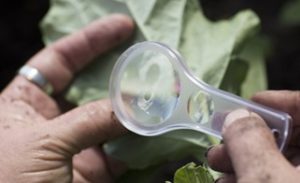
How to Spot Late Blight:
Look for:
- Water-soaked, irregular leaf spots that may turn brown or purplish
- White, fuzzy growth on leaf undersides in moist mornings
- Lesions on stems that may make them brittle
- Rapid spread to fruit, especially in wet conditions
It’s helpful to know the common signs of fungal diseases. For example, “Early blight” or Septoria leaf spot, shows up as concentric rings on lower leaves.
What You Can Do
- Scout Regularly
Check your tomato plants often when weather is cool and damp. Catching problems early gives you options. - Improve Airflow & Drying
- Space and stake plants so leaves dry quickly
- Water at the soil line not overhead. Mornings are the best time to water. The rising sun will dry moisture from the leaves before spores can grow.
- Remove Infected Material
Remove diseased leaves quickly. Dispose of diseased leaves in a plastic bag in the trash. This removes possible infection from your landscape. DO NOT compost disease-infected leaves. - Consider Disease-Resistant Varieties
Planting blight-tolerant tomato varieties can reduce the risk each season. Extension resources can help identify disease-resistant cultivars suited to your area. - Fungicides Options and Labels
For severe late blight pressure, preventative fungicide applications may be recommended. Always follow the label instructions!
Plan Ahead
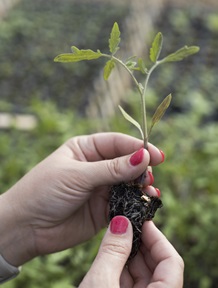
Blight often shows up when conditions are favorable. Planning your garden layout, selecting resistant varieties, and managing watering practices now can help you be ready before disease pressure peaks.
Late Blight of tomatoes and potatoes is best managed by catching symptoms early. Local Extension offices can help with diagnosis if you’re unsure what a lesion is.
UF/IFAS Extension Indian River County
1800 27th Street
Vero Beach, Florida 32960
(772) 226-4324 Master Gardener Plant Help Desk
For more information on Late Blight scouting and treatment:
https://ask.extension.org/kb/faq.php?id=912810
https://www.usda.gov/about-usda/news/blog/tomato-plant-diseases-and-how-stop-them.
https://extension.psu.edu/tomato-potato-late-blight-in-the-home-garden.
 0
0