Mosquitoes are more than just a summertime winged menace; they can have a lethal impact on humans and our pets. Known for spreading diseases like malaria, dengue, and Zika among humans, these tiny insects also pose serious threats to our pets and backyard livestock. From heartworm in dogs and cats to avian pox in chickens and Japanese encephalitis in pigs, mosquitoes are silent invaders that can wreak havoc across species. As climate change and urbanization expand mosquito habitats, the risks to both human and animal health are growing. We’ll explore how mosquitoes impact our domestic companions and what you can do to protect them from this winged menace.
Dogs: Loyal Companions at Risk
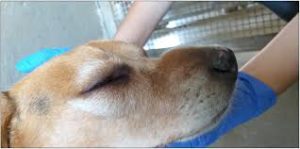
For many families, dogs are more than pets—they’re cherished members of the household. But their loyalty and love can’t protect them from one of the most insidious threats in the environment: mosquitoes. The most well-known danger is heartworm disease, a potentially fatal condition caused by parasitic worms transmitted through mosquito bites. Once infected, dogs may show signs like coughing, fatigue, and weight loss, and treatment can be costly and complex.
Beyond heartworms, dogs can suffer from mosquito bite hypersensitivity, leading to itchy welts, skin infections, and behavioral changes due to discomfort. Outdoor dogs, especially those in warm, humid climates like Florida, are at higher risk. Preventive medications, mosquito-repelling ointments, and environmental control (like removing standing water) are essential tools in keeping our canine companions safe.
Cats: Silent Sufferers Rely on Prevention
Cats may seem more independent, but they’re just as vulnerable to mosquito-borne diseases. While cat heartworms are less common than dogs, it’s often more dangerous. Cats can develop severe respiratory symptoms or even die suddenly from just a few worms. Because there’s no approved treatment for heartworm in cats, prevention is critical.
Additionally, cats, especially those with outdoor access, can suffer from mosquito-bite dermatitis, which causes painful skin lesions, particularly around the ears and nose. Even indoor cats aren’t entirely safe, as mosquitoes can easily enter homes through open doors or windows. Using screens, keeping cats indoors during peak mosquito hours (dusk and dawn), and consulting vets about safe repellents can help reduce their risks.
Backyard Companions Under Siege
Chickens and potbellied pigs may be staples of the backyard homestead, but they’re increasingly vulnerable to mosquito-borne threats. For chickens, diseases like avian pox, are spread by mosquito bites. It causes painful lesions and respiratory issues, often leading to reduced egg production and flock stress. Even when not transmitting disease, mosquitoes can cause chronic irritation, weakening chickens’ immune systems and making them more susceptible to other infections.
Potbellied pigs, on the other hand, play a more complex role in mosquito-borne disease ecology. Although Japanese encephalitis virus (JEV) is not in United States, international travel may play a role in movement of the Culex mosquito which is the virus pathogen’s host. Potbellied pigs are susceptible to JEV, meaning they can harbor and multiply the virus without showing symptoms, increasing the risk of transmission to humans and other animals. Mosquito bites also cause skin irritation and behavioral changes in pigs. The stress mosquitoes induce can compromise their overall health. Just like chickens, pigs become more vulnerable to other illnesses.
Whether kept for companionship, eggs, or sustainability, these animals deserve protection from the winged menace that threatens their well-being.
Keeping the Winged Menace at Bay: Prevention Strategies
Protecting your pets from mosquitoes doesn’t require high-tech solutions, just consistent, thoughtful practices that reduce exposure and risk. Many of these effective strategies mentioned in our Mosquito Series 2 blog https://blogs.ifas.ufl.edu/hardeeco/2025/04/16/ditch-the-itch-tips-for-mosquito-season-in-florida/ is applicable across several species.
Environmental Control
- Eliminate standing water where practical: Buckets, troughs, plant saucers, and old tires are prime mosquito breeding grounds.
- Maintain areas around ponds, ditches, and wet lying areas.
- Clean animal enclosures regularly: Moist bedding and manure can attract mosquitoes and other pests.
- Use fans in barns and coops: Mosquitoes are weak fliers and avoid strong airflow.
Natural Repellents
- Plant mosquito-repelling herbs like citronella, lemongrass, basil, and lavender around animal areas.
- Essential oils (e.g., eucalyptus, cedarwood) can be used in diluted sprays—just ensure they’re safe for the species you’re treating.
Physical Barriers
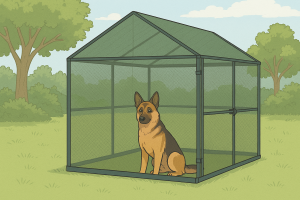
- Install screens or netting in coops, kennels, and pig shelters.
- Use mosquito-safe covers for outdoor pens and sleeping areas.
Veterinary Protection
- Heartworm preventatives for dogs and cats are essential and should be administered year-round.
- Keep vaccinations updated for livestock. Horses are vulnerable to Equine Encephalitis virus.
- Regular health checks help catch mosquito-related illnesses early.
Final Thoughts
The American Heartworm Society has a plethora of resources. Your local health department issues a report gathered from the results recorded through Mosquito Control Department’s Sentinel Chicken Program. This report has the prevalent mosquito-borne viruses in the area. Mosquitoes may be small, but their impact is anything but. By understanding the risks and taking proactive steps, you can protect your pets and livestock from the diseases and discomfort these winged menaces bring. Whether it’s a loyal dog, a curious cat, a flock of hens, or a potbellied pig with personality, every animal deserves a safe and mosquito-free space to thrive.
Stay Informed
Stay protected and informed by visiting our blogs or contacting your local UF/IFAS Extension office. UF/IFAS County Extension Directory
Related Blog Posts:
- Ditch the Itch: Tips for Mosquito Season in Florida https://blogs.ifas.ufl.edu/gcrec/2025/04/16/ditch-the-itch-tips-for-mosquito-season-in-florida/
- Mosquito Defense Guide: Sprays, Devices and Clothing Tips, Series 2 https://blogs.ifas.ufl.edu/gcrec/2025/06/18/keep-mosquitoes-away/
- Know your Enemy: The Diseases Mosquitoes Carry, Series 3 https://blogs.ifas.ufl.edu/gcrec/2025/07/25/know-your-enemy-the-diseases-mosquitoes-carry/
- Florida’s Flying Menace: What You Need to Know About Mosquitoes and the Diseases They Spread, Series 4 https://blogs.ifas.ufl.edu/gcrec/2025/08/27/tiny-nuisance-pests-carries-diseases-human-pets-and-wildlife/
- Buzzkill: Why You Should Check Mosquito Warnings Before You Book That Dream Destination, Series 5 https://blogs.ifas.ufl.edu/gcrec/2025/09/08/check-mosquito-warnings-before-you-book-that-dream-destination/
Need More Help? For more information on managing mosquitoes and other home pests, contact:
UF/IFAS Extension Hardee County
507 Civic Center Drive, Wauchula, FL 33873
(863) 773-2164
Lisa Hickey: lisa.hickey@ufl.edu
Jonael Bosques: jonael@ufl.edu
Resources:
https://www.heartwormsociety.org/veterinary-resources/american-heartworm-society-guidelines
Mosquito Management on Farms, UF/IFAS. Minimizing Mosquitoes on Your Farm.
Preventing Disease Transmission in Livestock and Poultry: Vectors – Mosquitoes
Zoonotic Flavivirus Exposure in Peri-Urban and Suburban Pig-Keeping in Hanoi, Vietnam, and the Knowledge and Preventive Practices of Pig Farmers. 2022 https://pmc.ncbi.nlm.nih.gov/articles/PMC9143339/
 0
0