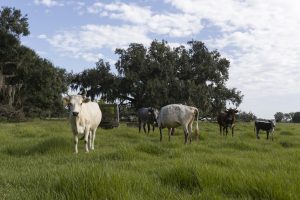
For much of the early to mid-1900s, Florida cattle ranchers faced a persistent adversary: the New World screwworm (Cochliomyia hominivorax). This pest, a flesh-eating fly, was infamous for its ability to cause devastating losses across livestock herds. Infected animals often suffered from painful, festering wounds, and without treatment, infestations could become fatal. After decades of hard work and collaboration between producers, universities, and government agencies, the United States was successful in eradicating of the screwworm in the 1960s. For more than half a century, Florida’s cattle industry has benefitted from this achievement. But recent developments in Central America remind us that this old enemy has not disappeared—it is simply waiting for the right opportunity to gain back the ground it had lost decades ago.
What makes the New World Screwworm a different foe?
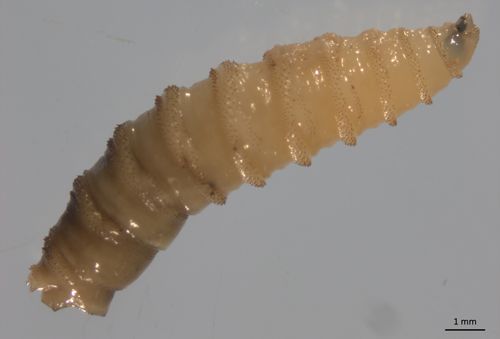
The screwworm is unlike most ectoparasites encountered in U.S. livestock operations. While other flies feed on secretions or decaying matter, female screwworm flies seek out open wounds on warm-blooded animals. Once found, they deposit their eggs, which quickly hatch into larvae (12-24 hours after laid). These larvae, for the next 5-7 days, will consume living tissue, leaving animals in extreme distress. Infested wounds attract additional flies, escalating the problem by providing ideal conditions for secondary infections to occur, which sometimes lead to death if untreated. In addition to cattle, screwworm infestations threaten other livestock, deer, and even pets, creating a wide host range of concerns. Historically, the fly’s range stretched from South America through Central America, but the mentioned eradication efforts confined it to regions south of the Panama Canal. If the pest crosses into Florida, the negative impact could reach both ranching operations and native wildlife populations.
Recent Screwworm Encounters: Florida Keys Outbreak
Florida recently faced a sobering reminder of this risk less than a decade ago. In 2016, screwworm was detecte
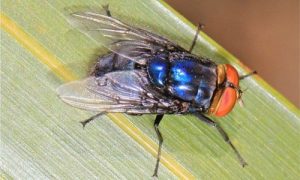
Picture Credit: Judy Gallagher.
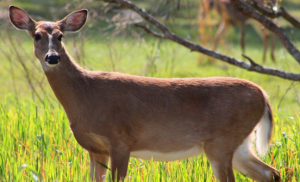
d in the Florida Keys, primarily affecting the endangered Key Deer population (origin of this outbreak is thought to be from endemic populations that still reside in Cuba). More than 130 of these endangered deer (15% of the total population) were lost before authorities launched an aggressive response that included animal inspections, veterinary treatment, and the Sterile Insect Technique (SIT). Through quick action and strong (but costly) coordination between state and federal agencies, the outbreak was contained and eliminated by 2017. That event proved how expensive and disruptive even a small introduction can be, and how vital preparedness remains for Florida cattle producers.
A Breach in Containment
Fast forwarding to early 2025, news broke that the screwworm had escaped its long-standing containment zone south of Panama. This event alarmed agricultural authorities, as the zone has served as the last line of defense for decades. Experts attribute the outbreak to several factors: One possible cause is a lapse in the sterile insect release program, which relies on a continuous stream of sterilized male flies to keep populations in check. Additionally, the movement of untreated livestock across borders may have carried infestations into new areas. Changing weather patterns, particularly warmer and wetter conditions, may also play a role in creating favorable environments for screwworm survival. Whatever the cause, the appearance of this pest outside of its expected range is a stark reminder that Florida is not immune to its reintroduction.
Combatting Screwworm with Technology
The United States has a powerful tool in its arsenal: the Sterile Insect
Technique. This method, developed in the mid-20th century, involves releasing millions of sterilized male screwworm flies into the environment. These males compete with fertile males to mate with wild females, but their offspring never hatch. Over time, the population collapses. SIT was central to the original eradication campaign and was successfully deployed again during the 2016–2017 Florida Keys outbreak. However, if screwworm populations were to establish themselves again in Florida on a larger scale, eradication would be costly, disruptive, and time-consuming. The economic toll on cattle producers could be staggering, and the ecological impacts on wildlife, such as deer herds, could be equally devastating.
Be Ready, be Vigilant
For now, the good news is that New World screwworm has NOT been reported in the United States, including Florida. That said, preparation is key. Cattle producers should regularly inspect their animals for wounds that do not heal or that appear to worsen despite treatment. Early detection is critical, as infestations can spread rapidly. Community members also play an important role. Pet owners should be attentive to injuries in dogs, cats, or horses, and hunters should report any suspicious wounds on wildlife. Suspicious cases should be immediately reported to the Florida Department of Agriculture and Consumer Services (FDACS), or a local veterinarian. Just as importantly, producers should avoid moving animals without veterinary oversight, since the transport of untreated livestock is one of the fastest ways pests can spread.
Protecting the herd and our wildlife
Florida’s cattle industry is one of the largest in the U.S. Our state’s thriving cattle industry is tied to the health of its herds. Protecting that success requires awareness, cooperation, and swift action towards environmental threats. While the New World screwworm has not yet crossed into U.S. borders, the recent outbreak south of Panama, and the Florida Keys incident just a few years ago are reminders that complacency is not an option. In cooperation, we can prevent the return of a pest that once caused so much harm to Florida’s livestock.
For further questions or guidance on this topic, contact UF/IFAS Extension Hardee County at (863) 773-2164 or visit our office at 507 Civic Center Drive, Wauchula, FL. Your Extension team is here to help protect your herds, your livelihoods, and your community through the power of science-based education.
Keep learning
New World Screwworm: Rise, Fall and Resurgence
USDA Announces Sweeping Plans to Protect the United States from New World Screwworm | USDA
 1
1