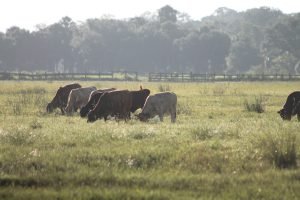
Summer in Florida isn’t for the faint of heart, and this year’s relentless heat waves have many of us watching cattle and pastures more closely than ever. When daytime temperatures climb into the high 90s with humidity following suit, our herds and our grass feel every degree. Let us take some time to look at what happens to our beef cattle under extreme heat. We will also spend a little time on how Bahiagrass fares in scorching soil. Finally, we will end up giving you some practical steps to reduce the economic impact of the rising temperatures on your livestock operation.
Cattle feel the heat
When cows and calves can’t shed heat fast enough, their body temperature rises, appetite falls, and weight gain slows. You may notice heavy panting, lack of grazing, and reluctance to move toward feeders or even waterers. Depending on genetics and the environmental conditions, the effects of heat stress can affect more than their appetite. It can also affect their reproduction in both males and females.
Reproductive implications
When cows are exposed to sustained heat, on some occasions this can result in them skipping heats or displaying weak behaviors (weak standing heat). This way, extreme temperatures can negatively affect conception rates. If a cow is in her early pregnancy stage, the embryo (first stages of life in unborn calves) is especially vulnerable due to a high body temperature in the cow, which can result in abortion due to developmental failure. In your herd this will manifest in calving intervals stretching out, which will eventually result in a reduction in next year’s profits. Bulls aren’t immune either: semen quality can suffer for weeks after the hottest days have passed. Extreme temperatures can affect sperm cell shape and movement, rendering the sire sterile for up to 60 days after being stressed due to excessive heat.
Make it more comfortable for your cows
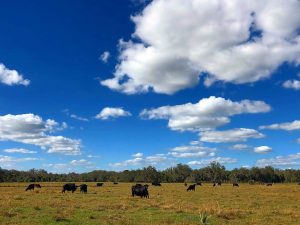
So how can we help our herd mitigate this hostile conditions? Maybe shade and water are your first line of defense. Simple steel shade structures or moving cattle to paddocks with wide-canopy trees can lower cattle body temperatures by 5 °F or more. Sprinkler systems with fans may be a good option too in smaller operations. What seasoned cattle producers do around these parts may be a little more sustainable though: they invest in appropriate genes by selecting the most suitable animals for our environment.
Breeding for the heat
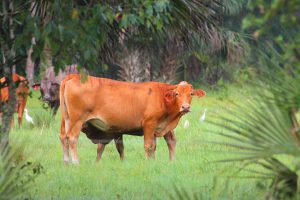
If you’re tired of racing the weather, look at genetics. Heat-adapted breeds and composites—Brangus, Brahman or Cracker crosses tend to hold conditions better than straight Bos taurus under our summer sun. They may not top the sale ring, but over time their steady growth, shorter coats and efficient temperature regulation mechanisms can mean more pounds sold.
Supplement their diet with minerals
Hot cows lose electrolytes faster, so magnesium, calcium and trace elements like zinc take on priority. Free-choice mineral blocks formulated for summer stress help maintain appetite, nerve function and immune defenses.
Forage in the Frying Pan
Truth be told, Bahiagrass is a great forage. It is our go-to species because it tolerates heat and drought better than most. In extreme conditions Bahiagrass can struggle. When soil temperatures at one-inch depth top 105 °F roots slow their growth, nutrient uptake stalls and new stands can fail before they’ve barely started. If you’re thinking of renovation, wait for that first cool spell after late-summer rains. Remember to sample your soils way before establishing new plantings so you can amend the soil according to what your plants will need.
Action Steps to think about
- Consider your elements. Plan to move cattle into shaded paddocks during extreme heat to avoid stress.
- A fall breeding season can help you reduce embryonic death by pushing your cattle to conceive during the cooler months. Culling (eliminating) cattle that get bred in late spring might help you shorten your breeding season.
- Consider trialing a few heat-tolerant bulls or females and compare their performance against your current herd. Bos indicus cattle were made for the heat.
• Delay pasture renovation until soil temps dip, then reseed just ahead of rain and keep fresh seedlings shaded.
Florida’s summer heat is only going to test us more in the years ahead. By pairing simple management—shade, water, minerals—with forward-thinking choices in genetics and pasture renovation timing, you’ll help your herd ride out the worst and keep your bottom line on track. If you need further assistance on this topic, don’t hesitate to reach out to us at 863-773-2164, or drop by UF/IFAS Extension Hardee County located at 507 Civic Center Drive, Wauchula, FL 33873. Stay cool!
Further reading
- Heat Stress and Beef Cattle – https://extension.psu.edu/heat-stress-and-beef-cattle
- Heat Stress and Reproduction in Beef Cattle | USU – https://extension.usu.edu/animalhealth/research/heat-stress-and-reproduction-in-beef-cattle
- Factors That Can Affect Bull Fertility – https://www.drovers.com/news/beef-production/factors-can-affect-bull-fertility
- Mineral Supplements for Beef Cattle | UGA Cooperative Extension – https://extension.uga.edu/publications/detail.html?number=B895&title=mineral-supplements-for-beef-cattle
- SS-AGR-332/AG342: Bahiagrass (Paspalum notatum Flüggé): Overview and Pasture Management
 0
0