You’ve booked your dream vacation, packed your bags, and landed in paradise — only to discover it’s a dengue fever hotspot. Mosquito-borne diseases like dengue, Zika, chikungunya, and malaria are no longer confined to specific regions. Their spread is fueled by global travel, rapid urbanization, and shifting climate patterns. As these diseases expand their reach, staying informed before you travel is more important than ever. So, how can travelers protect themselves before takeoff?
It all starts with one simple step: checking travel advisories.
How to find advisories
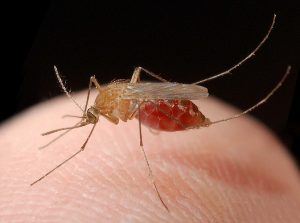
Before booking your dream destination, take time to research mosquito-borne disease risks. Several trusted organizations provide up-to-date, destination-specific health information:
- Centers for Disease Control and Prevention (CDC)
The CDC offers a searchable database where you can enter your travel destination to view current health advisories. It highlights areas to avoid, regions where non-essential travel should be reconsidered, and provides recommended precautions for diseases like dengue, Zika, and malaria.
CDC Travel Health Notices - World Health Organization (WHO)
WHO provides a global overview of health threats, including disease outbreaks, natural disasters, and other emergencies. This is especially useful for travelers visiting multiple countries or regions.
WHO Newsroom & Updates - Local Government Sources
Local health departments often issue region-specific advisories. In the U.S., travelers can check with individual state’s Department of Health. For international travel, it may require deeper research. For example, the European Centre for Disease Prevention and Control (ECDC) offers updates on mosquito-borne diseases across Europe.
ECDC Mosquito Disease Info
Start your research early. Some destinations have easily accessible updates, while others may require deeper research. When in doubt, begin with the CDC — it covers nearly every country and is a reliable starting point.
Interpreting risk levels
Once you’ve found travel advisories, the next step is understanding what they mean. Most organizations use a tiered system to communicate risk levels. Knowing how to interpret these levels can help with making informed decisions.
- Level 1: Practice Usual Precautions
This means there’s no unusual health risk in the area. Standard mosquito protection — like using repellent and wearing long sleeves — is recommended, but no major outbreaks are reported. - Level 2: Practice Enhanced Precautions
Indicates a higher-than-normal risk. There may be recent outbreaks of diseases like dengue or Zika. Travelers should take extra steps, such as avoiding outdoor activities during peak mosquito hours and staying in accommodations with screened windows or air conditioning. - Level 3: Reconsider Travel
Reconsidering your travel signifies a significant health threat. Non-essential travel should be reconsidered, especially for vulnerable populations like pregnant women or those with compromised immune systems. This level often accompanies active outbreaks or overwhelmed healthcare systems. - Level 4: Avoid All Travel
Rarely is this level used for mosquito-borne diseases, but possible in extreme cases. This level signals a severe and widespread health emergency.
Tip: Due to weather conditions, migration patterns, and public health interventions, risk levels can change quickly. Always check the date of the advisory and keep looking for updates days before your travel. Purchasing travel insurance for this reason is an additional layer of protection.

Prevention tips for travelers
Preventing mosquito bites while traveling isn’t much different from protecting yourself at home. A few simple steps can go a long way:
- Wear protective clothing: Long sleeves and pants help reduce exposed skin and lower the chance of bites.
- Use insect repellent: Spray clothing and exposed skin with EPA-approved repellents for an added layer of defense.
- Avoid peak mosquito hours: Mosquitoes are active mostly at dawn and dusk — plan indoor activities during these times.
- Stay behind screens: Socialize in screened-in areas or use mosquito nets when sleeping in high-risk zones.
Stay Informed
By all means, do not stop planning for your dream vacation. With some planning and precautions, you can make informed decisions for your dream vacation. Stay protected and informed by visiting our blogs or contacting your local UF/IFAS Extension office. UF/IFAS County Extension Directory
Related Blog Posts:
- Ditch the Itch: Tips for Mosquito Season in Florida https://blogs.ifas.ufl.edu/gcrec/2025/04/16/ditch-the-itch-tips-for-mosquito-season-in-florida/
- Mosquito Defense Guide: Sprays, Devices and Clothing Tips, Series 2 https://blogs.ifas.ufl.edu/gcrec/2025/06/18/keep-mosquitoes-away/
- Know your Enemy: The Diseases Mosquitoes Carry, Series 3 https://blogs.ifas.ufl.edu/gcrec/2025/07/25/know-your-enemy-the-diseases-mosquitoes-carry/
- Florida’s Flying Menace: What You Need to Know About Mosquitoes and the Diseases They Spread, Series 4 https://blogs.ifas.ufl.edu/gcrec/2025/08/27/tiny-nuisance-pests-carries-diseases-human-pets-and-wildlife/
Need More Help? For more information on managing mosquitoes and other home pests, contact:
UF/IFAS Extension Hardee County
507 Civic Center Drive, Wauchula, FL 33873
(863) 773-2164
Lisa Hickey: lisa.hickey@ufl.edu
Jonael Bosques: jonael@ufl.edu
 0
0