Understanding mosquitoes is the first step in protecting yourself from the diseases they carry. While the male mosquito buzzes around your ears, it’s the female that bites–seeking a blood meal to support egg development. Beyond being a nuisance, mosquitoes are dangerous disease vectors, capable of transmitting viruses and parasites to humans and animals.
What are Arboviruses?
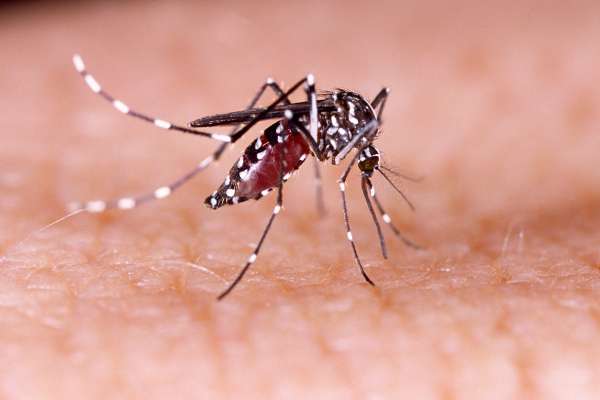
Mosquitoes are among several arthropods that transmit viruses known as arboviruses. This is short for arthropod-borne viruses. These viruses are spread by joint-legged organisms such as mosquitoes, midges, ticks, and sandflies. These vectors use specialized mouthparts for piercing, cutting, and sucking to transmit pathogens to vertebrate hosts.1
How Mosquitoes Transmit Disease
Despite their tiny size, mosquitoes can carry and transmit debilitating diseases. Here’s how it works:
- A mosquito feeds on an infected host and picks up a virus or parasite.
- The pathogen survives and reproduces inside the mosquito’s gut.
- When the mosquito bites another host, the pathogen is transmitted through its saliva.
This internal survival mechanism allows diseases to spread locally, nationally, and globally, especially through human travel. For example, a study in Connecticut found that six out of nine arboviruses isolated from mosquitoes were known to cause human diseases, even though they didn’t originate in the northeastern U.S.2
Global Origins of Mosquito-Borne Diseases
Each week, the Centers for Disease Control and Prevention (CDC) and the Florida Department of Health release reports on mosquito-borne diseases by county. Many counties participate in the Sentinel Chicken Program, which tests chickens for mosquito-transmitted diseases and reports findings to health officials.
Most mosquito-borne diseases originate from regions such as Africa, Southeast Asia, and South America.
For example:
- Chikungunya was primarily found in Africa and Asia.
- West Nile virus was first detected in Uganda in 1937.
Today, these diseases are found throughout North America.3
Travel Advisory
If you are traveling to regions where mosquito-borne diseases are common, check the CDC travel health advisories. CDC Travel Notices. The CDC provides updates on global health risks and protective actions. In severe cases, advisories may recommend avoiding travel to certain areas.
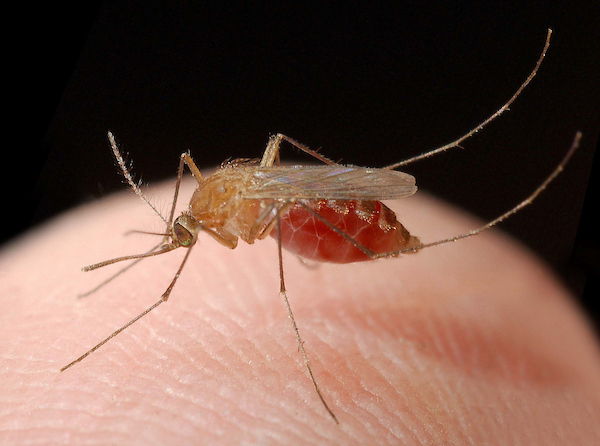
Mosquito-borne Diseases in Florida
Florida sees several mosquito-borne diseases, with Dengue and Malaria being the most prevalent. These diseases can be contracted locally or while traveling abroad. Over the past five years, these two diseases have appeared more frequently in county health reports than others.
Historical Context
Outbreaks of Dengue and Malaria were common in Florida until the late 1940s. The widespread use of air conditioning and screened windows significantly reduced mosquito exposure.
Prevention Tip: Install or repair screens on windows and lanais to keep mosquitoes out.
Other Diseases Reported in Florida
While less frequent, the following diseases can cause severe illness: Eastern Eastern Equine Encephalitis, St. Louis Encephalitis, and West Nile virus.
These diseases can affect humans, birds, and horses. Symptoms vary and may include:
- No symptoms
- Mild fever or headache
- Flu-like symptoms
- Severe cases: brain inflammation (encephalitis), seizures, or death4
Past Incidences
- Chikungunya: Last reported in Florida in 2014
- Zika virus: Last reported in 2016
- Yellow fever: Last reported in Bay County in 19185
Protect Yourself
Mosquitoes are most active at dusk, dawn, and near standing water. To reduce your risk:
- Avoid outdoor activities during peak mosquito hours.
- Eliminate standing water around your home.
- Use mosquito repellents and protective clothing.
If you experience symptoms such as high fever, purple rash, or other severe reactions4 after mosquito bites, seek medical attention immediately.
Stay Informed
Stay protected and informed by visiting our blogs or contacting your local UF/IFAS Extension office. Next month’s article will explore the connection between specific mosquito species and the diseases they carry.
Related Blog Posts:
- Ditch the Itch: Tips for Mosquito Season in Florida https://blogs.ifas.ufl.edu/gcrec/2025/04/16/ditch-the-itch-tips-for-mosquito-season-in-florida/
- Mosquito Defense Guide: Sprays, Devices, and Clothing Tips, Series 2 https://blogs.ifas.ufl.edu/gcrec/2025/06/18/keep-mosquitoes-away/
Need Help? For more information on managing mosquitoes and other home pests, contact:
UF/IFAS Extension Hardee County
507 Civic Center Drive, Wauchula, FL 33873
(863) 773-2164
Lisa Hickey: lisa.hickey@ufl.edu
Jonael Bosques: jonael@ufl.edu
Resources:
1 Arboviral Diseases, Neuroinvasive and Non-neuroinvasive 2015 Case Definition. National Notifiable Diseases Surveillance System. 2015. https://ndc.services.cdc.gov/case-definitions/arboviral-diseases-neuroinvasive-and-non-neuroinvasive-2015/#:~:text=Arthropod%2Dborne%20viruses%20(arboviruses),breast%20feeding%2C%20and%20laboratory%20exposures
2 Mosquito-Transmitted Diseases in Connecticut. https://portal.ct.gov/mosquito/diseases/mosquito-transmitted-diseases#:~:text=Certain%20mosquitoes%20can%20harbor%20and,some%20parts%20of%20the%20world.
3 Florida’s mosquitoes can make you sick: Here’s how to protect yourself. 2024. https://epi.ufl.edu/2024/05/01/floridas-mosquitoes-can-make-you-sick-heres-how-to-protect-yourself/#:~:text=Dengue%2C%20malaria%20top%20list%20of,IFAS%20Photo %20by%20James%20Newman
4 Centers of Disease Control and Prevention. 2025. https://search.cdc.gov/search/?query=mosquito%20borne&dpage=1
5 Yellow Fever. https://www.baycountyfl.gov/247/Yellow-Fever
6 Fighting to End Infectious Disease. 2025. https://epi.ufl.edu/
 0
0