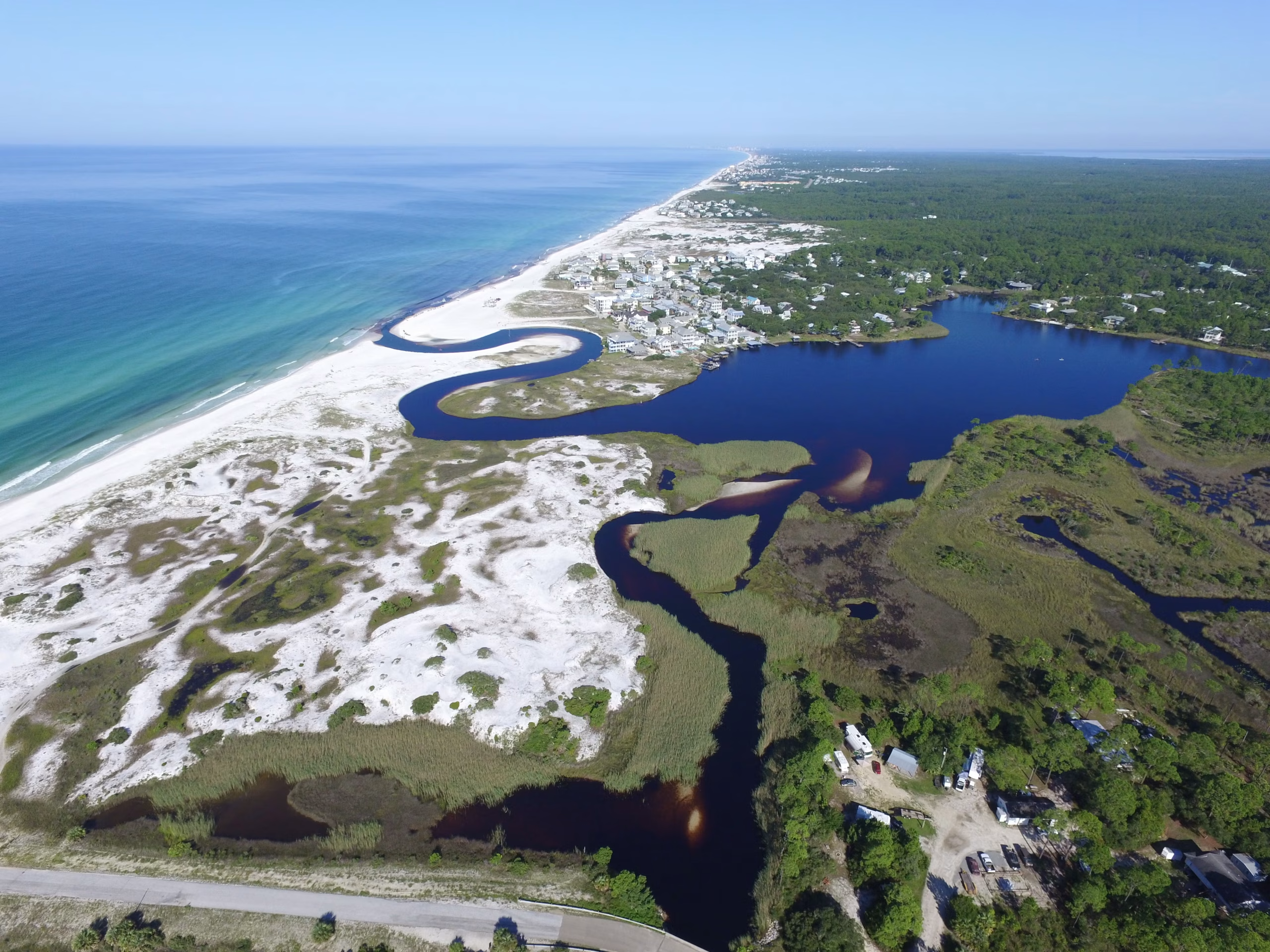
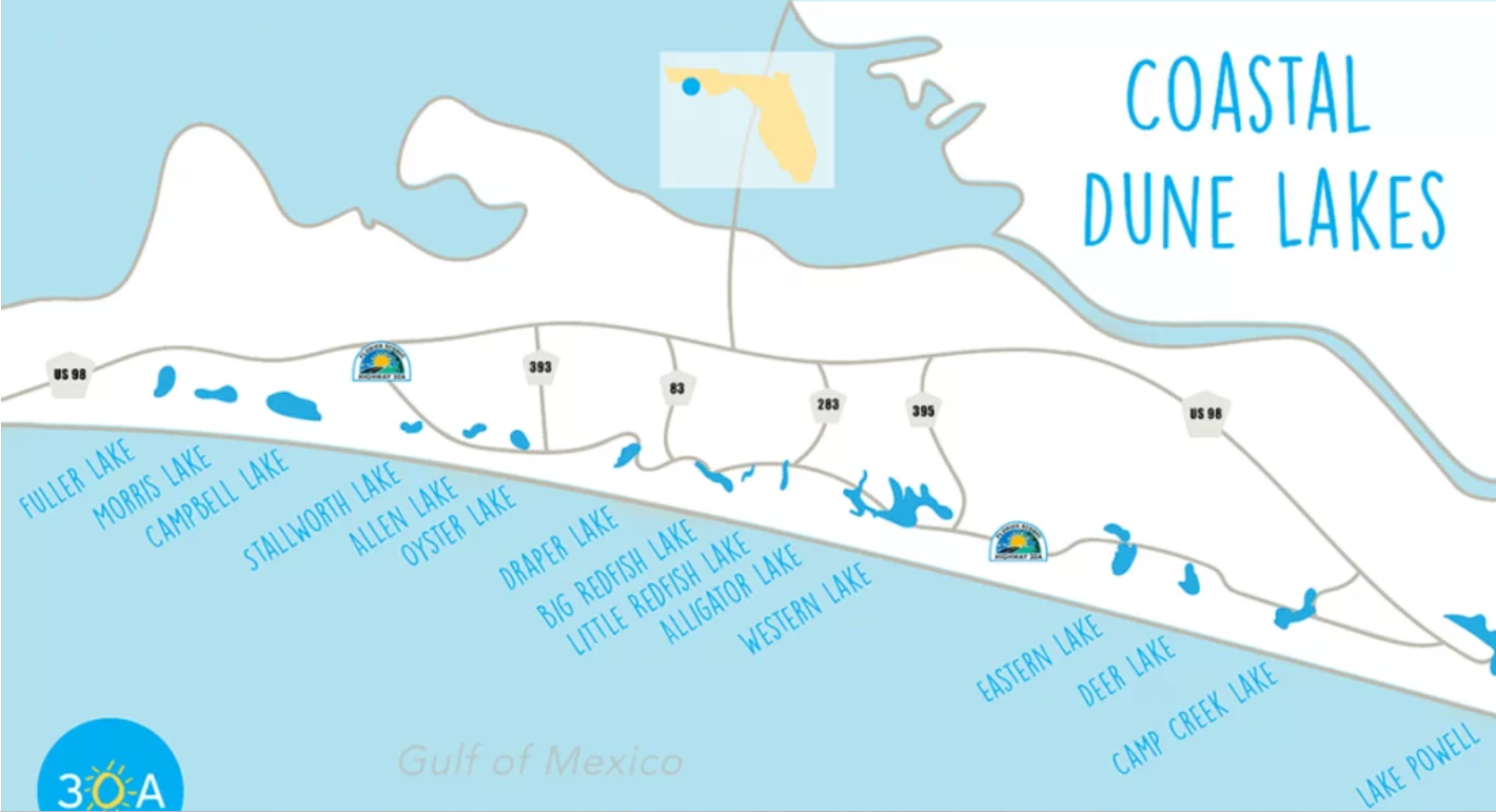
Formed at the edge of freshwater and salt, dense forest and open water, scrubby dune and open marsh, the diversity along and within coastal dune lakes is tremendous. Coastal dune lakes are shallow, irregularly shaped, permanent bodies of water found within two miles of the coast. South Walton and Bay counties are home to 19 of these lakes, among the rarest geological formations in the world. While low-lying interdunal swales holding water are not unheard of in coastal areas (including at Ft. Pickens in Pensacola Beach), lakes this large are quite unusual. The lakes along 26 miles of coastline in Walton County average 85 acres, and this string includes the largest coastal dune lake in the country. Lake Powell straddles the county lines of Walton and Bay Counties, and is enormous at nearly 800 acres. There are a few dune lakes in other parts of the United States, including Oregon and South Carolina, along with just a handful of other countries—Australia, New Zealand, and Madagascar. What makes the northwest Florida dune lakes unique are the outfalls—routine openings in the freshwater lakes that link them directly to the Gulf.
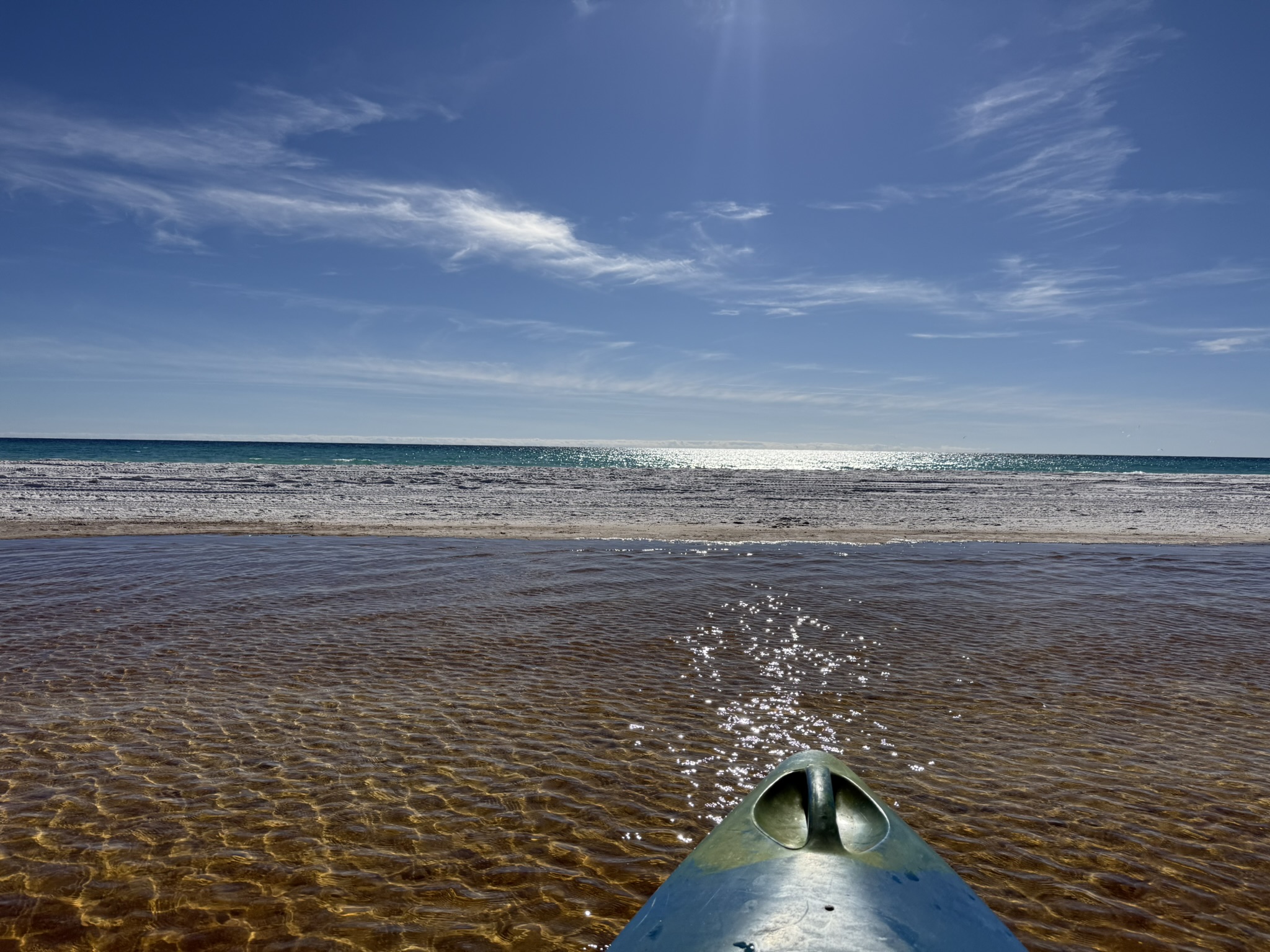
I’ve been lucky enough to visit these lakes a dozen times, but twice in the last six weeks I’ve helped give hiking and kayak tours of them to visiting Extension professionals. The first group was composed of Master Naturalist instructors from all over the country, while the second included instructors from all around Florida. Almost none of them had ever seen the dune lakes, so it was a great treat to show off our incredible waterways to visitors who deeply appreciated what they were seeing.
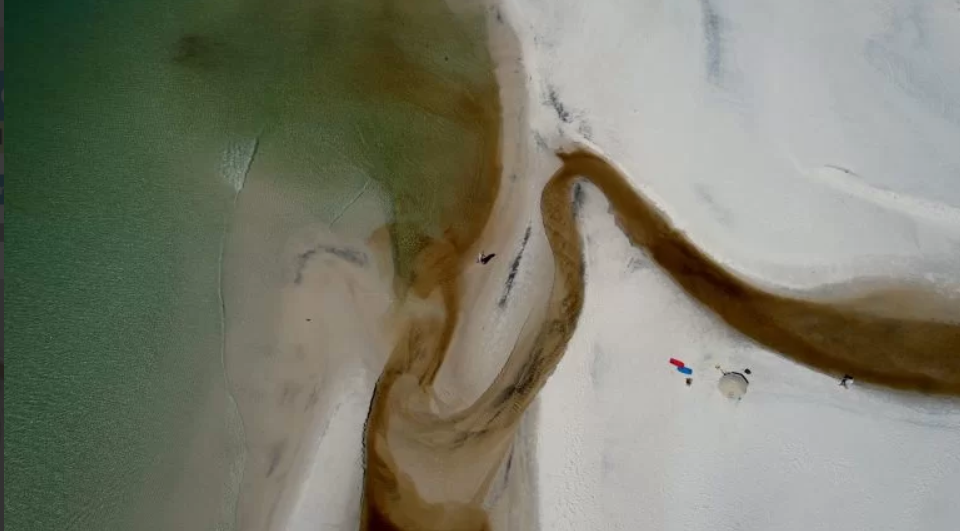
Geologically speaking, the dune lakes are not particularly old, with core samples showing they developed approximately 4,000-5,000 years ago. The lakes are nestled behind the coastal sand dunes, and fed by freshwater streams and rainwater. The are not deep—usually averaging 6 feet—and are beautiful places to paddle. The lake water is tannic, meaning it’s a clear brown from the tannic acids in nearby pine and oak forests that stain the water like tea. This brown coloration is rather dramatic when contrasted with the Caribbean-blue Gulf waters they flow into. Not every lake opens into the Gulf, but all of them can—frequency of connection between the lakes and saltwater ranges from .1 to 19 times per year. The openings occur with heavy rains, which push through the thin beachfront barriers, or if a coastal storm pushes up, over, and into the lakes.
With the proximity of freshwater to salt, salinity ranges widely, from purely fresh (0 ppt) to spikes of 25 and 35 ppt (seawater is 36). Due to this exchange of water, fish populations may vary from freshwater bass, bream, and catfish to saltier mullet, flounder, redfish, and speckled trout. Locals have even seen a handful of sharks make it into the dune lakes! Because of the varying salinity, if you decide to go fishing in one, you need both a freshwater and a saltwater fishing license.
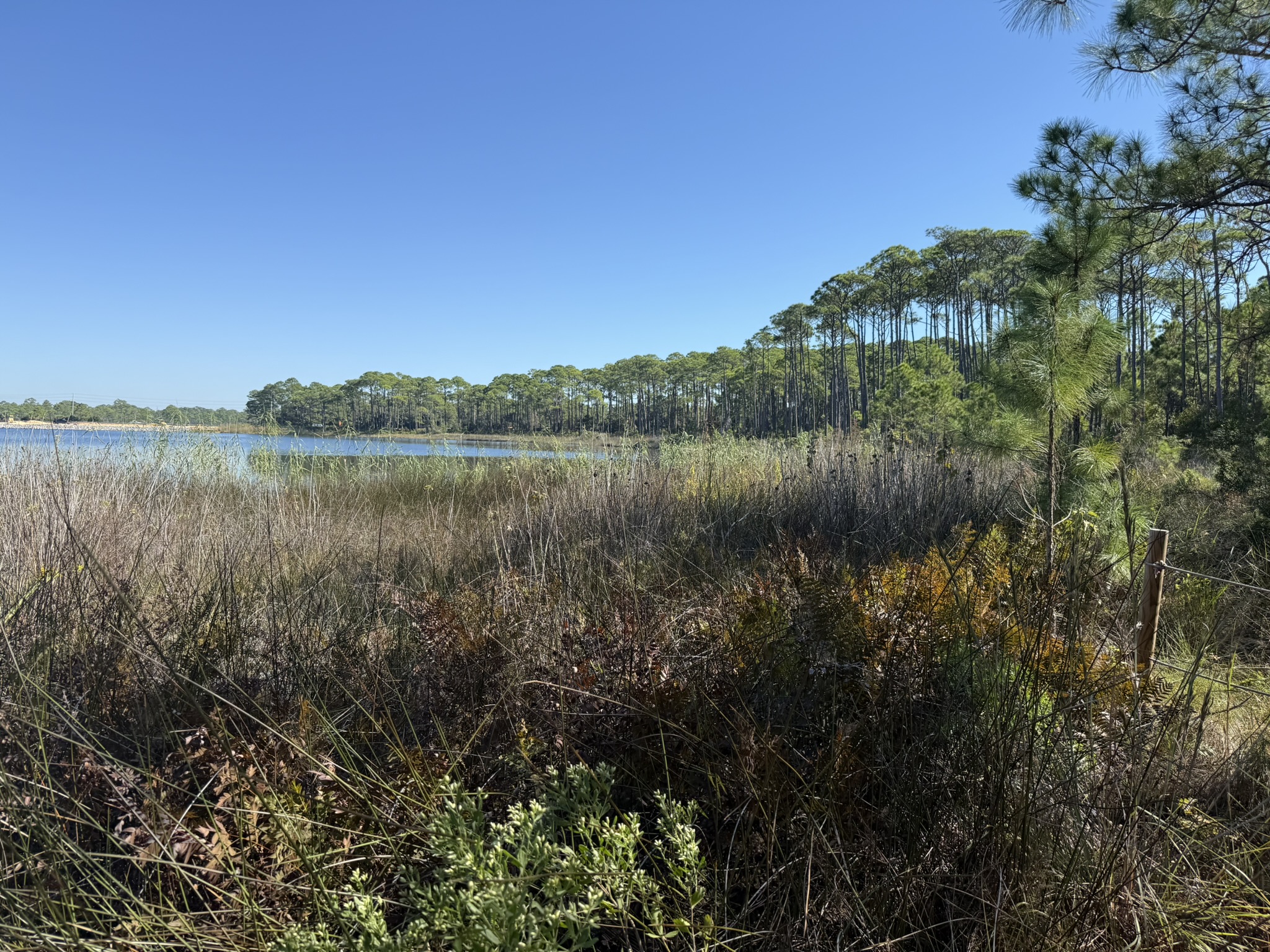
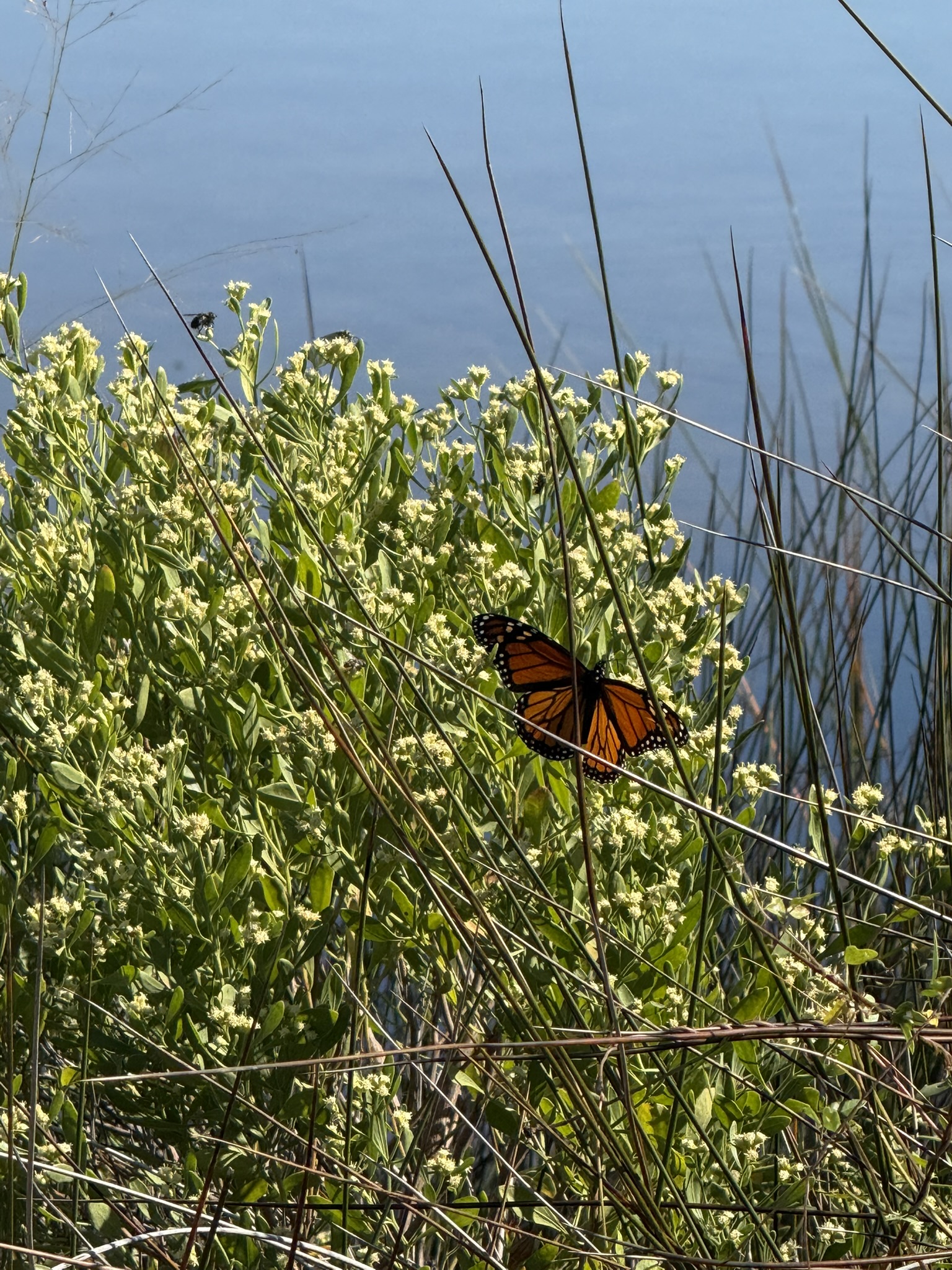
Vegetation along the lakeshores changes with salinity as well, with pine flatwoods, sandhills, and seepage slopes at the northern freshwater sources, and maritime hammock and mature dune plants at the coastal terminus. Freshwater wetlands cede into saltwater marshes as you head south. Diverse wildlife species are numerous, with aquatic and shorebirds, bears, alligators, crabs, rabbits, snakes, and mice. With upland, brackish, and coastal habitats, you may find gopher tortoises, diamondback terrapins, and/or sea turtles in the vicinity of a dune lake.
The smartly marketed Beaches of 30A have become wildly popular since the development of the walkable Seaside and Rosemary Beach communities, which are interwoven among the dune lakes. Thankfully, the lakes are a source of community pride and development restrictions and a citizen advisory board are in place to protect them. There are numerous state parks surrounding the lakes, as well, including Grayton Beach, Topsail Hill, Deer Lake, & Camp Helen State Parks, along with Point Washington State Forest, ensuring broad public access and protective ecological buffers.
 10
10