Recognizing plant-parasitic nematode symptoms in row crop fields
As the end of another growing season rapidly approaches for row crop farmers, the best opportunity to scout for plant-parasitic nematodes is also closing. Typically, the peak time for scouting is near harvest while plants are still growing as nematode populations are often greatest at this time. Gathering this information helps plan an effective nematode management plan for upcoming years.
This article will summarize common symptoms caused by three major plant-parasitic nematodes in Florida, root-knot nematode, sting nematode, and reniform nematode. Recognizing these symptoms helps guide subsequent sampling, which is needed for confirmation, and helps gauge crop damage. Soil or soil and root samples should be submitted to a professional diagnostic laboratory, such as the UF/IFAS Nematode Assay Laboratory. Detailed sampling instructions are provided at the Nematode Assay Laboratory website.
Root-knot nematode symptoms
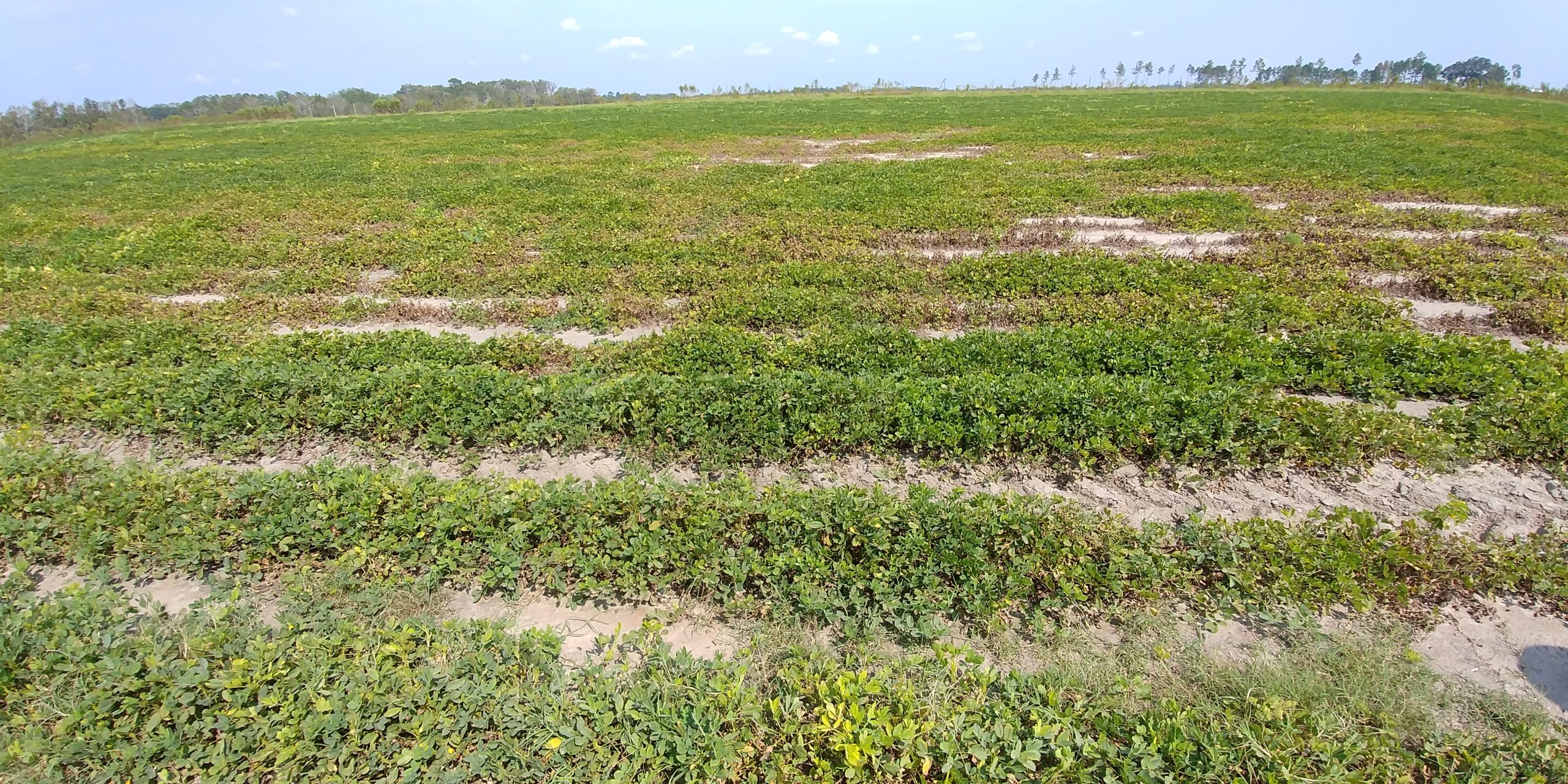
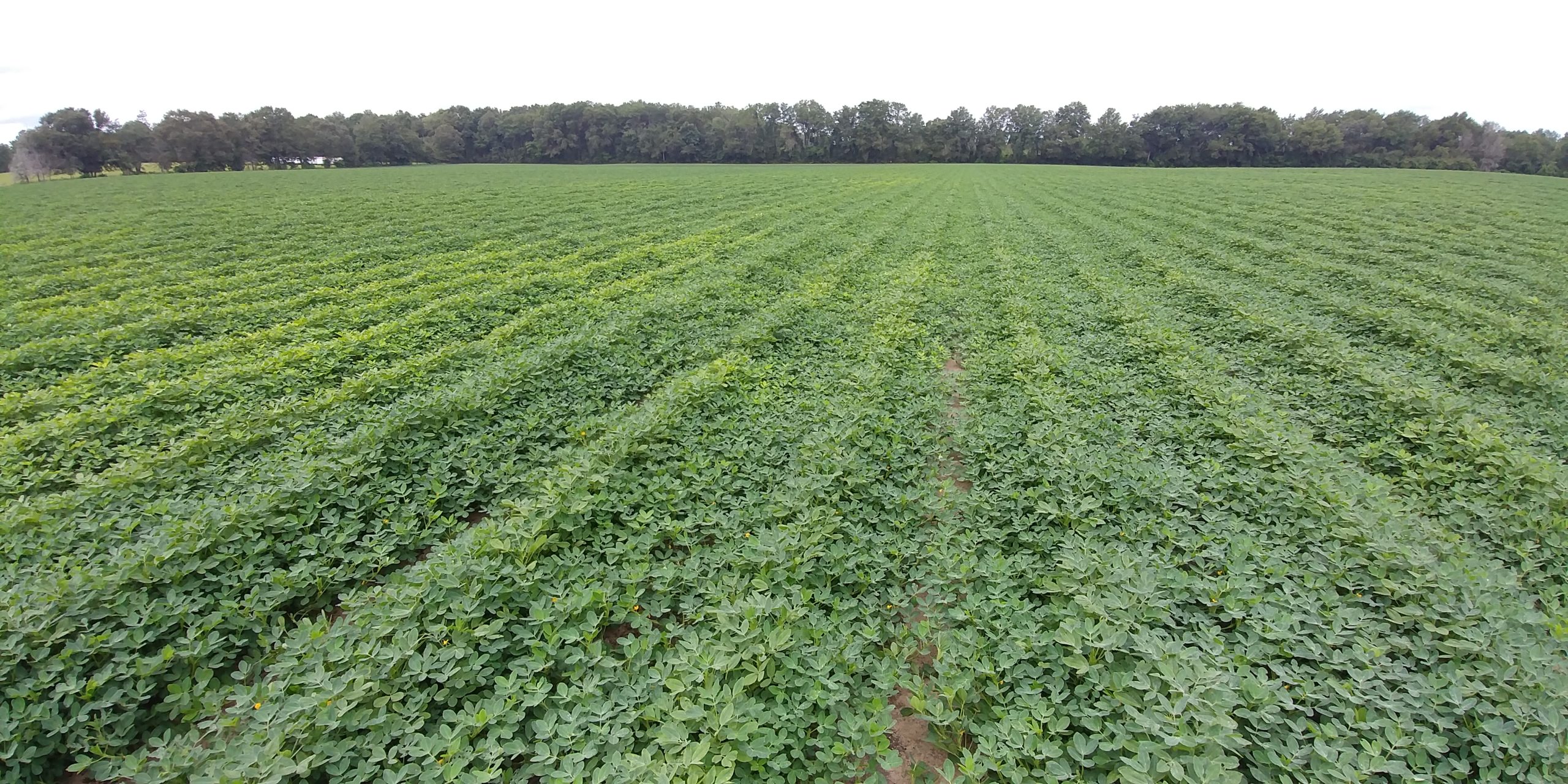
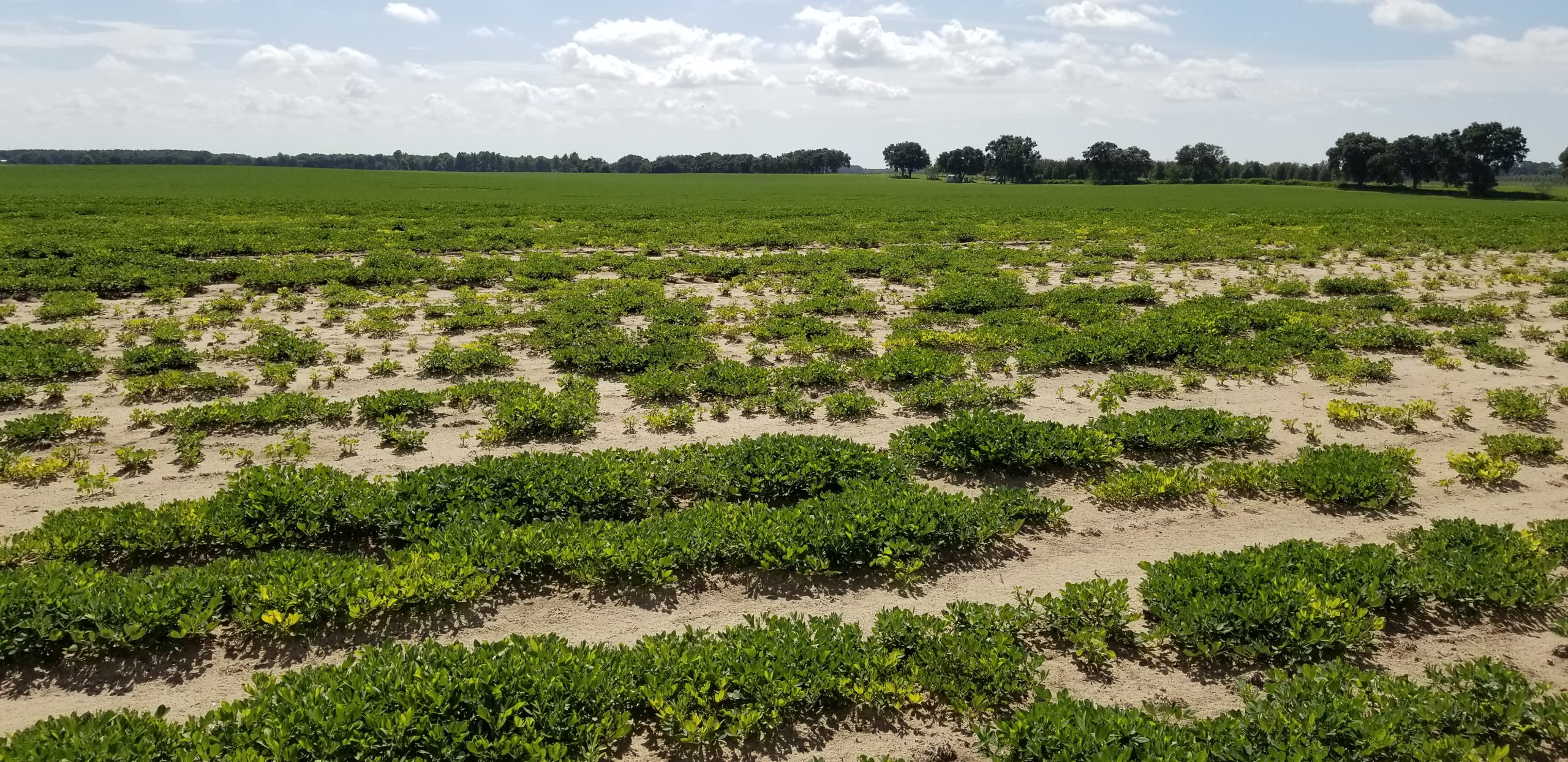
Root-knot nematode is common and damaging, and most crops are affected by one or more root-knot nematode species. Like most plant-parasite nematodes, damage from root-knot nematode visible on crop foliage typically occurs in patches (Figure 1). This damage is often noticed later in the year when nematode populations increase and crops may be under more environmental stress. Symptoms vary in severity and may include slight yellowing (Figure 2), stunting, wilting, and death of individual leaves or the whole plant (Figure 1).
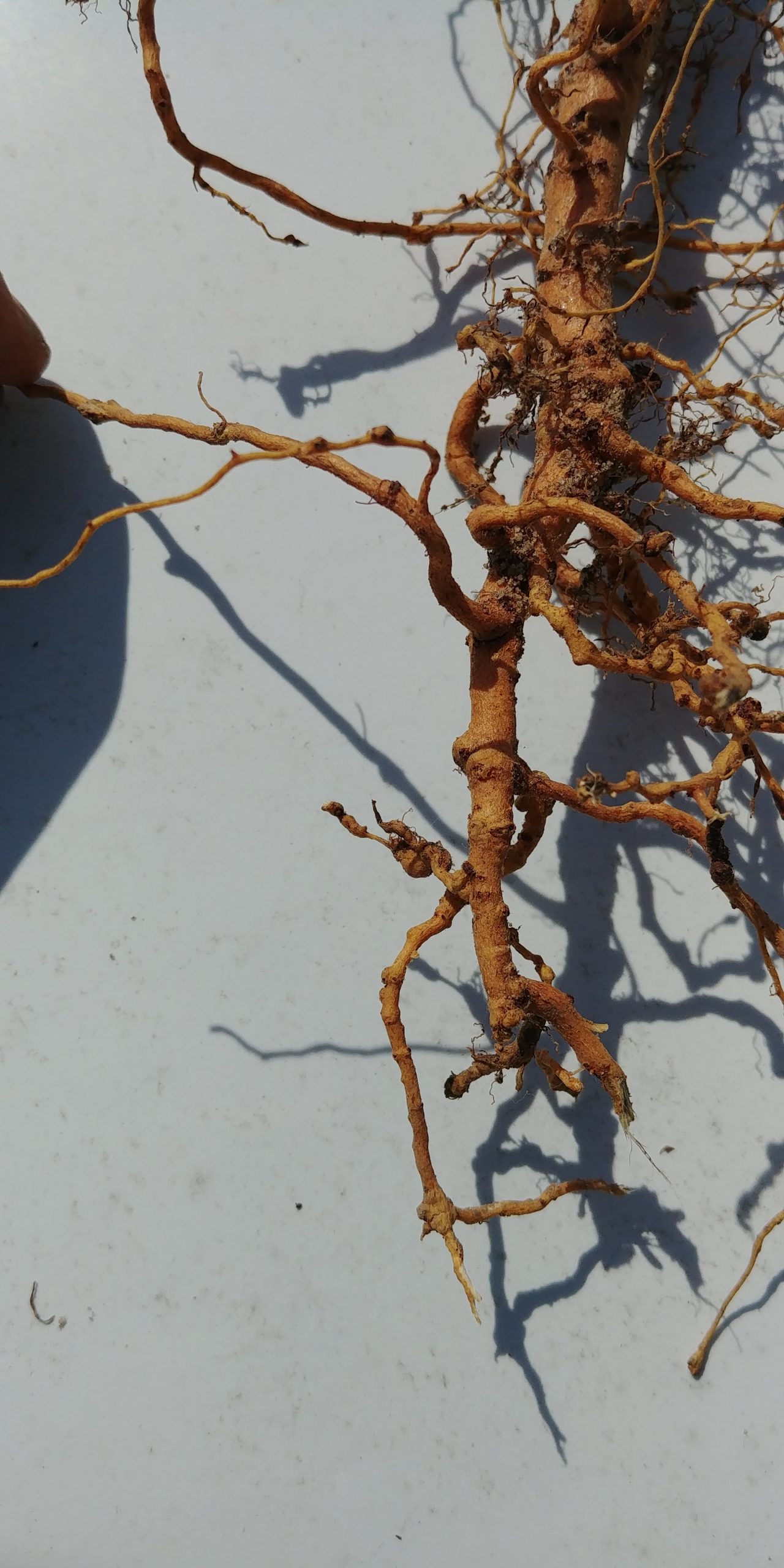
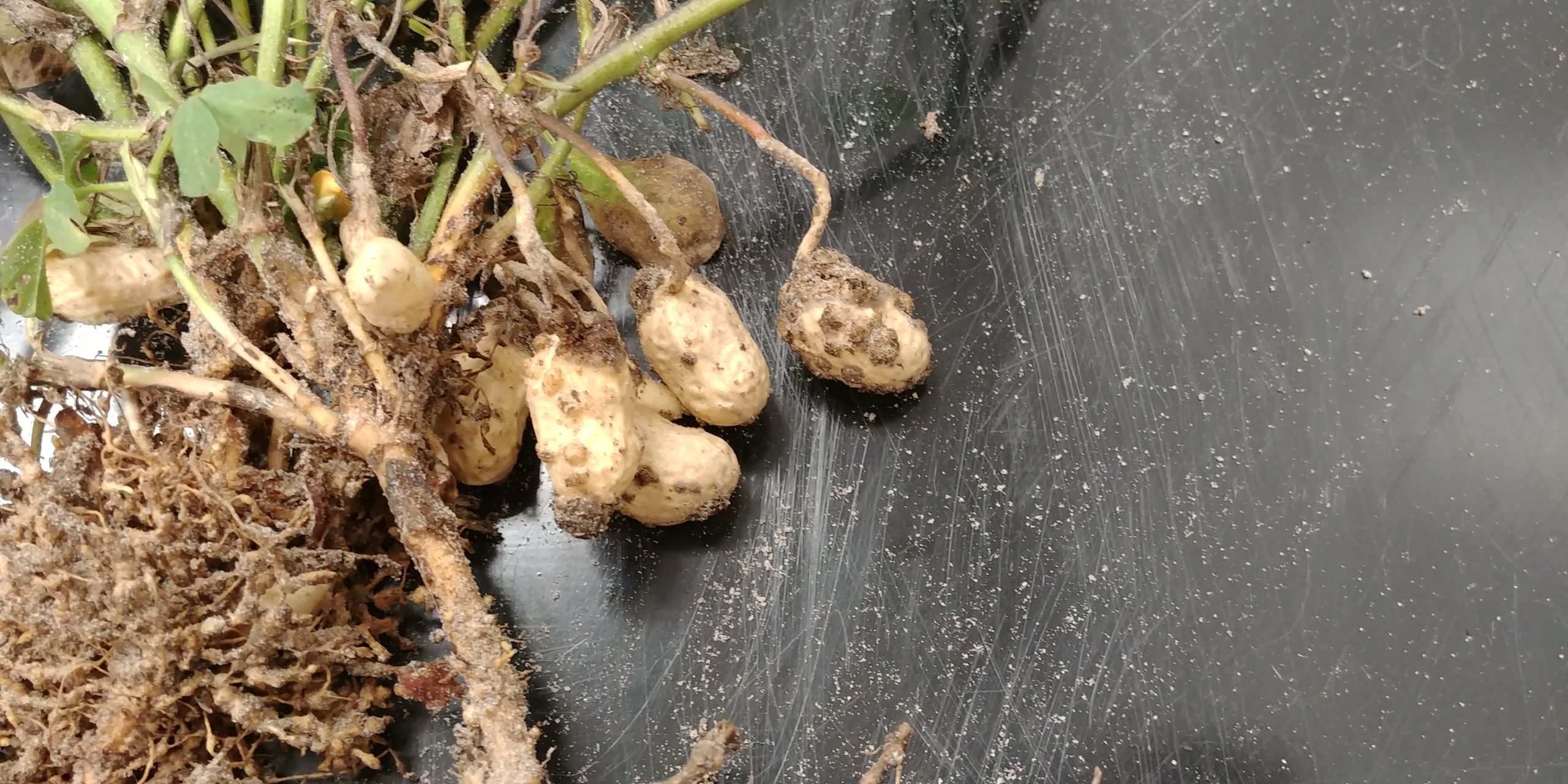
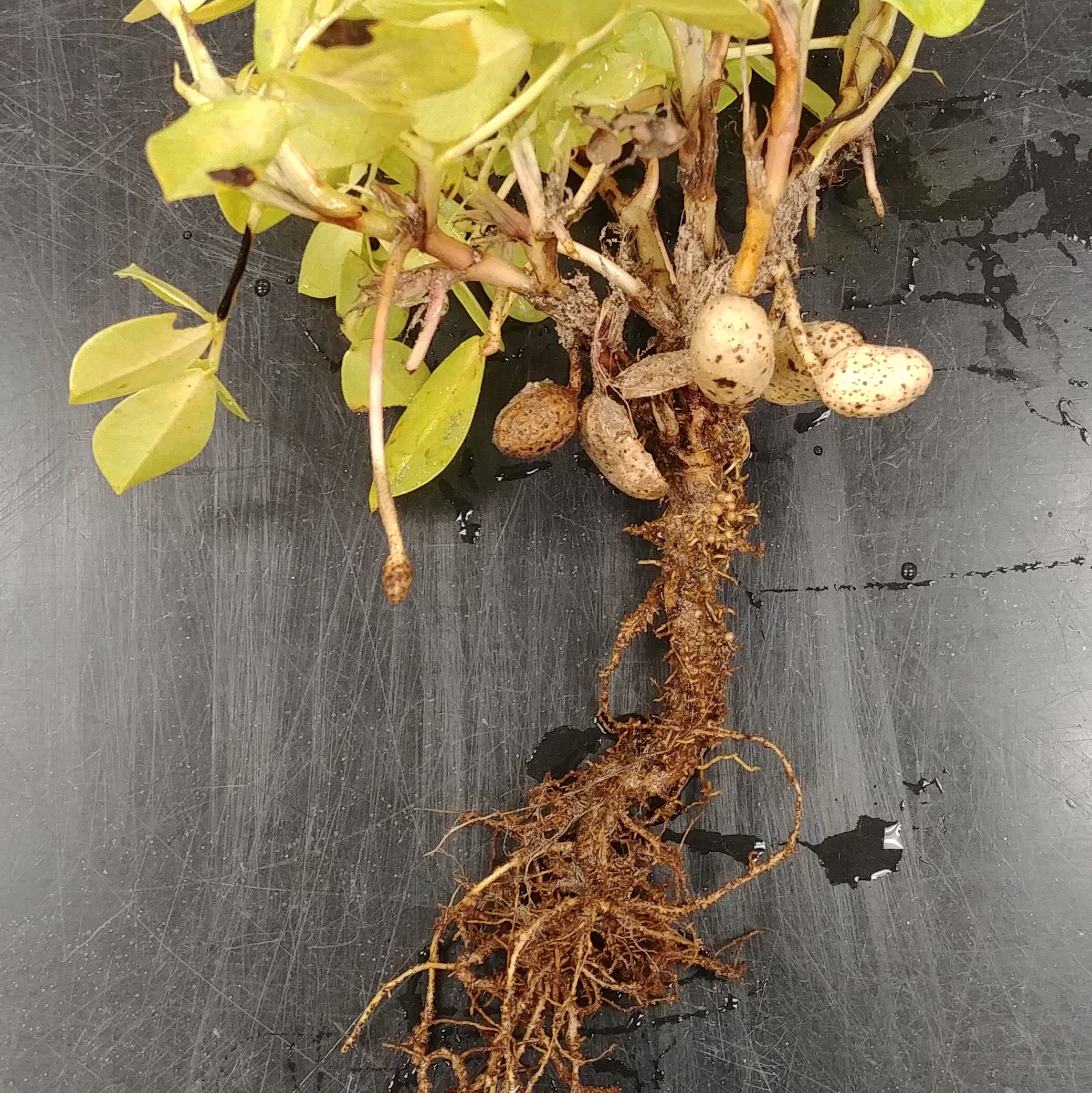
Belowground symptoms are more distinct than aboveground symptoms. Irregular swelling of the root, called galling, is the characteristic symptom of root-knot nematode (Figures 3 and 4). The size of galls and the portion of the root system affected will vary based on time of year, initial nematode load, crop, and environmental conditions.
Sting nematode symptoms
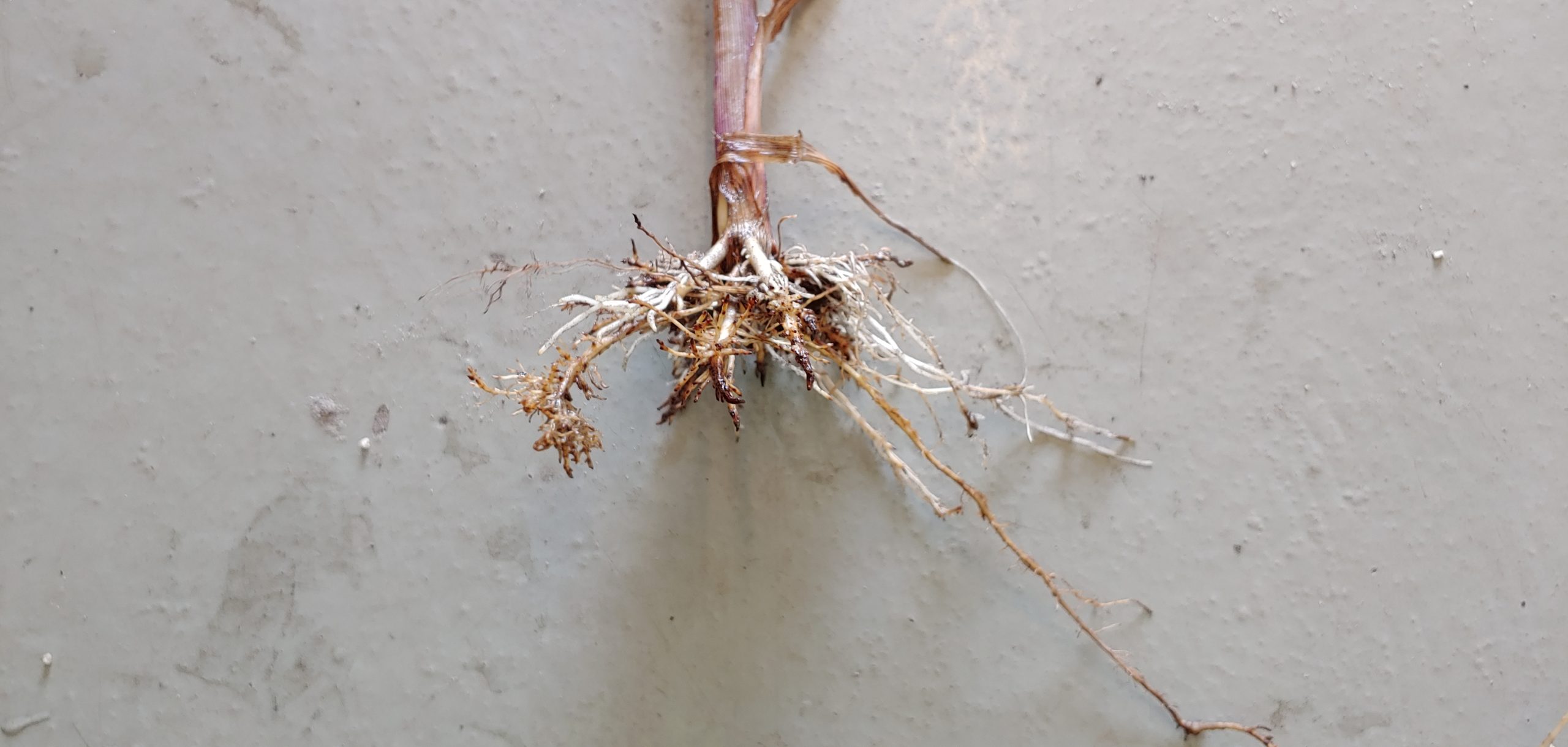
Sting nematode symptoms tend to appear early in the growing season as this highly-damaging nematode can kill or severely stunt plants as they attack growing points. This results in patches of poor stand and severely stunted, yellowed plants (Figure 5). Sting nematode causes severe stunting of the root system as well as pruning of lateral roots, proliferation of small lateral roots, and browning/blackened of roots, especially at the root tips (Figures 6 and 7). Sting nematode is restricted to very sandy soils (e.g. 90% or more), a fact that can aid in diagnosis.
Reniform nematode symptoms
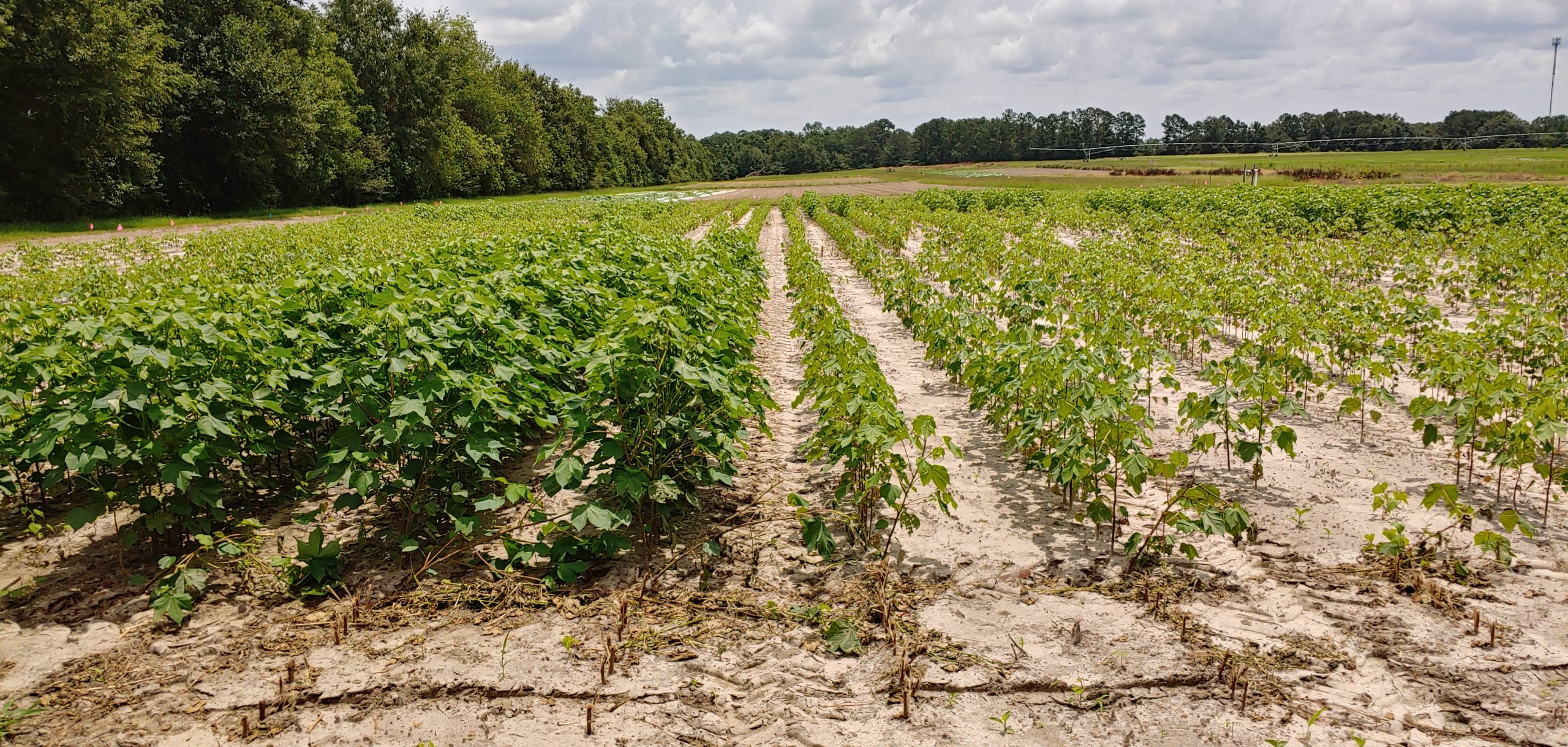
Symptoms of reniform nematode infection are much less distinct than root-knot or sting nematode. While reniform nematode can stunt foliage and roots, reducing yield (Figure 8), this aggressive nematode can have a more uniform distribution across a field so hotspots are less noticeable. Stunting by reniform nematode is often relatively subtle as well. Root symptoms are also indistinct as it does not cause galling or root pruning. Production factors do help identify fields at greater risk of reniform nematode infestation. Reniform nematode does well in a range of soil types, including ones with higher clay or silt content. Reniform nematode is mostly likely to be found in fields with frequent cotton and soybean production as these are the most common row crops it feeds on.
In summary, as harvest season nears, look for potential nematode symptoms and do not hesitate to collect samples for diagnosis to guide future management decisions. For more information on nematode management see the following EDIS in peanut: https://edis.ifas.ufl.edu/publication/IN1199 and other row crops: https://edis.ifas.ufl.edu/topics/nematode_management
 1
1