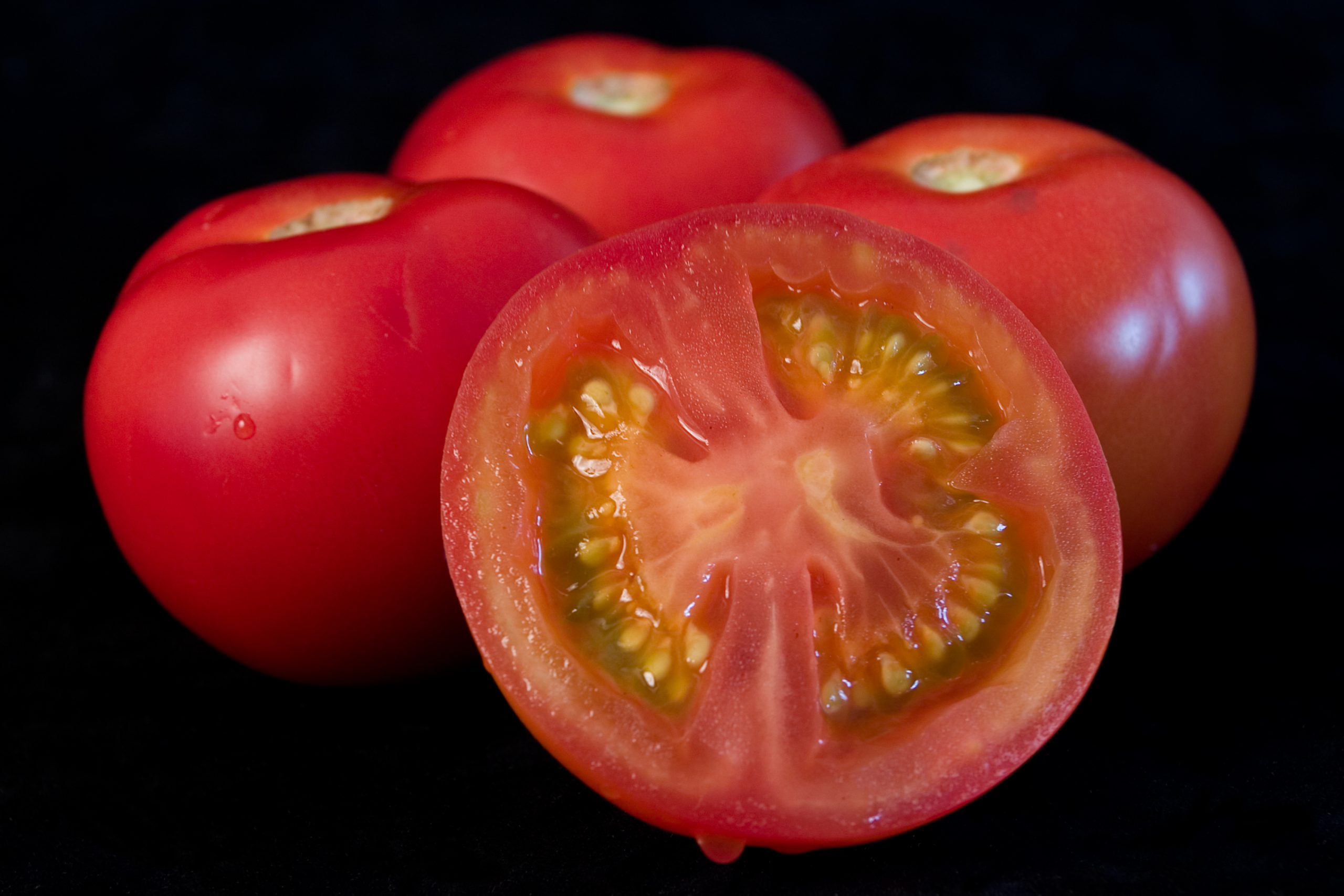
Nothing tastes better from the garden than a home-grown tomato. And the highest and best use of that tomato is to slice it up and put it between 2 slices of white bread slathered in mayo and sprinkled with salt and pepper. If you agree, now is the time to prepare for that sandwich! Tomato seeds are easy to start indoors, and you can plant them this weekend.
When to Sow the Seeds
Tomato seeds should be sown indoors four to eight weeks before the last average frost date at your growing location. That date varies wildly in Duval County. The average last frost date for my Springfield neighborhood is Jan. 21-31. Up at the airport, it’s March 1-10. To find out what your last frost date is, go to Plantmaps.com and choose Frost Maps from the drop-down menu at the top right of the page. Click on the Florida last frost date map listed there.
Hybrids vs. Heirlooms
Deciding what varieties to sow is the first step. You can easily find both heirloom and hybrid tomato varieties for sale and there are advantages and disadvantages to both. Hybrid tomato seeds come from two varieties of tomato plants that were cross bred to get specific traits. Those traits often are increased yield or disease resistance. The seed packet tells you if the variety has disease resistance. For instance, a capital A on the front of the pack means resistant to the fungus Alternaria, and TSWV stands for resistant to tomato spotted wilt virus. Look for a variety recommended for Florida such as Celebrity, Better Boy, Beef Master, Sweet 100, Sun Gold, and Amelia. Unfortunately, seeds saved from the resulting fruit likely won’t retain the traits they were bred for in the next generation. However, hybrid seeds are not the same thing as GMO seeds. There are currently no GMO vegetable seeds available for purchase for backyard gardens.
Some gardeners only want to grow heirloom tomato varieties such as Mortgage Lifter, Green Zebra, Brandywine, and Cherokee Purple. This is because heirloom varieties are known for their exceptionally good flavor. You can also save the seeds from your harvest for next year. However, heirlooms can be more difficult to grow because they often lack disease resistance, may have low yields, tend to catface, and split after a rainy spell. If you are new to gardening, I recommend growing both hybrid and heirloom tomato varieties. You will have a better chance of success from the hybrids and if you harvest a Cherokee Purple, that’s just icing on the cake.
Growing media and containers are the next supplies to gather. Seed starting mix has lightweight media with small particle sizes that gives the tiny roots the best chance to grow. Moisten the media before adding it to your container. The container you use should not be more than a couple of inches deep for seed sowing. If your container has cells, plant two seeds in each one about ¼” deep. After planting, don’t let the soil completely dry out. You can use a plastic dome to keep the humidity up or you may need to water your seed tray daily. Either sit it in a tray of water to soak up through drainage holes or use a spray bottle to apply water to the soil surface.
After the Seeds Germinate, Now What?
In just a couple of weeks, you should start to see green pushing through the soil. It’s now time to discard the humidity dome and give your seedlings as much light as you can. For strong transplants, use either fluorescent or LED lights just a couple inches above the seedlings. For my first indoor seedling set-up, I used a $15 LED grow light on a stand that I bought online. It was easy to use because I didn’t have to figure out how to suspend it from anything and it was very inexpensive. When you grow four or five tomato transplants from home, it pays for itself, since transplants are often $5 each at the store. Using a window for light usually results in frustration and spindly plants. In addition to light, keep the soil moist, but not soaked, until the plants are at least two or three inches tall. Then, it is time to pot them up in a larger container, up to a 4” size. A good potting mix will work just fine this time for the media. If you still have two plants per cell, pinch the weaker looking plant off at the soil line when repotting. Keep them indoors for a while longer, gradually decreasing the frequency of the water. Once you have several strong leaves per plant, they can be hardened off by putting them outside in the morning sun for an hour or two each day, then increase to four hours, and so on, until they can take a full day of sun in the garden.
Pass the Salt, Please
By the time this process is complete, the danger of frost will have passed, and you can plant them where they will stay for the season. If you start now, you should be enjoying your first sandwich in about one hundred days.
 0
0