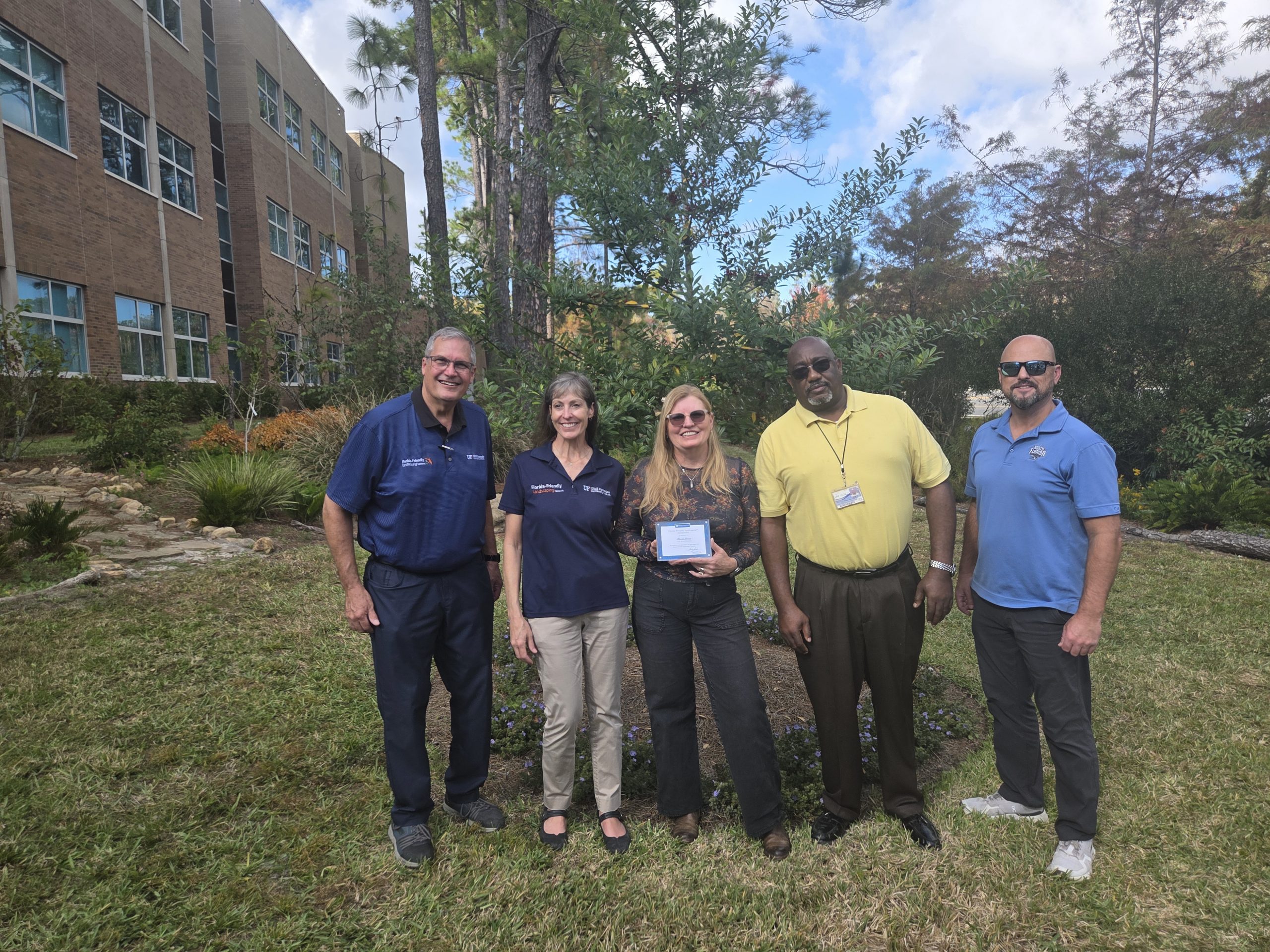
Recently Rhonda Gracie, the University of North Florida Botanical Garden Horticulturalist and mastermind behind the gardens for the last decade plus, received the Florida-Friendly Landscaping™ (FFL) Ambassador award. An FFL Ambassador is someone who shows extraordinary dedication in supporting FFL’s mission of promoting sustainable alternatives to “conventional” landscaping that use less water and reduce pollutant loading to Florida waters. She earned this well deserved recognition because of her implementation of FFL at the University of North Florida, her commitment to educating others about sustainable landscaping practices, and her dedication to protecting Florida’s water resources.
When asked what her goals are Rhonda answered
“My vision is to position the University of North Florida as a regional model for Florida-Friendly Landscaping™, a living, educational showcase of sustainable design. The UNF Botanical Garden, as a public resource, is the heart of this effort, serving as a demonstration space where visitors can experience what FFL looks like, why it matters, and how it represents the natural standard for the future of landscaping.” Well it’s safe to say she is well on her way to achieving her vision! She has created a dynamic and evolving educational showcase of sustainable design.
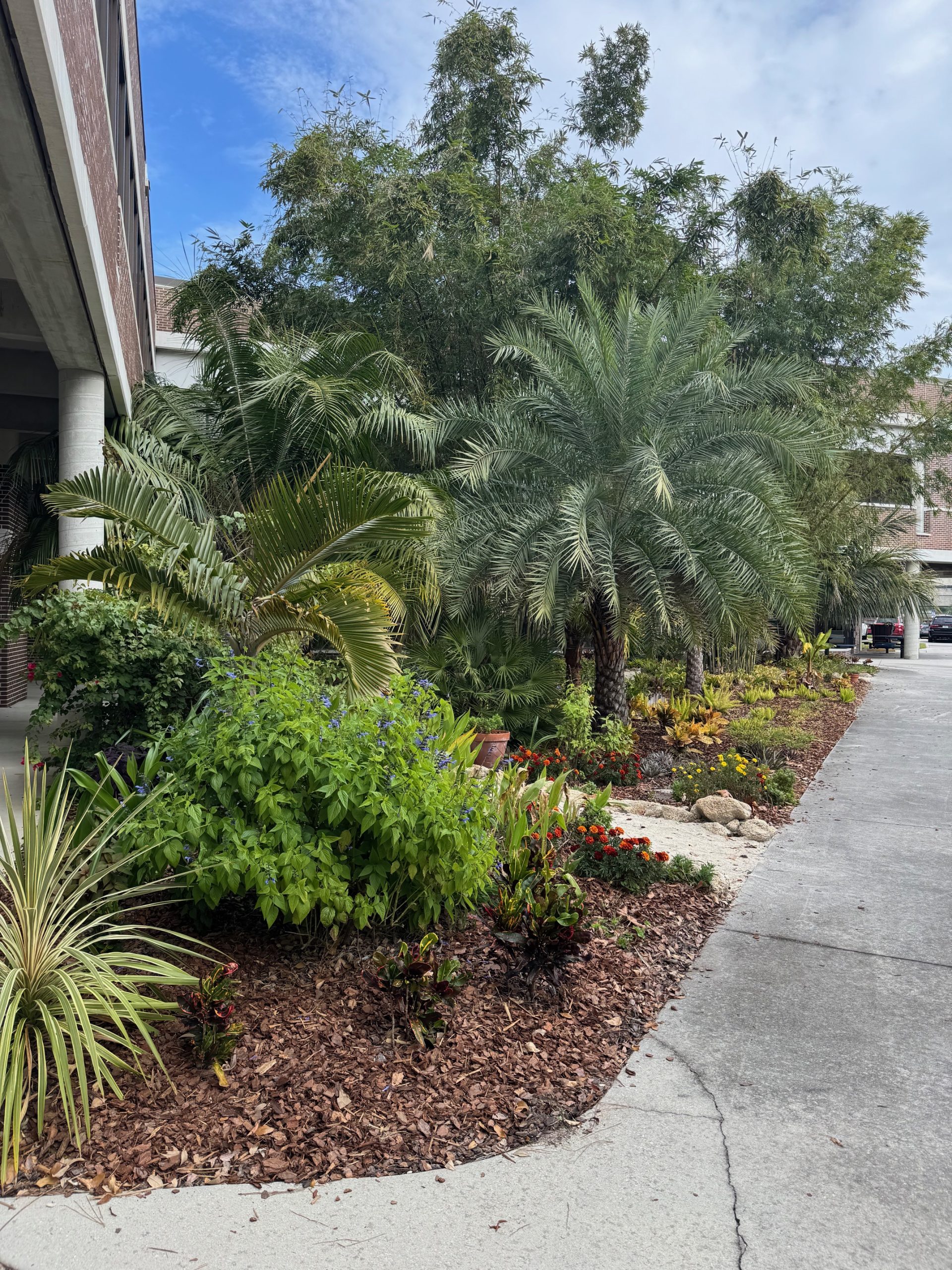
Florida-Friendly Landscaping™ doesn’t stop at the design and the plants selected; the maintenance practices are also big piece of the puzzle.
At the heart of the UNF Botanical Gardens is Rhonda’s modest full time support staff, combined with dozens of dedicated Master Gardener Volunteers and community volunteers who spend time on campus tending the gardens each week. Planting new plants, weeding, mulching, pruning shrubs and trees, and scouting for pests and disease top the to-do list. Despite the long to-do list, without employing Florida-Friendly principles, it would be much longer. By selecting native or well-adapted Florida-Friendly plants that thrive with minimal pruning, water, fertilizer, and pesticides, using mulch to conserve moisture and reduce weed pressure, and reducing lawn area with groundcovers, maintenance hours are reduced allowing for garden expansion.
3 Florida-Friendly takeaways for homeowners
The public space invites visitors to explore, free of charge. During a leisurely walk or guided tour around the gardens, these concepts are easy to see and to replicate in your own landscape. They can also be applied to the landscapes within your HOA or community association common areas.
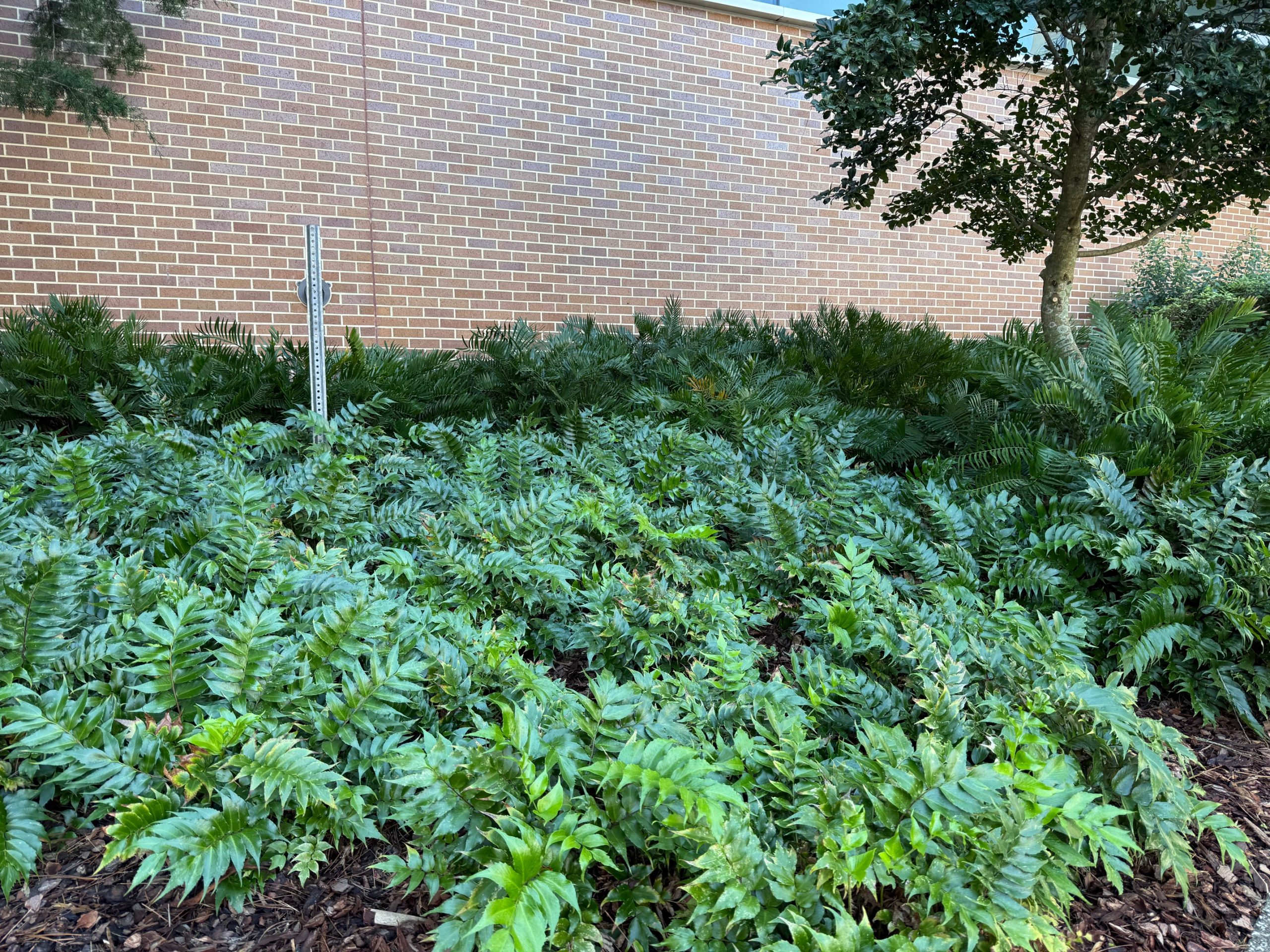
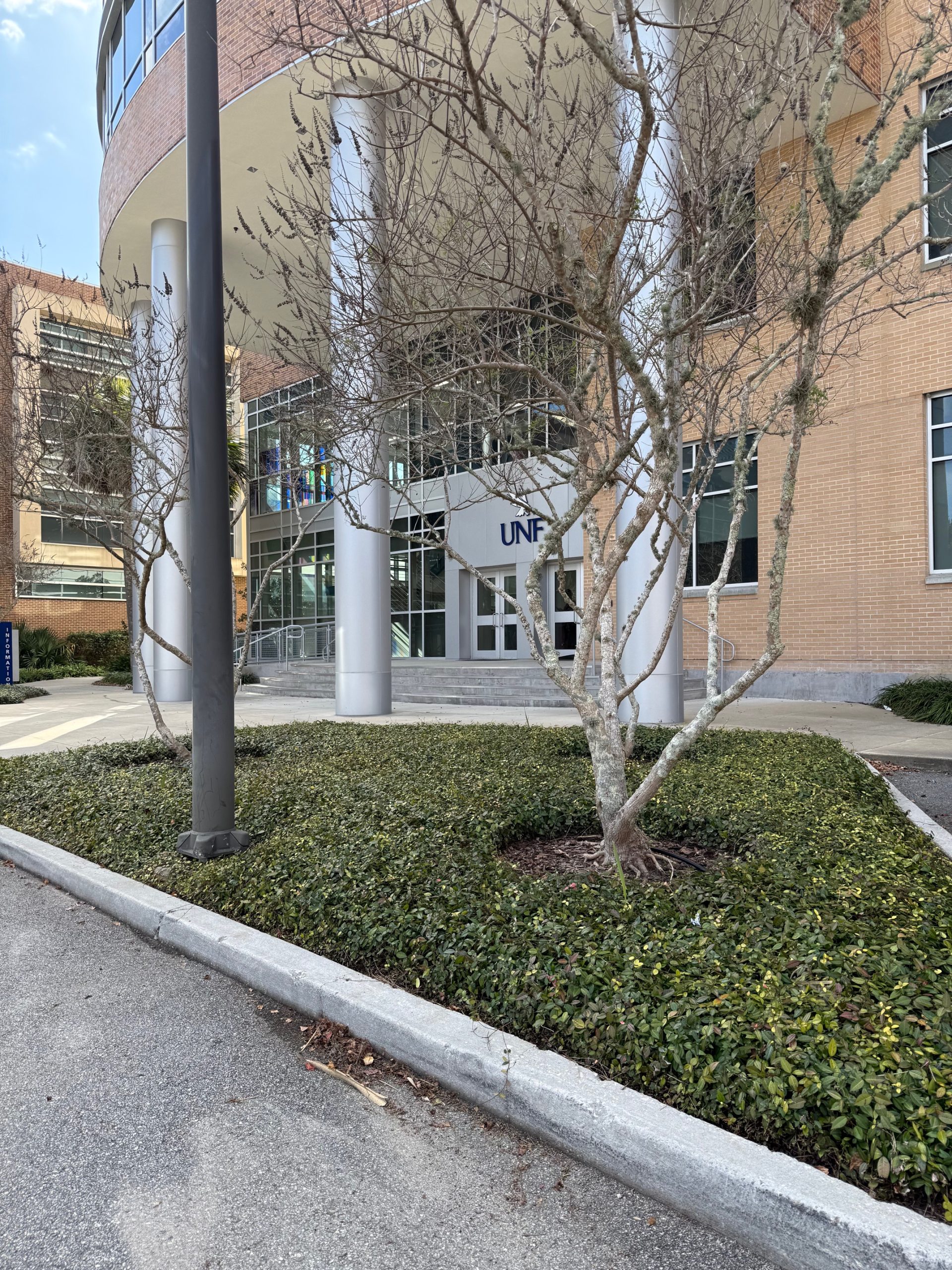
1- Use groundcovers where grass is difficult to maintain
Using groundcovers where grass is difficult to maintain is a key component of a Florida-Friendly landscape design. These may include shady areas, narrow strips, parking lot islands or large expanses of grassy area that are not used for recreational purposes. Turf grass generally does not thrive in shade or in areas where there is a lot of competition for water and nutrients from nearby trees and their roots. Small strips and parking lot islands require frequent high maintenance string trimming and edging and are also difficult to irrigate effectively. Ground covers such as ferns, coontie shrubs, asiatic jasmine, perennial peanut, bromeliads, and many others can be viewed in the gardens across campus. They are a great alternative to grass in these areas because they need far less water and maintenance once established.
2- Use more native plants
Strive to incorporate a minimum of 25% native plant species in your landscape. Native plants save water and require little to no pesticides or fertilizer and are less prone to pests and disease. That’s because they have adapted to our climate and soils over thousands of years, unlike many nonnative plants. They also support wildlife with food and shelter. Selecting native plants helps conserve natural resources.
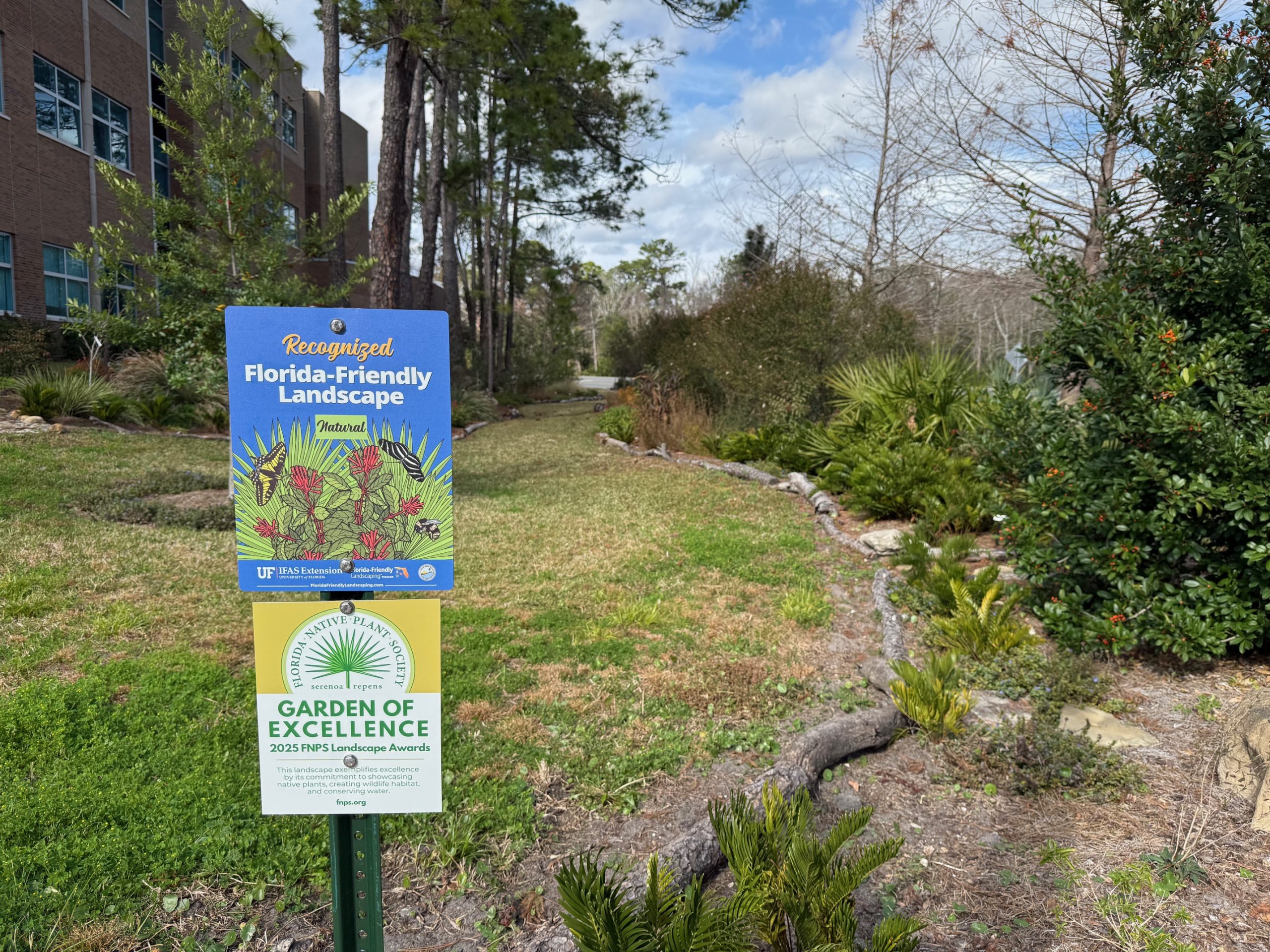
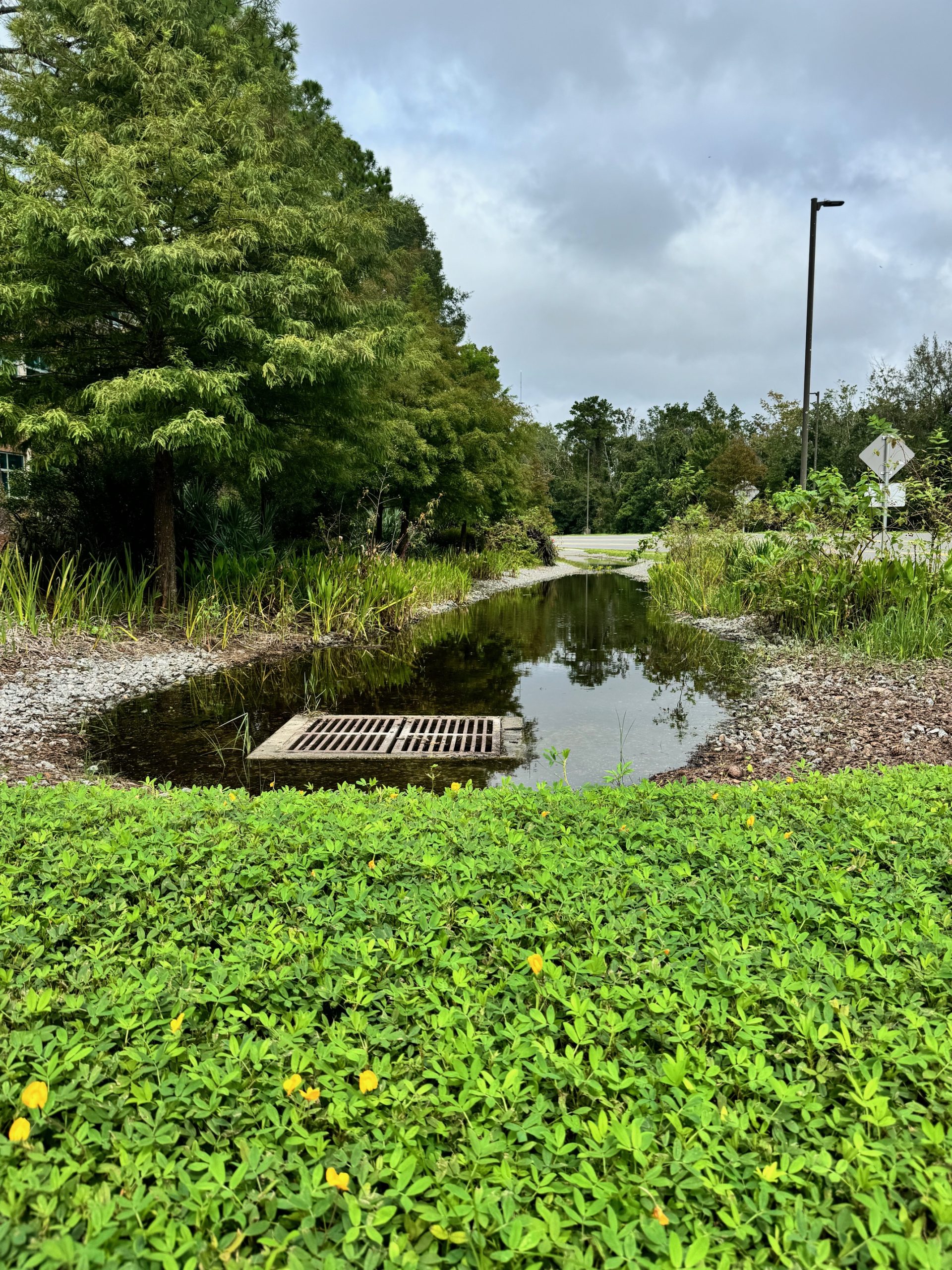
Some gardens such as the Bioswale Garden and the Native Garden have achieved FFL Natural recognition. This highest recognition level requires a minimum of 75% native species. Across campus, well placed native trees, shrubs, and herbaceous flowering plants show off throughout the seasons and support wildlife in the process.
3- Finish plant beds with Florida-Friendly mulches made from organic materials, not stones or shells.
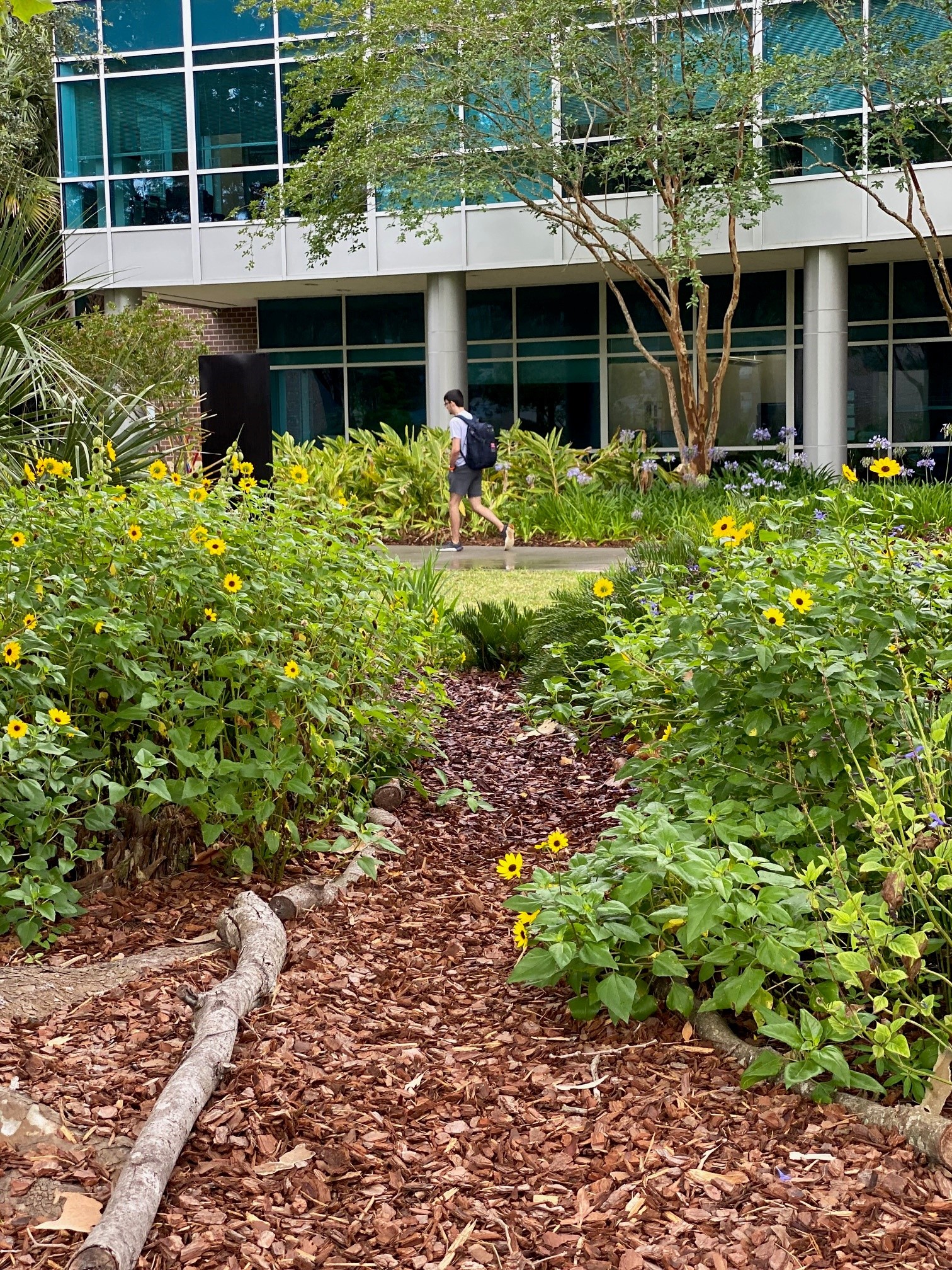
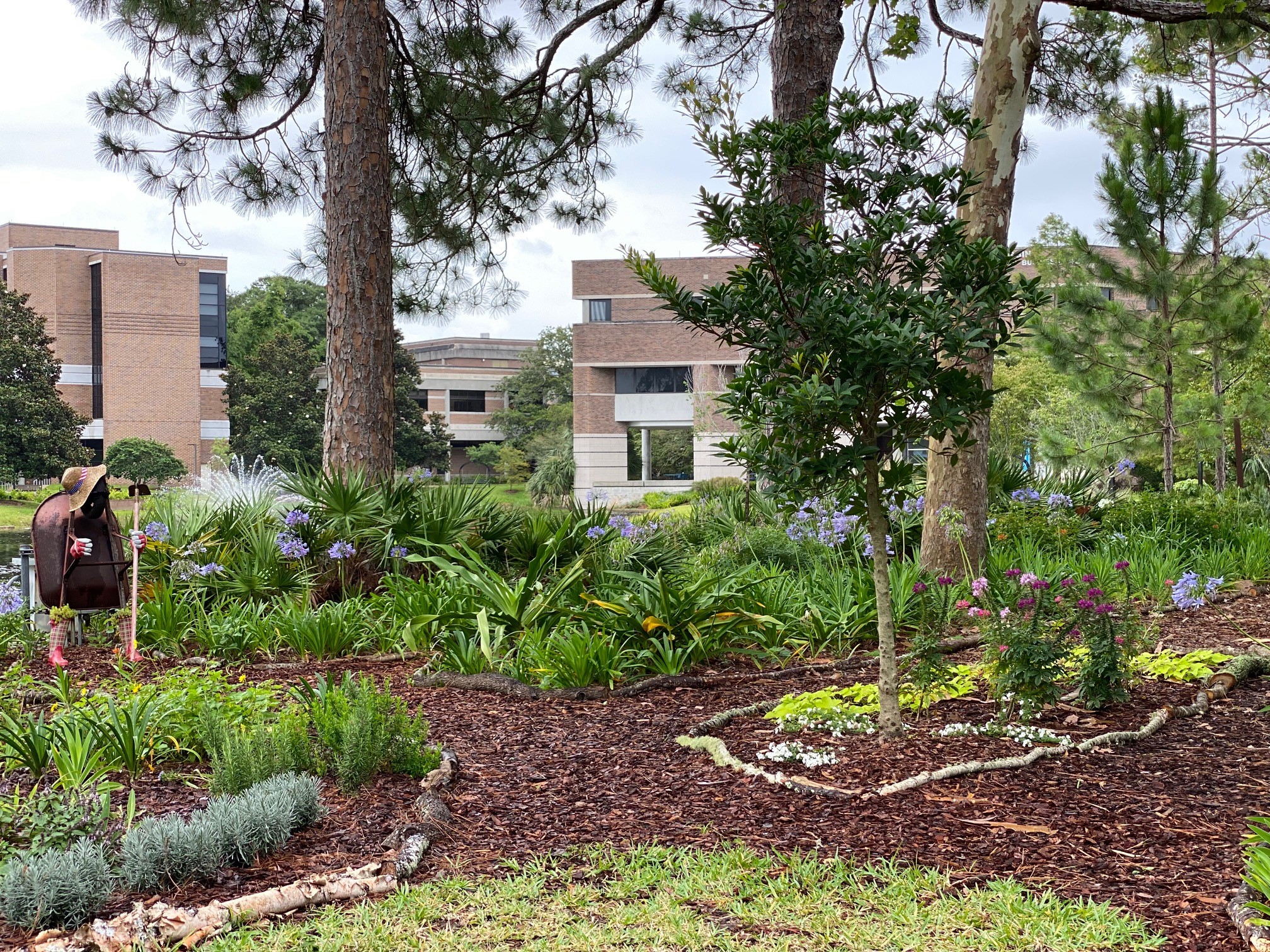
All around campus, you will see pine bark mulch used around plants in the gardens and as pathways. Pine bark is a Florida-Friendly natural mulch that is a byproduct of the states burgeoning lumber industry. Pine straw and melaleuca are a few other examples of Florida-Friendly mulches. The benefits of these organic mulches are tremendous. Mulch inhibits weed germination, helps retain moisture and breaks down slowly, enriching the soil in the process. A 2-3″ layer of a Florida Friendly mulch also buffers plant roots from extreme hot and cold temperatures.
Contrarily, shells and rock mulches used in plant beds heat the soil, killing the beneficial organisms and weakening plants. They also do nothing to retain moisture and do not break down to enrich the soil naturally. It is important to note that cypress mulch is not recommended because it’s often harvested unsustainably from ecologically important Florida wetlands, contributing to habitat loss.
Small stones, shells and organic mulches all make excellent permeable pathways, reducing stormwater runoff.
When clients ask where they can view Florida-Friendly Landscaping™ in action, I encourage them to visit this gem on Jacksonville’s Southside.
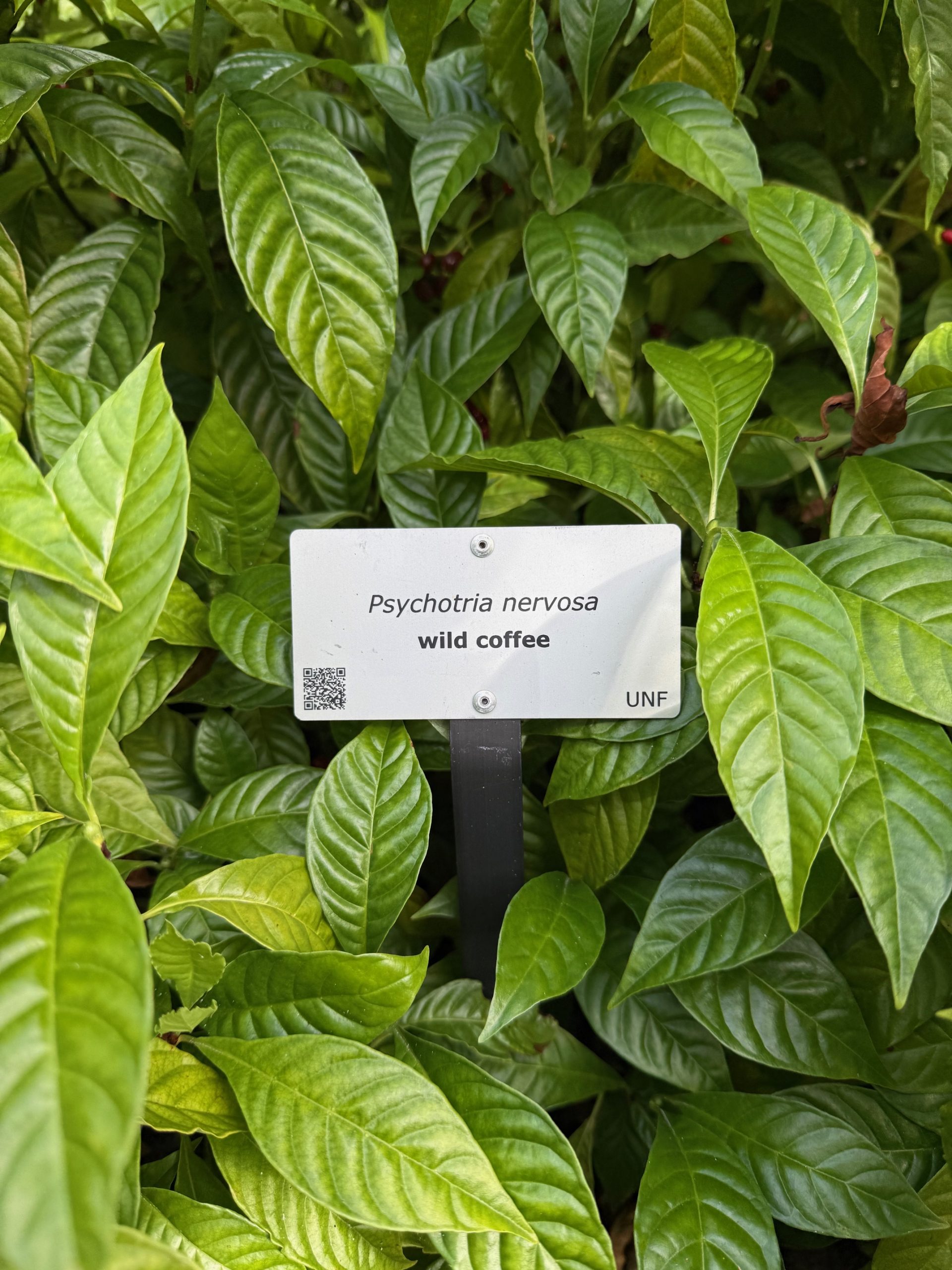
Parking on campus is free on nights and weekends. There are plenty of shady places to have a seat and take it all in while you explore. Individual gardens have signage installed indicating their FFL recognitions. Many plants are labeled with metal markers. You can take a free tour on the second Saturday of the month to learn even more about the gardens and how you can incorporate what you see into your own space.
If you need help implementing Florida-Friendly Landscaping™ in your own yard or community, please contact: smeans1@ufl.edu or 904-255-7450.
 3
3