If you’re new to vegetable gardening in Florida, you may wonder why we would want to pause growing vegetables in July and August. After all, summer has just gotten started! But after trying to garden through the heat, humidity, insects, fungi and storms that characterize our summers a few times, you may welcome a chance to take a break and prepare for fall. You may even want to go on vacation! There are lots of things you can do now to be ready for cool season gardening and keep harvesting from our most heat-tolerant crops. All without breaking (too much of) a sweat.
Remove Spent, Unproductive or Diseased Plants
Some warm season crops are much happier here in the spring. By the time our intense summer heat hits, they become unproductive and become magnets for insects and disease. Examples are large slicing tomatoes, some bell peppers, yellow and zucchini squash, many greens, cucumbers and beans. Others, like corn or determinate tomatoes, may be finished producing. Harvest as much as possible by the 4th of July or so and pull up plants as they decline. By doing so you may avoid disease and insect problems that could linger for many seasons.
Keep Only the Most Heat Tolerant and Hands-Off Crops
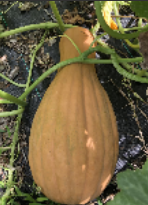
There are some crops that can take the heat with few problems and require little to no help. Hot peppers often sail through summer and produce prolifically with little more than watering during dry spells. Cherry tomatoes and eggplants may continue producing if they are well established. Okra is a heat lover that is generally carefree—but you may have to harvest young pods almost every day. Seminole pumpkin is not generally bothered by insects or disease, and it will happily take over your backyard while you enjoy the air-conditioning!
Repair, Replenish and Solarize Beds
If you do pull up spring crops, take a day to get your beds ready for the next season before you go inside or on vacation. Weed, add bed mix and organic matter, and replace rotting boards if needed. Remove irrigation lines and emitters. Then go the extra mile and cover your bed tightly with clear plastic to solarize the soil. Solarizing uses the heat of the summer sun to kill weed seeds and pathogens in the top few inches of soil. When you’re ready to plant in the fall, remove the plastic and plant without disturbing the soil.

Repair, Plan or Install Irrigation for Fall
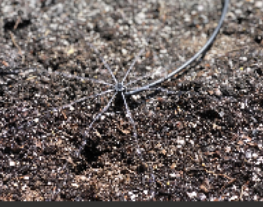
Micro- or drip irrigation helps make gardening easier, but it requires periodic maintenance. Drip tape or tubing develop holes, fittings come apart, and emitters become clogged. Take time now to check your system components and repair them if needed. You may also want to consider a different type of irrigation line or emitter for the next season. Match your intended crop and spacing to the emitter type and spacing. If you need to purchase any new parts, do so now.
Process or Purchase Seeds
If you have saved seeds from open pollinated crops, you may need to separate them from the flower heads and other parts, dry them and package them for longer term storage. To keep your seeds viable for as long as possible, store them in cool, dry and dark conditions—and don’t forget to label them! You can also enjoy reading seed company websites and catalogs and look for other seed sources. Research varieties to try; take a class; or pre-order crops such as garlic or onions that we plant in the fall.

Prepare Your Space for Fall Seed Starting
We often start our cool season vegetable seeds in August. If you want to start your own seeds, read about supplies you will need, decide on a space, and make any purchases necessary. You can also sign up for our Fall Vegetable Seed Starting Workshop for a hands-on seed starting experience, or our Plan Now for Fall Vegetable Gardening Webinar.
Get Organized with a Garden Planner
Many people garden successfully for years without keeping written records. But if you want to learn as much as possible about what you are planting and how it is performing for you, consider making or purchasing a garden planner. Or simply start a spreadsheet with multiple tabs. Keep track of seeds purchased, planting and harvesting dates, weather, any problems encountered and solutions you tried. Record weight of crops, taste impressions and information about seed saving. Draw out a schematic of your garden bed space and plan crop rotations for the upcoming season. Looking back over past seasons will help you improve your skills and focus on the crops that do best in your yard.
Kick Back and Read a Good Gardening Book
After all that, get a cool glass of iced tea and read a book that will help you grow and expand your gardening skills and knowledge. If you’re not sure where to start, check out some of the titles at the UF (University of Florida) IFAS (Institute of Food and Agricultural Sciences) Extension Bookstore online. You may be able to find them at your local public library too. So, hit the summer pause button, and enjoy those last dog days of summer knowing that you’re ready for fall!
 2
2