You have probably seen a lot of articles written about how to properly prune trees. To add a little bit of interest perhaps it would be beneficial to show examples of poor treepruning and the reasons why these practices were bad for the tree.
Overlifting
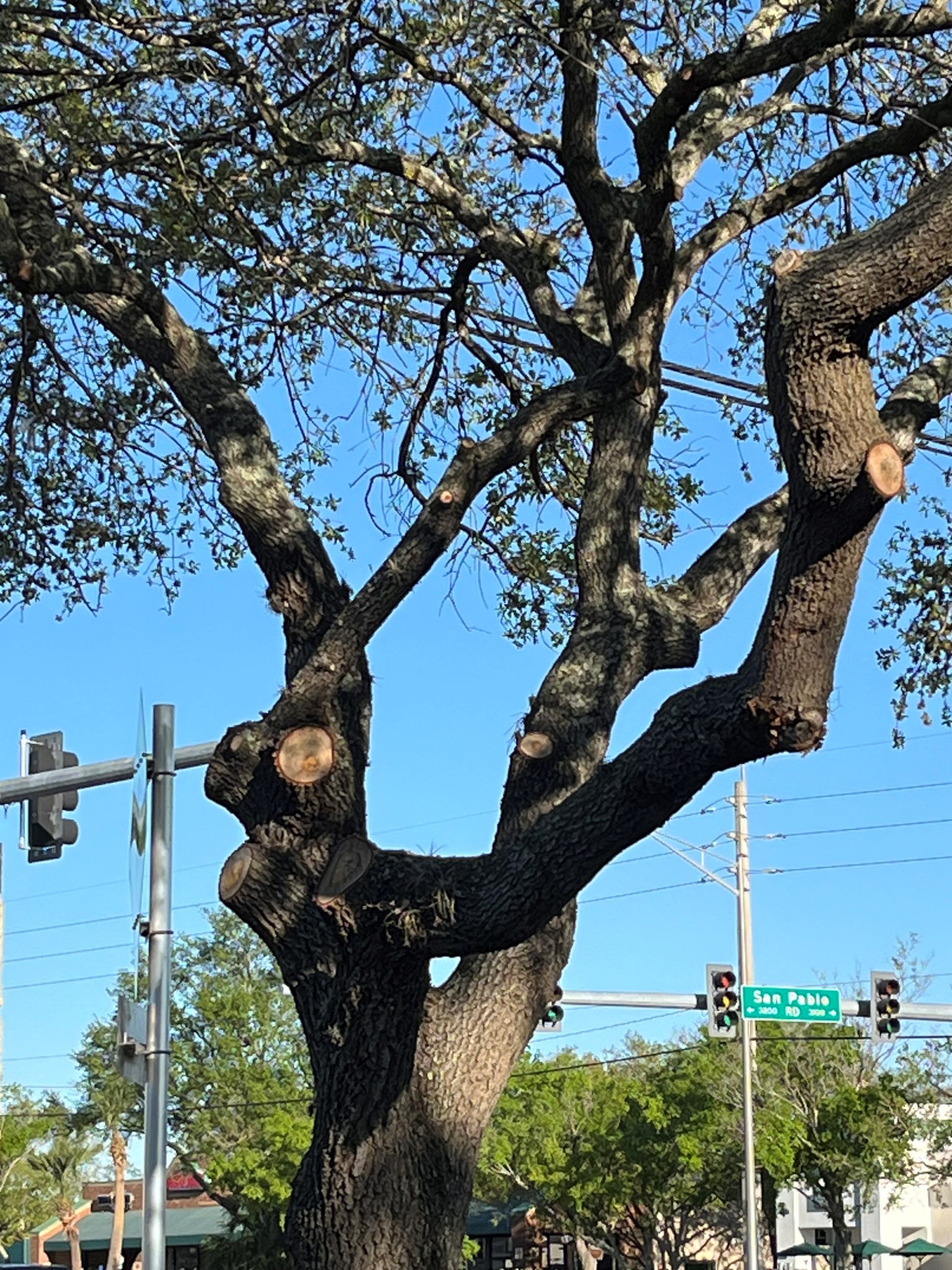
The first case of improper pruning is an example of what is called over-lifting. While raising the canopy is a common pruning practice, the tree in image 1 was pruned a little too aggressively. Over-lifting causes two problems for the tree. First, if you consider that the tree gets its energy from the food it produces in its leaves, this practice removes too much of its food source. The result is that living cells within the tree die. The second effect is that the large wounds created by over-lifting take a long time to callous over and often decay that forms as a result of the wounding can cause problems for the tree over time. The solution is to plan the pruning cuts better. Performing reduction cuts a little further out on the branches would perform the same objective of raising the canopy, but with a much smaller wound, and less foliage loss.
Loins-tailing
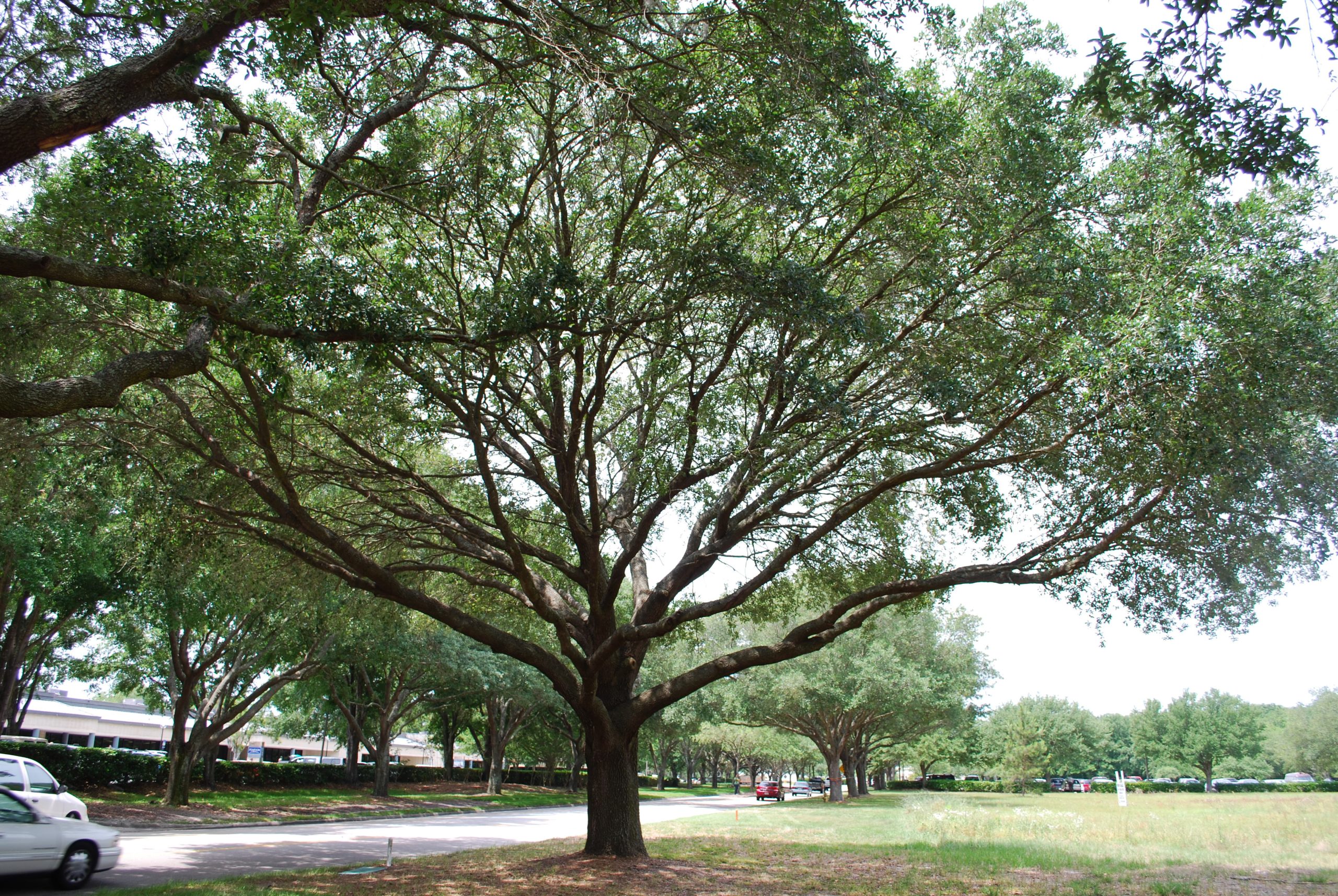
There is a myth that is often repeated that to create a more wind tolerant tree the interior of the tree should be thinned out so that wind blows through the canopy rather than against it. While it sounds reasonable, it is not accurate. The interior branches of trees help to dampen the movement of branches in high winds. Removing the interior branches in a practice called lions-tailing can actually make a tree less tolerant of wind as well as redistributing the weight to the ends of branches making them more likely to fail. In image 2, the interior branches have been removed (lions-tailed) making it more likely that this tree will be damaged in high wind. Instead of thinning the interior, leaving interior branches and appropriately removing weight from the exterior branches through reduction pruning are proper ways to create a more wind tolerant tree.
Crape Hate
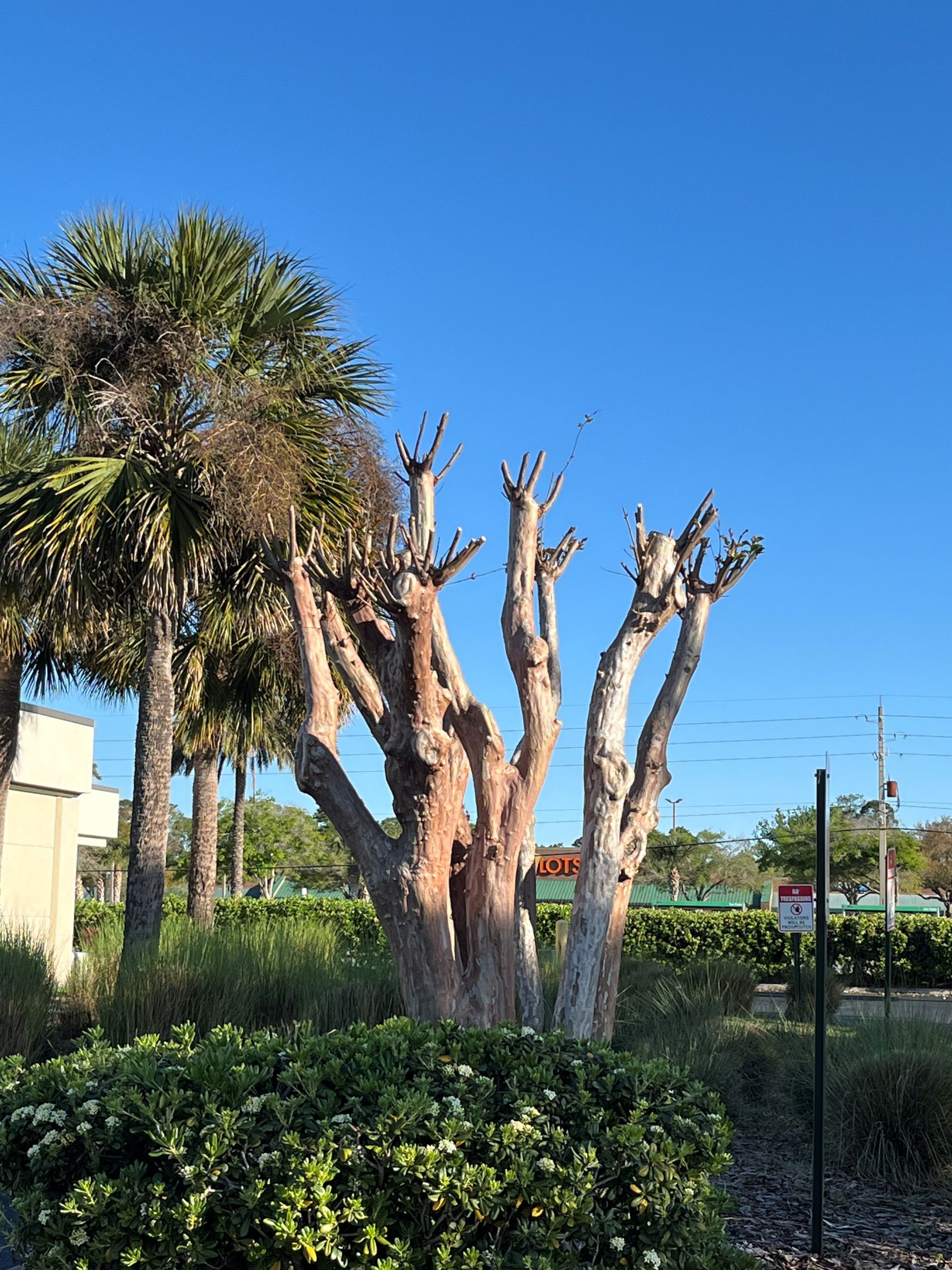
This article would not be complete without a mention of improperly pruned crape myrtle. Unfortunately, it has become common practice to “top” crape myrtles leaving large stubbed off branches. Southern Living magazine coined the term “crape murder” when describing this practice. I prefer the term “crape hate” because it usually does not kill the tree but instead produces a disfigured, unattractive tree. The tree in image 3 is a crape myrtle that has been topped many times. Often the topping cuts are performed because the trees have gotten too large. Fortunately, there are over 1200 varieties of crape myrtles with mature heights of 2 ft., to over 40 ft. The key is to pick the variety that will reach the mature height that fits your landscape. As far as routine pruning is concerned, most crape myrtles need very little pruning and can develop into attractive trees when left to grow to a more natural shape. A little tip pruning, and removal of rubbing or crossing branches are all that is often needed to keep crape myrtle in good shape.
Poor Palm Pruning
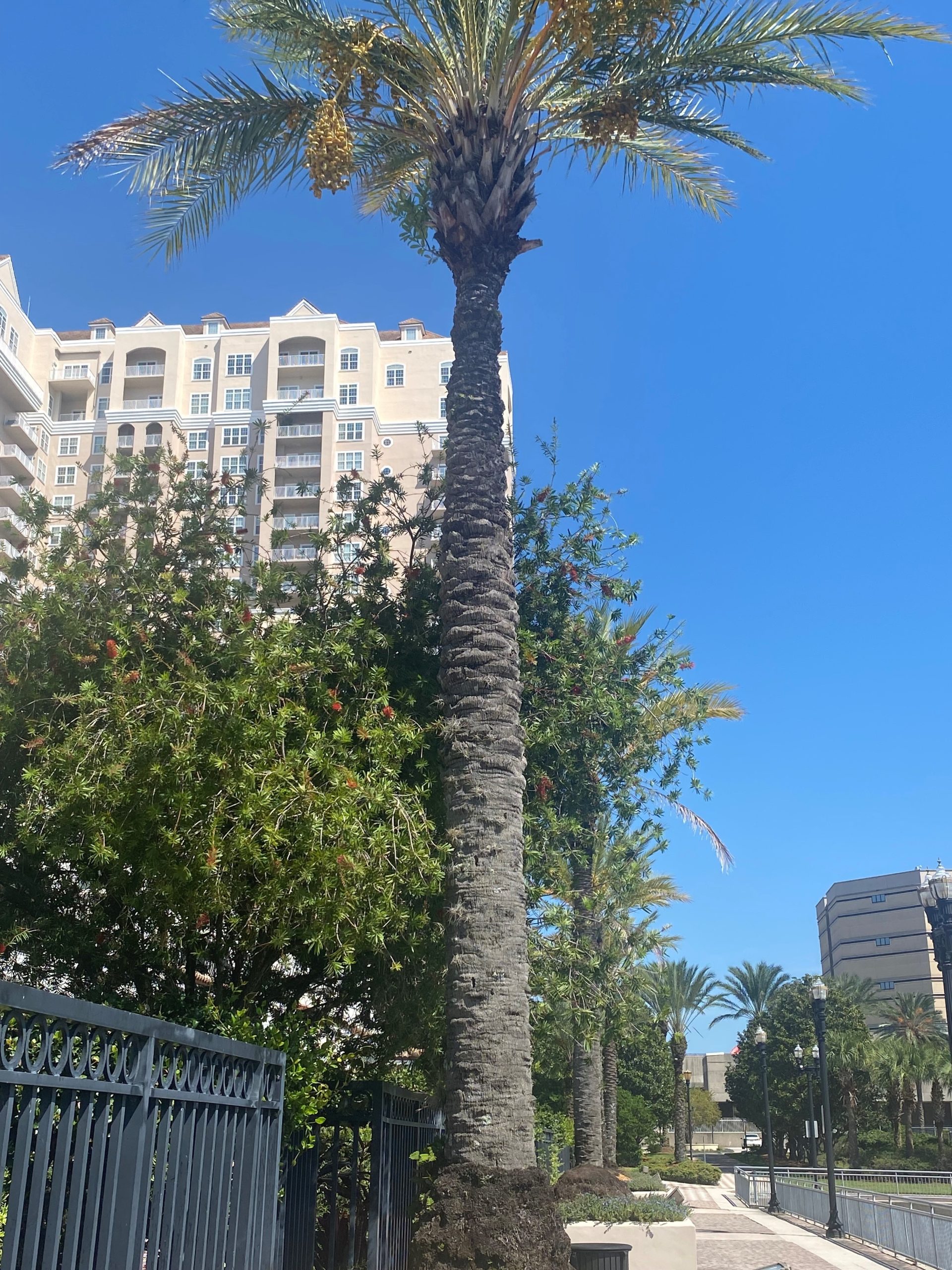
Our last example of poor pruning involves pruning palms. A healthy palm should have a 360-degree crown. Palms are routinely over pruned to the extent that most folks have never seen a palm with a full canopy. The dangers of over pruning palms are many fold. Several fatal palm diseases are spread by infected pruning tools. Insects such as the giant palm weevil are attracted to the wounds made by pruning green palm fronds. Just as in the overlifting example mentioned above, over pruning palms can reduce the amount of food produced in the leaves resulting in the trunk of the palm becoming thinner and thinner. When this occurs in palm trunks it is commonly called trunk narrowing. The palm in image 4 has regularly been over pruned resulting in a narrowing trunk. The recommendations for pruning palms properly include, removing only dead fronds, and those that hang below the 9 o’clock, and 3 o’clock position.
The goal of most pruning should be to create a structurally sound tree, creating the proper architecture that will sustain the tree for a long time. With improper pruning the opposite occurs. The tree becomes structurally weaker, and its lifespan is reduced. For more information on proper pruning go to: https://hort.ifas.ufl.edu/woody/pruning.shtml
 5
5