With hurricane season upon us in South Florida, it is important to remember to take cover when lightning is in the area. In today’s digital age, you can find videos of lightning striking tall objects to include buildings, trees or telephone poles. However, it can also strike low-lying objects like the soil or even in the case of a building, the irrigation controller. Damage from lightning can be extensive on irrigation parts and can lead to a lot of frustration. What do you do when lightning makes a shocking appearance to your home or business irrigation system?
Be Sure To Unplug Electrical Attachments Before Touching Anything
Before playing detective with your irrigation controller, make sure to disconnect it from its power source. Electrical shock can occur from the lightning itself, but the landscape irrigation controllers are also connected to a live electrical source. An electrical source for the irrigation system could be a building outlet or a direct underground electrical line. Carefully inspect power wires to ensure they are not charred, and the connecting outlet is not damaged. When in doubt, reach out to a professional for help.
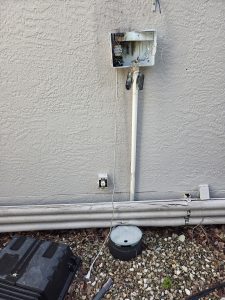
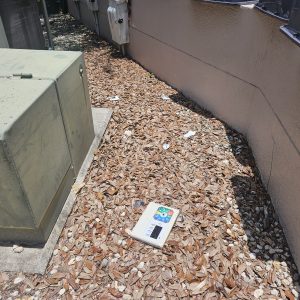
Lightning Will Damage Irrigation Components
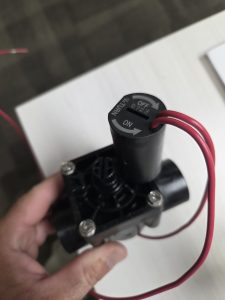
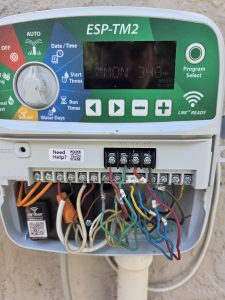
Two main electrical components that are needed to operate your automatic irrigation system are the controller and the solenoids. The controller is the brains of the irrigation operation. It allows you to set what time the system runs and for how long. Without it, we would have to turn valves on manually. Solenoids receive the electrical voltage from the controller to open and close valves so that sprinklers run for a specific time. Irrigation controllers and solenoids that are attached to the valves are sensitive electronic components. If the controller does not have surge protection installed, lightning will damage the controller. Some brands of irrigation solenoids may have a built-in surge protection so that in the event of a lightning strike, only the solenoid closest to the lightning strike will be damaged.
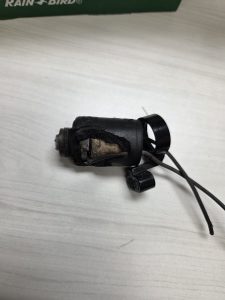
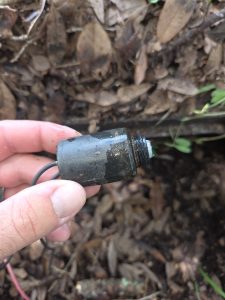
Regular System Inspections and Audits Matter
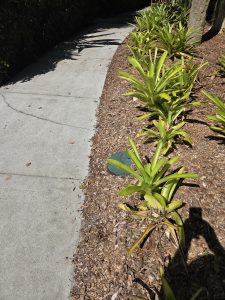
Routine checks might not prevent a lightning strike, but they can minimize the downtime for your system. Knowing what size irrigation valves and what brands your valves are will help when purchasing replacement solenoids. Also, knowing what zones run with each station number on the controller will help with trouble-shooting problems. Make sure you have located each of the valves in the landscape so that if a solenoid dies due to old age or a lightning strike, you can quickly find and replace it.
Create a Backup Plan to Keep Things Green in Times of Drought
When the controller goes down, so does your automatic watering schedule. Having a manual override plan or a temporary watering strategy, such as turning zones on manually, or portable sprinkler heads attached to a hose spigot can keep your landscape alive while repairs are underway.
Even Smart Systems Need Smart Safeguards
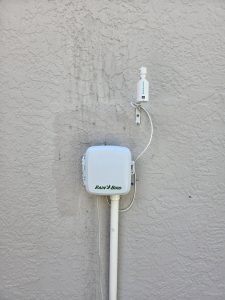
Modern irrigation systems may even include Wi-Fi connectivity and smart scheduling. These features are great until power surges damage them. If you are using a smart controller, or even a smart central controller, make sure it is backed up and protected just like any other critical tech. Even rain sensors can be damaged from a lightening event and should be replaced to ensure your system is in compliance with local regulations.
Documentation
If your system is part of a commercial or insured property, document the damage thoroughly through photos, receipts, and a clear timeline in the case of insurance or warranty claims.
Thoughts When Replacing Components
When replacing the irrigation controller, be sure that it is being replaced with a unit that has the same number of zones, or more. The last thing you want is to replace a 12-zone system with a controller that can only handle 6 zones maximum.
Final Thoughts
When in doubt, reach out to professionals in your area to help assess and fix any damage. Lightning is unpredictable, but your response doesn’t have to be. With the right precautions and a bit of planning, you can weather the storm and keep your irrigation system safe and sound.
 3
3