You can enjoy many outdoor recreation options with friends and family during picnic and BBQ season. However, warm weather also increases the risk of foodborne illness. As temperatures rise, bacteria multiply quickly on food left out too long. To protect yourself and others, practice safe food handling when preparing, transporting, cooking, and serving meals outdoors. The following tips will help you keep your food safe from the cooler to the plate.
Transporting Food Safely
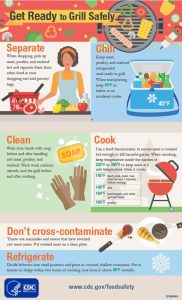
Start by keeping cold food cold. Pack meals in a cooler with ice or frozen gel packs to maintain a temperature of 40°F or lower. This helps prevent bacteria from growing before you arrive at your picnic site. For best results, use separate coolers for drinks and perishable items. That way, you avoid repeatedly exposing food to warm air while people reach for beverages. Once you arrive, open the cooler as few times as possible to keep contents cold longer.
To prevent cross-contamination, tightly wrap raw meat, poultry, and seafood. Keep them away from ready-to-eat foods like fruits and vegetables. Wash all produce thoroughly before placing it in the cooler—even those with skins or rinds you won’t eat. Scrub firm-skinned items with a clean vegetable brush under running water. Then dry them with a clean paper towel or cloth.
Safe Grilling Tips
When it’s time to grill, marinate food in the refrigerator—not on the counter or outside. If you plan to use marinade as a sauce later, set some aside before adding raw meat or seafood. Never reuse marinade that touched raw food.
Always cook food thoroughly. Use a food thermometer to check internal temperatures and make sure each item reaches a safe level. Once cooked, keep food hot by moving it to the side of the grill rack, away from direct heat. This keeps it warm without overcooking.
Avoid cross-contamination by switching out platters and utensils. Don’t use the same items that held raw meat, poultry, or seafood to serve cooked food. Instead, bring clean serving tools and dishes to the grill ahead of time.
Serving Food Safely
Keep cold foods chilled at 40°F or below until serving time. Once served, don’t leave cold perishable items out for more than two hours—or just one hour if temperatures exceed 90°F. Discard anything left out too long. You can place items like chicken salad or individual desserts directly on ice or in shallow containers nestled in ice-filled pans. Remember to drain water as the ice melts and replace it often.
Keep hot foods at 140°F or higher before serving. Wrap them well and store them in insulated containers. Just like with cold foods, don’t let hot items sit out longer than two hours—or one hour in very hot weather. When in doubt, throw it out.
Handling Leftovers
After the meal, divide leftovers into small portions and place them in shallow containers. Refrigerate or freeze them within two hours of cooking—or within one hour if it’s over 90°F outside. Storing leftovers properly helps you avoid foodborne illness and lets you safely enjoy your meal again later.
 0
0