Invasive species are defined as organisms which are non-native (non-indigenous) to a geographic area which can causes adverse economic, environmental or human health impacts. Invasive species are typically introduced intentionally or unintentionally by humans and thrive at the expense of native species, because they lack natural enemies/predators. Not all non-indigenous species are invasive. However, because invasive species are able to outcompete native species for food and shelter, they often displace native wildlife from their natural habitat, resulting in declining populations. Invasive species can also pose a threat to livestock, crops, humans, and pets. In Florida, although there have been extensive efforts focused on continually monitoring non-indigenous plant species for their potential to become invasive, both ectothermic (cold-blooded) and endothermic (warm-blooded) animals also form part of the complex invasive species phenomenon.
Aquatic Habitat Invaders
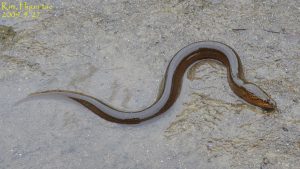 Asian Swamp Eel: (Monopterus albus) Floridians are encouraged to report sightings of the invasive Asian swamp eel. This air-breathing fish native to Southeast Asia, thrives in wetlands and stagnant, muddy, water. It was first reported by the USGS/US Army Corps in Georgia and Hawaii, but there has also been reports of sightings in Florida. A population surge of this invasive species can have adverse impacts on Florida’s freshwater ecosystem and its fishing industry due to its prolific nature. It preys on aquatic invertebrates, amphibians and small fish. Compounding the issue is its usage as bait which can lead to unintentional release.
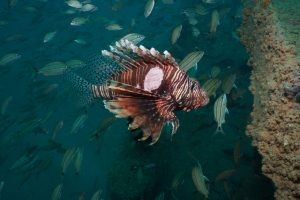 Lionfish: (Pterois spp.) Native to the Indo-Pacific, lionfish were first reported in the Florida Keys and the USGS aquatic invasive species database indicates that its range extends from Florida to North Carolina. Lionfish prey on native fish and shrimp, and also compete with grouper and snapper for food sources. Because of its prolific nature and absence of natural predators to keep the population in check, it poses an ecological and economic threat to Florida’s marine ecosystems and fishing industry.
- Burmese Python: (Python bivittatus) This large snake (10-16 ft.) has been wreaking ecological havoc on the Everglades for decades, due to its prolific nature and absence of natural predators, causing a decline in the population of native mammals, and an adverse impact on native snakes due to the spread of parasites. Native to Southeast Asia, it has become invasive in freshwater aquatic habitats including canals, marshes and swamps, feeding on small mammals and alligators.
Terrestrial and Arboreal Habitat Invaders
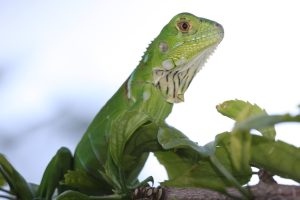 Common Green Iguana: (Iguana iguana) Large lizards (3-6 ft.) ranging in color from bright green, to olive, to dark brown (during breeding season the males may be orange). They are native to Central America, South America, and the Eastern Caribbean. Green iguanas can cause damage to landscape vegetation and crops, and are attracted to vegetables, flowers, and many fruits. Researchers have also found evidence of iguanas feeding on native tree snails.
- African Redhead Agama: (Agama picticauda) Also known as Peter’s Rock Agama, this lizard is native to East Africa and preys on small native lizards such as Anoles. Population increases have been noted on both Florida’s East and West coasts.
 Argentine Black and White Tegu: (Salvator merianae) Large lizards (1-3 ft.) with dark and light striped markings, native to South America. They feed on the eggs of native wildlife, such as alligators, turtles, and gopher tortoise.
 - Cuban Tree Frog: (Osteopilus septentrionalis) Native to the Bahamas, Cuba and the Cayman Islands, these large tree frogs (2-5 in.) prey on native tree frogs and their tadpoles also displace those of native frogs, resulting in a decline in population.
To learn more about the distribution mapping of invasive species, visit the USGS Nonindigenous Aquatic Species website, EDDMapS website or app, or FWC’s 888-Ive-Got-1 hotline. Learn more about the FWC’s Exotic Pet Amnesty Program, which helps owners surrender exotic pets with no questions asked and without penalties.
 0
0