
September brings fall festivities, cozy attire, pumpkin spice lattes, and the upcoming holidays. Gatherings with friends and family are around the corner, which makes this a good time to discuss safe food handling to create a safe environment and reduce the risk of getting our loved ones sick. It is also timely, as September is National Food Safety Education Month.
Did you know that each year, an estimated 1 in 6 Americans will get sick from foodborne illness? Yikes! Causes of foodborne illness include bacteria, viruses, parasites, allergens, mold, toxins, and contaminants¹. Symptoms range from mild to severe and depend on the germ; however, typical symptoms can include nausea, gastrointestinal discomfort, fever, dehydration, and more¹. Long-term complications associated with foodborne illness can include kidney failure, chronic arthritis, brain and nerve damage, and can even be fatal¹. People who are pregnant, younger than 5 years of age, older adults, and who have a weakened immune system are especially vulnerable to foodborne illness and can experience more serious side effects².
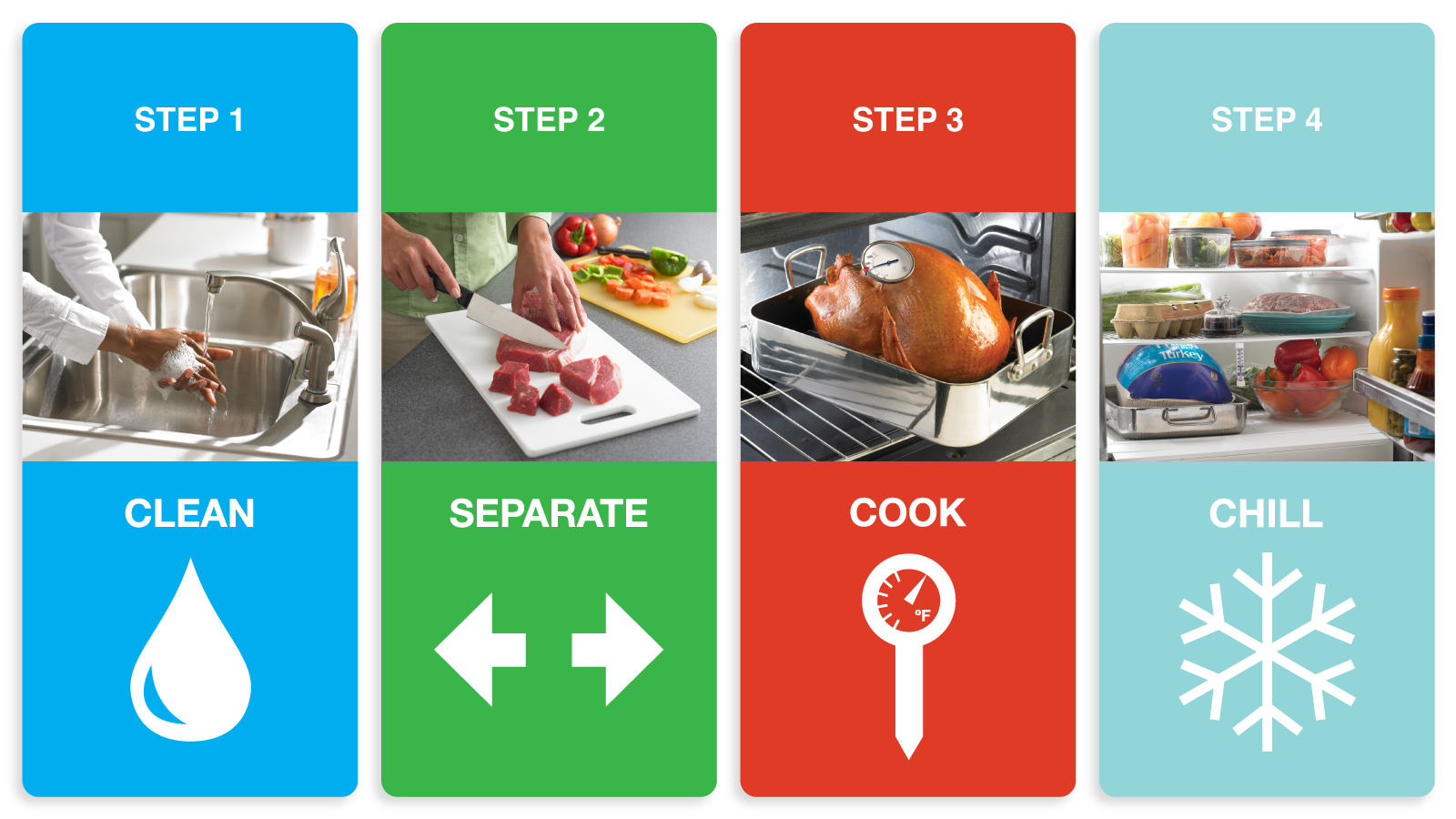
Together, we are going to review four simple food safety steps to reduce the risk of foodborne illness and keep you and your families safe this holiday season:
Step 1: Clean
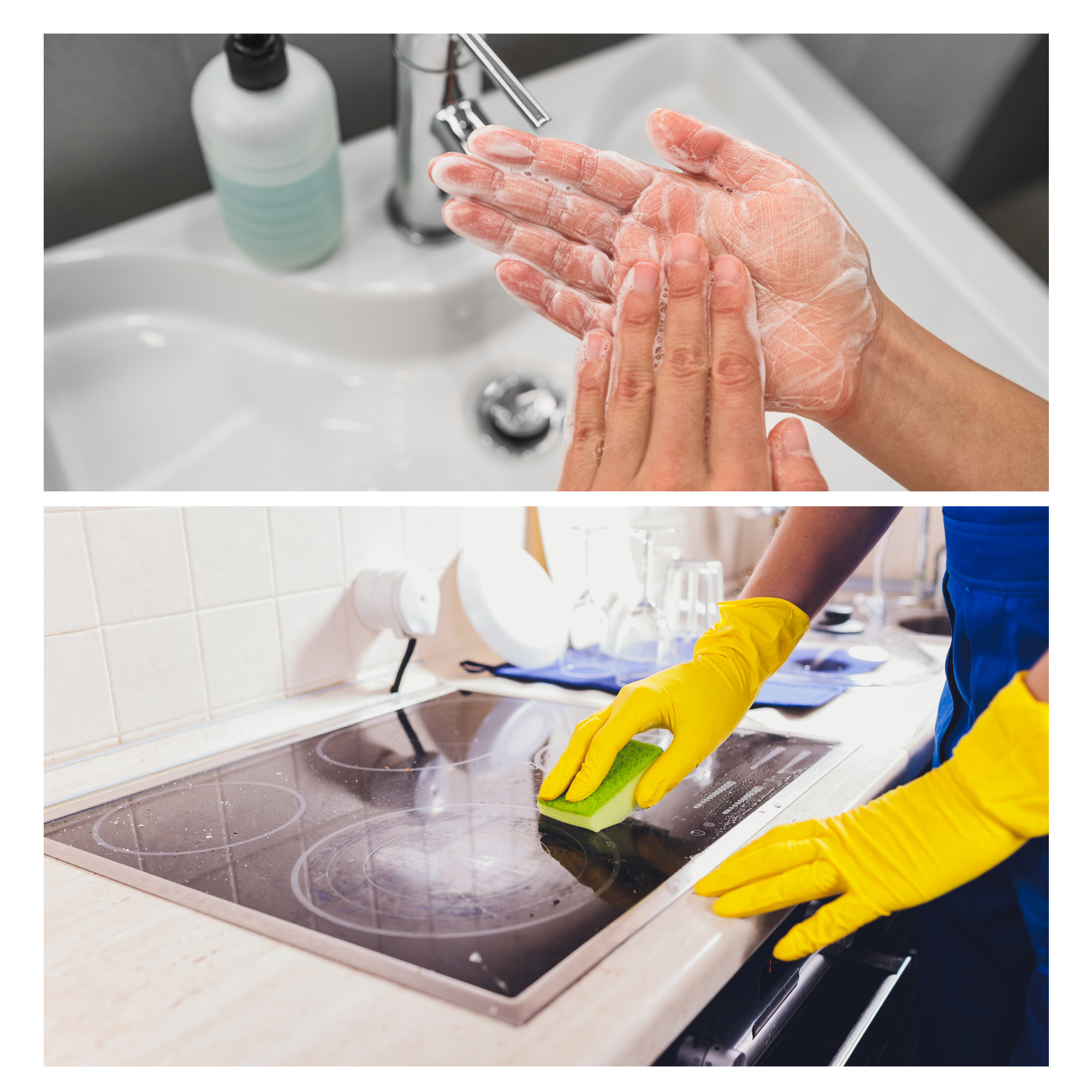
It all starts with proper handwashing. Before preparing food, after switching tasks, and before eating, wash your hands with warm, running water and soap for at least 20 seconds.
Make sure all surfaces that are in contact with food, such as countertops, cooking surfaces, cutting boards, and cooking utensils, are washed with hot, soapy water after each use. Also, take some time to clean often-overlooked areas, like the interiors of the refrigerator, freezer, and microwave.
For fresh produce, rinse under running water and scrub the rinds of fruits and vegetables to ensure you scrub away germs that can be introduced into the insides of that produce when it is being sliced. For canned fruits or vegetables, wash the cans and jars before opening.
Step 2: Separate
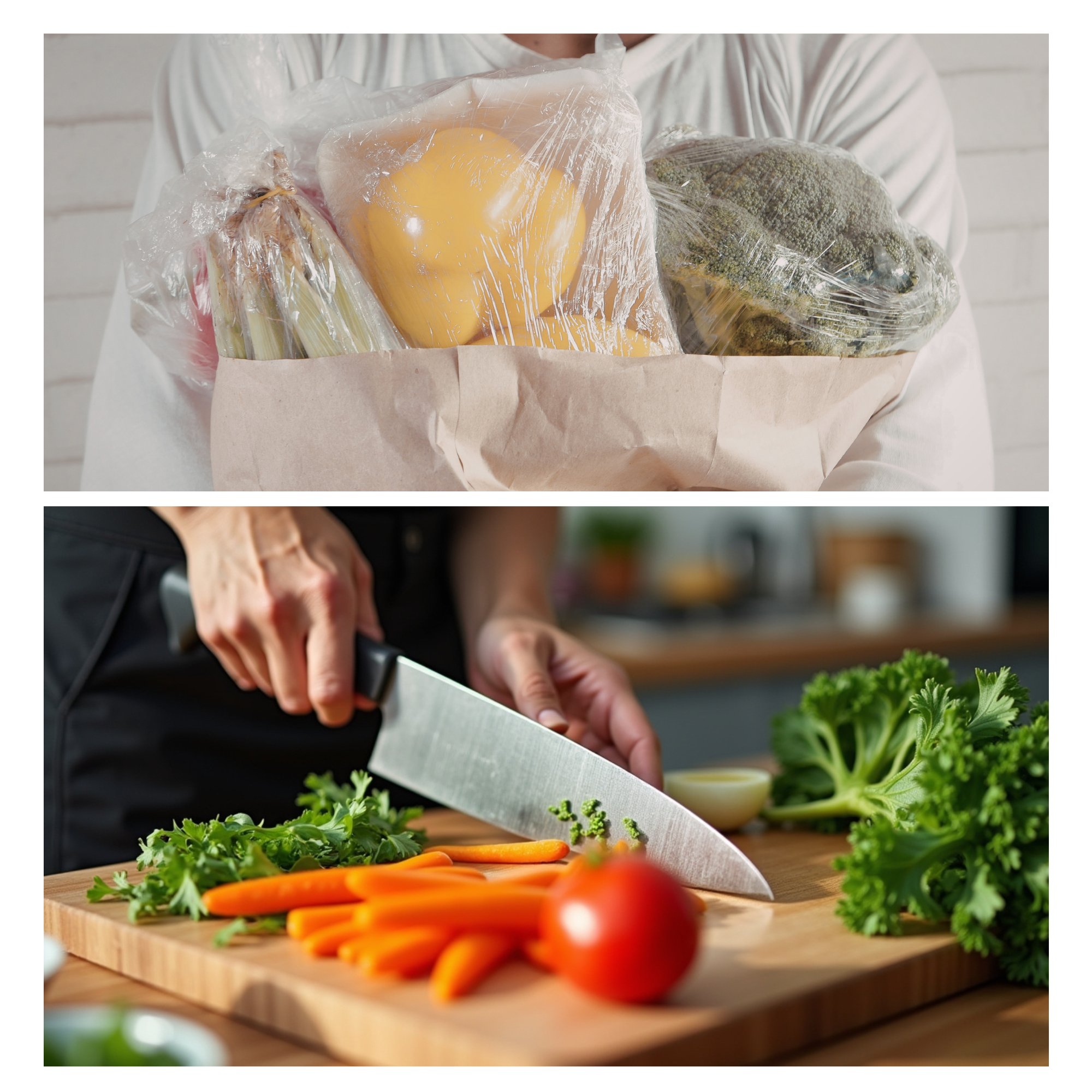
From the moment you go to the grocery store until you are preparing the food, you want to keep raw meat and poultry away from ready-to-eat items like fresh produce to avoid cross-contamination. You can keep these items separate while you are purchasing them, placing them in the small plastic bags located in the produce or meat section.
Once you arrive home and are unpacking the groceries, keep these items separate in the refrigerator as well. Ideally, you want to use different cutting boards and cooking utensils when preparing raw meats and poultry and ready-to-eat items, but if you do not have them, that is okay- you can wash those tools with hot, soapy water after each use, like when switching tasks.
Step 3: Cook
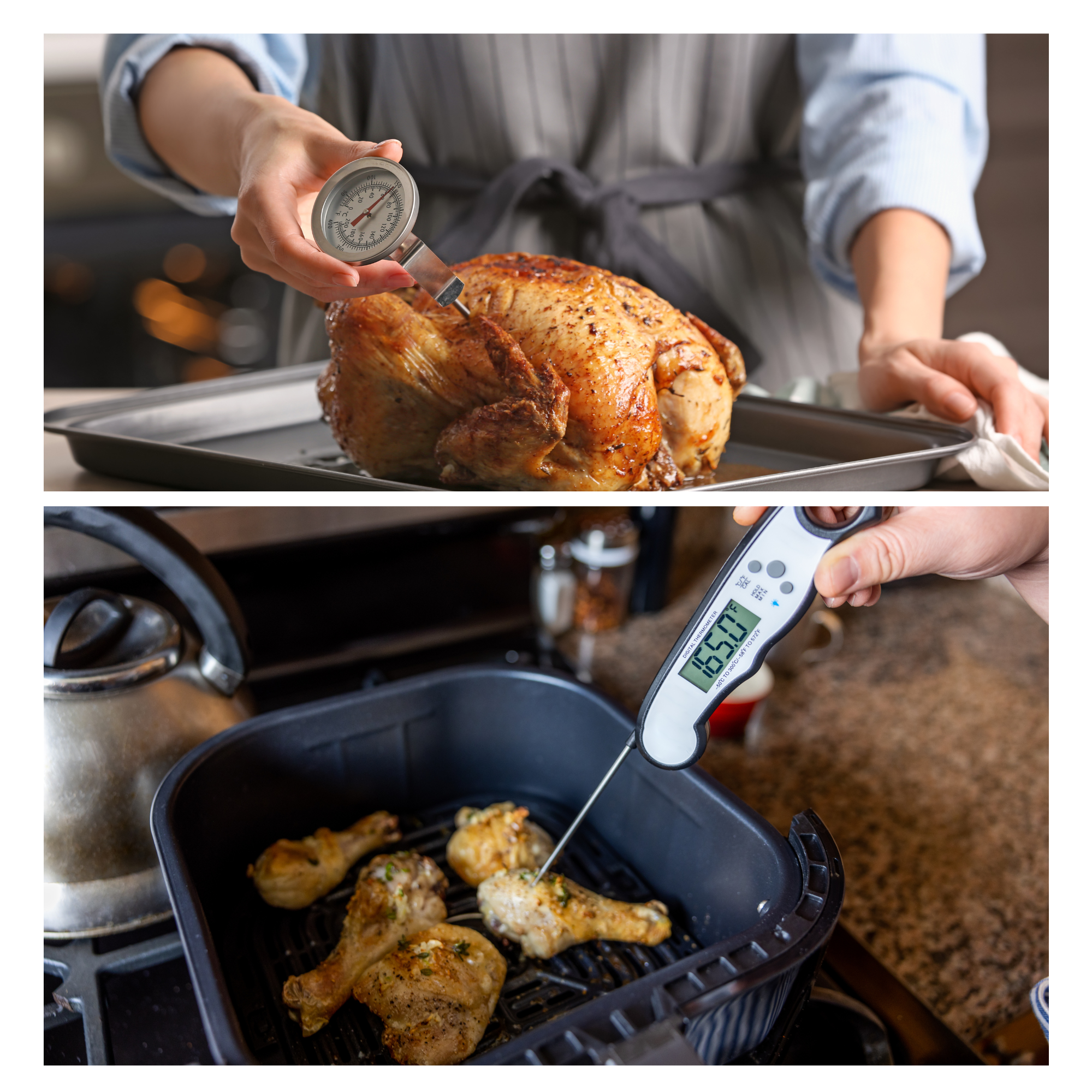
When cooking, you want to ensure food reaches a safe internal temperature, as this is the only way to check if it is cooked thoroughly. We can do this with a food thermometer available at your local grocery store or department store. Each type of food requires a specific internal temperature to ensure it has killed the germs typically found in that food that can make us sick. When you are using the thermometer, place it in the thickest part of the food. For a reference chart of safe internal cooking temperatures, click here.

Step 4: Chill
We want to make sure we refrigerate or freeze our food promptly to prevent bacterial growth. Food that stays in the range of 40°F and 140°F is in the “danger zone“; this temperature range is where bacteria multiply fastest and can cause food poisoning.
Make sure to put away perishable food in the refrigerator promptly and avoid leaving it out of refrigeration for more than 2 hours. If there are leftovers, put them in small containers to let them cool more quickly, then refrigerate them.
You also want to avoid thawing foods on the counter. Thaw your food safely by refrigerating it overnight, using cold water, microwaving it using defrost setting, or cooking it without thawing. Also, make sure not to keep leftovers or food in the fridge past their shelf life. Check out the USDA FoodKeeper app to help you know when it is safe to keep food in the fridge and when to discard it. The app is available for both Apple and Android users. For more information on safe thawing techniques, click here.
Takeaway
By following the four key steps to food safety: Clean, Separate, Cook, and Chill, you are helping to create a safe, healthy holiday season for you and your loved ones.
References:
- Food Poisoning. FoodSafety.gov. (2021, May 27). https://www.foodsafety.gov/food-poisoning
- Centers for Disease Control and Prevention. (n.d.). People at increased risk for food poisoning. Centers for Disease Control and Prevention. https://www.cdc.gov/food-safety/risk-factors/
During the preparation of this work the author(s) used Microsoft CoPilot and ASU EdPlus Image Accessibility Creator in order to brainstorm blog title and generate alt text for photos. After using this tool/service, the author reviewed and edited the content as needed and take(s) full responsibility for the content of the publication.
 1