Cannibalism is defined as the consumption of another by an individual(s) of the same species. The term cannibal was derived from “canibales” (or “caribales”), the Spanish name for the Carib, indigenous people of the Lesser Antilles and the nearby coast of South America. The tribe was believed to be practising cannibalism during the time of the Spanish invasion.
The practice of cannibalism is widespread in several animal groups, as seen in protozoa, insects, fish, birds, and mammals. Anthropophagy, or human cannibalism, is much less common, but has been seen throughout human history. Animal cannibalism is considered a normal reaction to many environmental factors; the motivation for anthropophagy, on the other hand, is categorised into nutritional, ritual, and pathological purposes. The foundation of nutritional cannibalism is to obtain caloric sustenance from human remains; however, for some, nutritional cannibalism was elevated to medical purposes.
Medicinal Anthropophagy

At its height during the 16th and 17th centuries, Europeans incorporated bone, blood, and fat from Irish burial sites and Egyptian mummies into medicinal remedies, supposedly treating a range of ailments from headaches to epilepsy. Egyptian mummies, most preferred, were looted from their tombs and rendered into powders for use in medicinal tinctures aimed at stopping internal bleeding and bruises. Human skulls were ground into fine powders, a common ingredient in medicinal remedies for head ailments. King Charles II of England sipped a tincture containing human skull and alcohol known as “The King’s Drops.” The lichen Usnea, often found growing on buried skulls, was believed to cure nosebleeds and even treat epilepsy. German doctors prescribed bandages soaked in human fat to treat wounds, or it was rubbed onto the skin as a gout remedy.
Fresh blood was prized for its perceived vitality and robustness, so Europeans sought it as fresh as possible. An effort that made procurement difficult. Blood could be distilled into general tonics or used as last‑ditch remedies at the dying’s bedside. Robert Boyle, a chemist, claimed to have used distilled human blood successfully on a case of severe consumption. For those who could not afford processed compounds sold in apothecaries, sometimes turned to executions. A small fee granted them a cup of still‑warm, freshly shed blood from the condemned.
English traveller Edward Browne described his account of such an act in the winter of 1668 – 1669 while touring Vienna. A man, after the executed’s head fell, hurried to fill a pot with the spouting blood, drank it, and fled. The practice of consuming hot blood of executed felons became a long‑running cure for epilepsy, especially in the Germanic and Scandinavian worlds. Hans Christian Andersen, in Denmark, documented a “pitiful poor person” being forced by superstitious parents to drink the blood of an executed individual in an attempt to cure his epilepsy.
Anthropophagy & Prion Disease
Although rare, cannibalism has been documented to spread diseases. Some people in New Guinea who practised ritualistic cannibalism until the 1960s were found to have a disease called Kuru. This rare prion disease is caused by consuming contaminated human brain tissue. Symptoms of kuru include headache, tremors, coordination problems, difficulty swallowing, and pain in arms and legs. There is no known treatment. Death often occurs within one year after the first symptoms; nonetheless, the average incubation period for the disease is about 10 years. However, incubation periods of 50 years or longer have been reported.
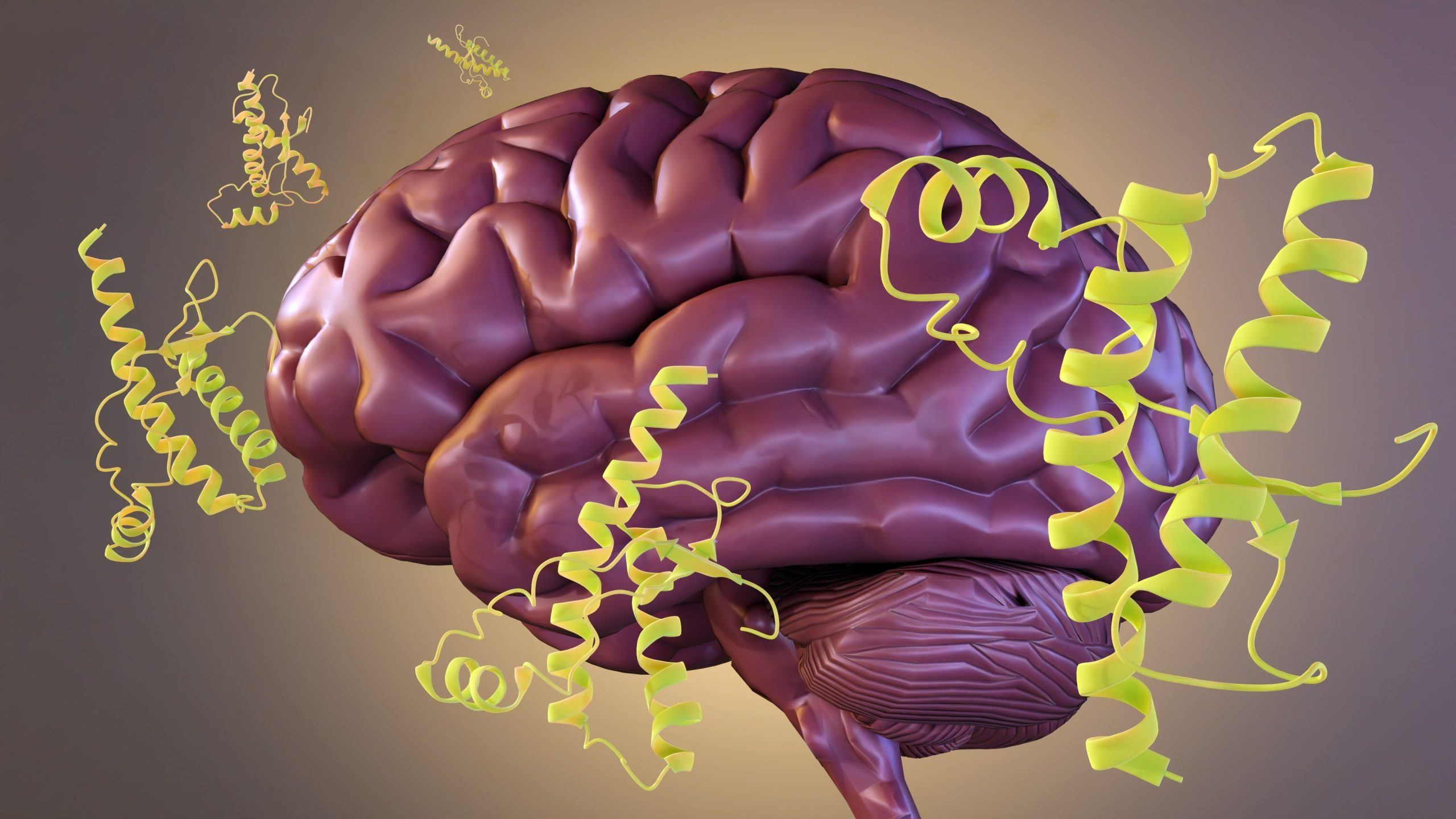
But what are prion diseases? A prion is a type of protein that can cause normal protein to fold abnormally and form clumps within the brain. The buildup of these proteins can lead to dementia-like symptoms; unfortunately, these disorders have no cure and are often fatal. Prion diseases are rare, but can affect both humans and animals. The most common prion disease in humans is Creutzfeldt-Jakob Disease (CJD); Bovine Spongiform Encephalopathy (BSE), also known as Mad cow Disease, is a common prion disease in animals. Other prion diseases include Gerstmann-Sträussler-Scheinker disease (GSS) and Fatal familial insomnia (FFI). Those with a family history of prion disease, who have been in contact with contaminated medical equipment, or who have eaten meat infected by BSE may be at an increased risk.
Anthropophagy & Modern Medicine
At the height of medicinal cannibalism, the phrase “like cures like” guided practice: powdered skulls were used for headaches and depression, while freshly drawn blood was believed to treat bloodborne ailments. The hypocrisy of medicinal anthropophagy was that, despite a few vocal opponents of it, anthropophagy in the newly explored Americas was widely condemned as a sign of savagery. As scientific knowledge and hygienic standards advanced, Europe abandoned these archaic remedies. However, modern medicine has not moved on from using one body to heal another, such as skin grafts, organ transplants, and blood transfusions.
Learn something new or find this blog interesting? Give it a heart to let us know!
 1