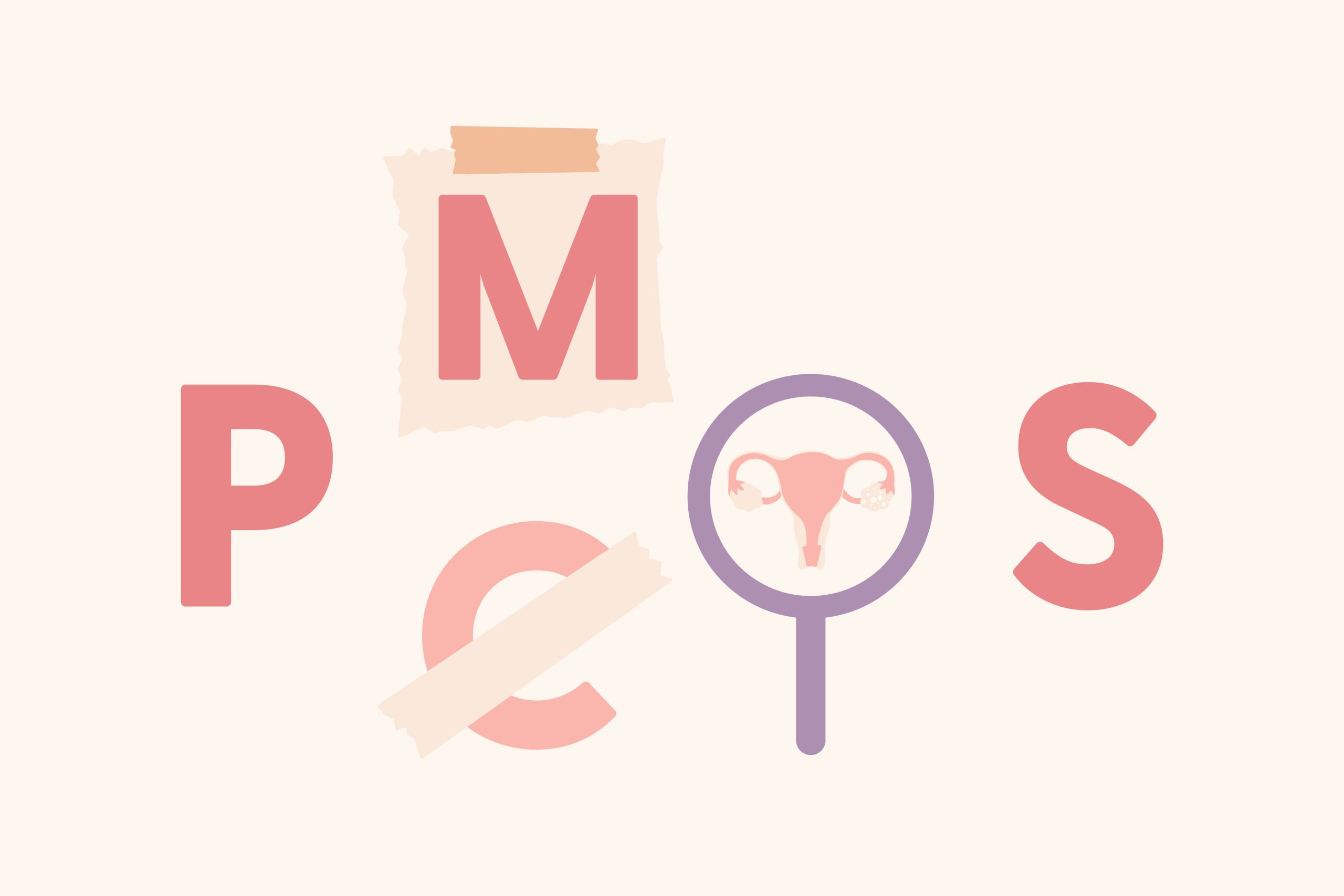
September is PMOS Awareness Month, a time to focus on how this condition can affect both overall and reproductive health.
For decades, Polycystic Ovary Syndrome (PCOS) has been recognized as one of the most common hormonal disorders affecting women of reproductive age (15 to 49 years old). In 2026, an international consensus of researchers, healthcare professionals, and patient advocates adopted a new name: Polyendocrine Metabolic Ovarian Syndrome (PMOS). This change better reflects the condition’s complex hormonal, metabolic, and reproductive features, rather than focusing solely on the ovaries. The previous name, PCOS, often caused confusion because many people diagnosed with the condition do not actually have ovarian cysts. Researchers argued that the old terminology overlooked the disorder’s endocrine and metabolic aspects, which can significantly affect overall health.
What is PMOS?
PMOS is a complex endocrine and metabolic condition that affects approximately 1 in 8 women of reproductive age worldwide. It is characterized by hormonal imbalances that can influence menstrual cycles, fertility, metabolism, skin health, and psychological well-being. Although symptoms vary widely, diagnosis is typically based on a combination of irregular ovulation or menstrual cycles, elevated androgen levels (male-type hormones), and characteristic findings on ultrasound after other conditions have been excluded.
PMOS can vary from person to person. Common symptoms include:
- Irregular or absent menstrual periods
- Difficulty becoming pregnant due to irregular ovulation
- Excess facial or body hair growth (hirsutism)
- Acne or oily skin
- Thinning hair or hair loss on the scalp
- Weight gain or difficulty managing weight
- Insulin resistance and increased risk of type 2 diabetes
- Mood changes, anxiety, and depression
Not everyone experiences all of these symptoms, which is one reason why diagnosis is often delayed.
What Causes PMOS?
The exact cause of PMOS remains unclear. Current evidence suggests that it results from a combination of genetic, hormonal, and environmental factors. Researchers believe that insulin resistance plays a significant role for many individuals, contributing to increased androgen production and disruption of normal ovulation. Family history also appears to increase risk, indicating a genetic component. Importantly, PMOS is not caused by anything a person did or did not do. It is a complex medical condition influenced by multiple interacting biological systems.
Available Treatments
There is currently no cure for PMOS, but symptoms can often be managed effectively. Lifestyle interventions, including regular physical activity, balanced nutrition, adequate sleep, and stress management, remain the foundation of treatment. Even modest weight loss can improve metabolic health and menstrual function in those who are overweight. Medication may also be used depending on individual goals and symptoms. Combined hormonal contraceptives can help regulate menstrual cycles and reduce androgen-related symptoms. Metformin is commonly prescribed to improve insulin resistance and metabolic outcomes. For individuals trying to conceive, ovulation-inducing medications such as letrozole are often recommended. Because anxiety and depression occur more frequently in people with PMOS, mental health screening and support are increasingly recognized as important components of care.
Living with PMOS
Living with PMOS can be challenging, particularly when symptoms affect physical appearance, fertility, or long-term health. However, with early diagnosis, personalized treatment, and ongoing support, many individuals successfully manage their symptoms and lead healthy lives. The recent shift from PCOS to PMOS represents more than a simple name change. It reflects a growing understanding that this condition extends beyond the ovaries and requires a whole-person approach to care. Increased awareness may help reduce stigma, improve diagnosis, and ensure that those affected receive the comprehensive support they need and deserve.
 2