Getting to the Root of the Problem: What Tree Diagnosis Really Looks Like
When a homeowner notices a tree declining, the first question is usually straightforward: What’s wrong with my tree? The answer, however, is often anything but simple.
In this episode of Roots in the Sunshine, I sat down with fellow UF/IFAS Extension Agent and ISA Certified Arborist Maxine Hunter of Marion County to discuss the science, detective work, and human side of diagnosing tree health problems. Along the way, we explored what Extension agents do, common misconceptions about tree decline, emerging disease concerns, and why tree diagnosis requires looking at much more than the tree itself.
How do we explain what we do?
As Maxine explained, Extension serves as a bridge between university research and the public, translating science into practical solutions for communities.
Whether answering questions about pasture management, honey bees, invasive species, tree health, financial literacy, or youth development, Extension agents help connect residents with research-based information and local resources. I often describe Extension as a “switchboard to solutions.” Even if we do not have the answer ourselves, we usually know who can help.
Both Maxine and I agreed that one of the most rewarding aspects of Extension work is that no two days are ever the same. A morning might begin with questions about fish kills, transition to discussions about invasive weeds, and end with an assessment of a declining oak tree. It is this combination of science, problem-solving, and community relationships that keeps many of us passionate about the work.
Trees Are More Than Biology
One of the themes that emerged repeatedly during our conversation was that tree diagnosis is not solely about biology.
Trees often carry personal, emotional, and cultural significance. They provide shade, beauty, and wildlife habitat. They also serve as living reminders of the people that planted them.
Maxine shared stories of homeowners concerned about trees near their homes, older residents struggling to manage aging trees on fixed incomes, and individuals worried about losing trees that held significant personal memories. In many cases, Extension agents find themselves serving not only as educators but also as listeners during difficult decisions.
As arborists, we frequently focus on structural defects, disease symptoms, and risk assessments. Homeowners, however, may be focused on something entirely different: the mango tree planted by a grandparent, the oak that shades a favorite porch, or the concern that a tree could threaten their home.
The Biggest Misconception: Trees Do Not Usually Die Suddenly
According to Maxine, one of the most common calls she receives begins with:
“My tree died all of a sudden.”
In reality, most tree declines occur gradually over months or years. Unless a tree has been struck by lightning or subjected to another catastrophic event, visible symptoms often represent the final stages of a much longer process.
Tree diagnosis requires understanding:
- Tree species
- Site history
- Construction impacts
- Irrigation practices
- Soil conditions
- Root disturbances
- Drought and flooding events
- Previous storm damage
Rather than focusing on a single symptom, arborists evaluate the entire environment surrounding the tree.
Looking Beyond Insects and Herbicides
Homeowners frequently assume that any visible insect must be responsible for a tree’s decline. Similarly, neighbors are often blamed for suspected herbicide damage.
While insects and herbicides can certainly cause problems, they are often not the primary cause of decline. Bark beetles, for example, frequently arrive after a tree has already been stressed or damaged. In many cases, they are functioning as part of nature’s cleanup crew rather than initiating the problem.
Likewise, herbicide damage is far less common than many people assume.
Why Drought Is Showing Up Now
Across much of Florida, prolonged dry conditions have stressed trees. When drought damage occurs, root systems may experience tissue death, vascular damage, and reduced moisture content. These stressors create opportunities for opportunistic fungal pathogens already present in the environment.
The result?
Trees may continue appearing relatively healthy until rainfall returns. Once moisture levels increase, fungal organisms gain favorable conditions for growth and spread through weakened tissues.
Several diseases discussed during the episode included:
- Hypoxylon canker
- Bot rot diseases
- Ganoderma decay fungi
- Various vascular wilt and canker pathogens
Importantly, many disease organisms are present in the environment all the time. The critical factor is often not the pathogen itself but the condition of the host tree. Healthy trees are generally better equipped to compartmentalize injuries and resist infection. Stressed trees are not.
Tree Health Is Like Human Health
One of the simplest ways to explain preventative tree care is through an analogy to our own health.
People are generally more likely to become ill when they are:
- Stressed
- Dehydrated
- Nutrient deficient
- Not getting adequate rest
Trees respond similarly.
Practices that support tree health include:
- Avoiding trunk injuries from mowers and string trimmers
- Protecting root systems from compaction
- Providing proper irrigation
- Maintaining adequate mulch
- Avoiding unnecessary pruning
- Addressing nutrient deficiencies when appropriate
While no tree can be protected from every pathogen, reducing stress significantly improves a tree’s ability to resist disease.
Why Good Photographs Matter
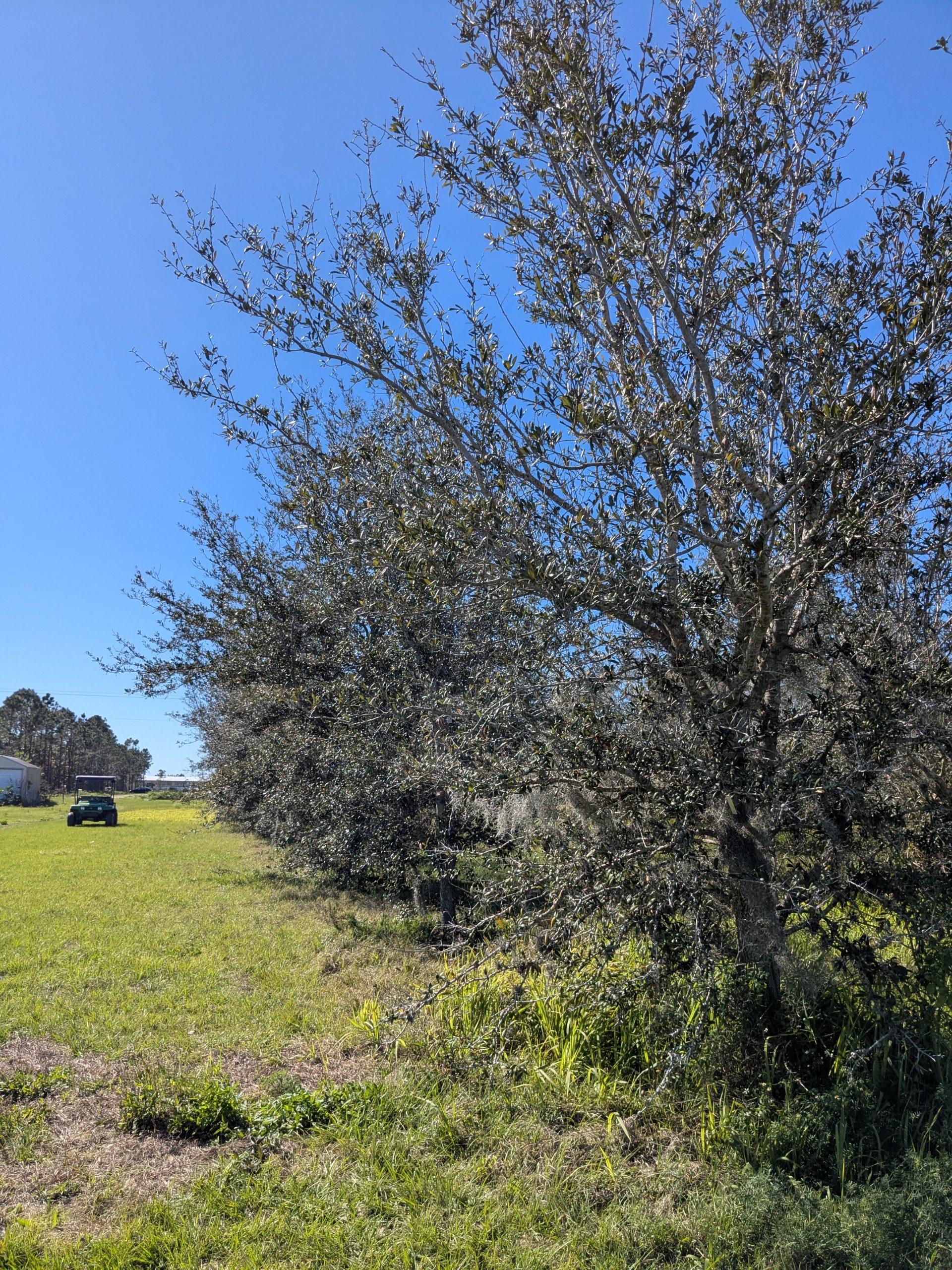
For Extension agents, diagnosis often begins with an email.
Unfortunately, many of those emails include a single blurry photograph taken from half a football field away.
Maxine emphasized the importance of providing:
- A photo of the entire tree
- Close-up photos of areas of concern
- Images of the trunk from multiple sides
- Pictures showing the surrounding site conditions
Good photographs allow Extension agents to identify clues that may eliminate the need for a site visit and speed up the diagnostic process.
Diagnosing Trees in the Age of AI
We concluded our conversation by discussing a growing trend: homeowners using artificial intelligence tools to diagnose tree problems.
While AI can be a useful starting point, it should not be treated as a definitive diagnosis. Tree health issues often require site-specific information, nuanced interpretation, and an understanding of local conditions.
As Maxine pointed out, AI can produce convincing explanations using highly technical terminology while still arriving at an incorrect conclusion.
The best approach is to use AI as one source of information and then verify findings through trusted resources, including:
- UF/IFAS Extension
- ISA Certified Arborists
- University publications
- Professional forestry and arboriculture organizations
Final Thoughts
Perhaps the biggest takeaway from this episode is that diagnosing tree problems is rarely about finding a single culprit. Trees exist within complex systems influenced by weather, soil, pests, diseases, management practices, and human decisions. Effective diagnosis requires curiosity, patience, and a willingness to look beyond the obvious.
As Maxine reminded listeners, Extension remains one of the few free science-based resources available to communities. Whether you’re concerned about a declining oak, a suspicious fungal growth, or simply want a second opinion before calling a tree service, your local Extension office is a great place to start.
Want to learn more? Contact your local UF/IFAS Extension office or visit TreesAreGood.org to locate an ISA Certified Arborist in your area. And be sure to listen to the full episode of Roots in the Sunshine for more insights into the science and practice of tree health diagnosis.
AI‑Assisted Content Notice:
This article was prepared with assistance from generative AI tools and based on podcast interview transcripts. All content has been reviewed and edited by UF/IFAS Extension faculty to ensure accuracy and alignment with UF/IFAS standards.
 1