Over my time here with Extension, I have found the invasive species topic an interesting one. Locally I found the response to be “it’s not a problem, until it’s a problem”. From an invasive species management point of view, you would like to address the potential problem as early as possible. It is at this stage where you have the best chance of eradicating the species locally at the lowest cost. But many seem to wait until the infestation is large and eradication is unlikely, if not impossible. Over the years we have attempted to educate the public about potential invasive problems. Some have caught attention, others not so much. It was interesting.
I will first explain what is known as the “invasive curve”. This is a graph that plots a species population over time and how management, at different points of the curve, are typically used. There are four stages along this curve. The first is at the beginning – prevention – preventing the species from ever entering the county. This is much easier said than done. Extension offered a program in the spring we called “Hitchhikers” where we discussed potential new problems and how they most likely enter the county. The most common method of hitchhiking is on forms of transportation coming from locations where the species are established. This program was popular enough when we first began offering it, but interest in it waned over time. It is not easy to prevent invasive species from entering, but with residents aware and looking, it can have some impact. A common hitchhiking method is on plants coming from south Florida nurseries. A simple inspection of these plants before placing them in the environment can help control the introduction of new invasive species into our area. Other methods of hitchhiking include boats and boat trailers coming in from other areas, lawncare equipment moving around the area and not being cleaned before doing so, and even our shoes can bring seeds from other parts of the state and southeast. Of course, there are the classic methods of ship ballast and aircraft unintentionally bringing in potentially problematic species. It would require some time to do inspections, but PREVENTION is possible.
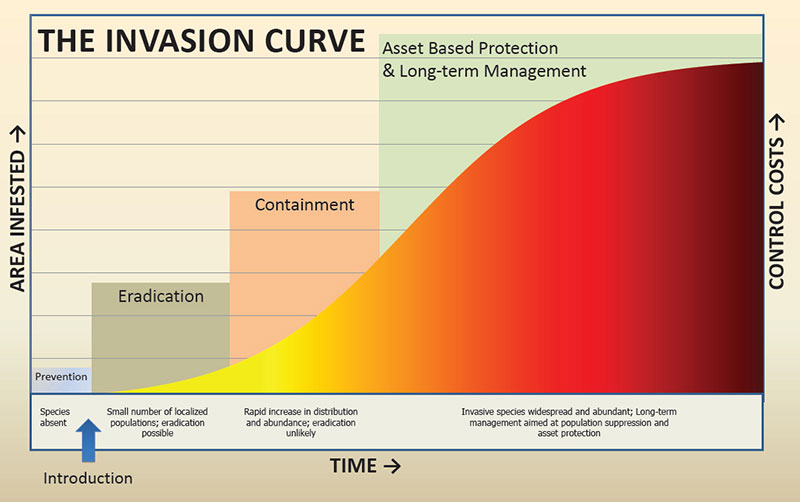
Image: University of Florida
If we miss the initial introduction, and we usually do, we enter the second stage – Early Detection Rapid Response (EDRR) / Eradication. As the name implies, we detect the invasive species early in their local infestation and quickly try to eradicate it. Locally we have tried to do this with Cuban treefrogs, tilapia, and beach vitex. It is very difficult to eradicate a species. When you think you have it, you find more. With beach vitex on Pensacola Beach, we know there are 68 sites where the plant exists. 56 of those sites (82%) have been treated. During our 2026 summer survey, 33 of those 56 treated sites (59%) the plant had not returned – presumed eradicated. We survey all 68 sites annually and some that appeared eradicated showed new growth several years later. So, eradication is not easy – but if the species is a problem, then the effort to remove is worth it. At least some feel this way. We currently are focused on a new marine snail – the thrush cowrie – that has appeared on our shores. We are not sure what the negative impacts of this snail might be but we do know they are here and, on some sites, in high numbers. So, we have chosen to remove them when we can.
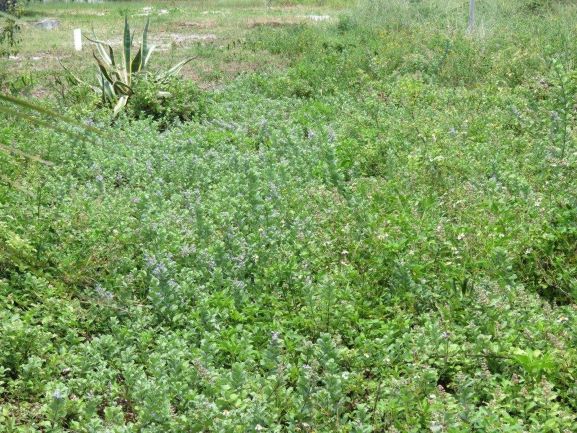
Understanding the difficulty of completely eradicating a new invasion in the county you move up the curve to the third stage – contaminant. The concept here is “continue the battle, but do not allow it to spread to the other locations. In the case of beach vitex that is the thought process right now. Let’s try not to allow it off the beach. That said we already know the plant has reached Gulf Islands National Seashore Naval Live Oaks, 3 sites we know of in Gulf Breeze, and Navarre Beach. So, we may have already missed this opportunity. We are also focused on this stage with tilapia in the upper reaches of Bayou Chico and Cuban treefrogs – which have been reported in some areas of the county, but we are not sure how widespread they may be at this time.
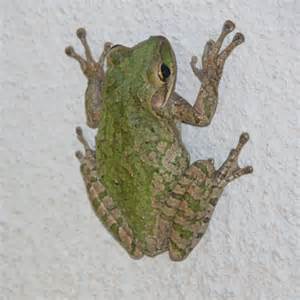
Photo: UF IFAS
If we lose containment, then we enter the fourth stage – management. In this stage we are not going to eradicate it nor contain it. You are at the highest point of the invasion curve and at this stage the manpower, and cost, to manage becomes much larger. Local examples of species at this stage are Chinese tallow, cogongrass, and lionfish. Cogongrass is not that common on our barrier islands but has been found. It most likely reached there by lawncare companies working in other parts of the county where the grass is very common, bring their equipment onto the island without cleaning/inspecting it, and introducing it. It could be considered a stage 2 (EDRR species) for our barrier islands more awareness and action COULD eradicate before it moves up the curve. With lionfish all we can do is continue to remove as many as we can. Records of this fish in the estuary are not common but have happened. Stage 1 prevention of lionfish from entering the bay, as you might guess, will be all but impossible. But stage 2 – EDRR is something we should all try to do. If you see something – say something.

Photo: Rick O’Connor
As you can see, managing invasive species can be a lot of work, and at times, cost a lot of money. For this reason, many decide to ignore the problem and let things be. However, based on the definition of an invasive species – (1) they are nonnative to the area, (2) they were introduced by humans (either intentionally or by accident, (3) they are causing a problem, then we may not be able to ignore it. Circling back to my original comment, over my time with extension people tend to ignore the issue until we have reached stage 3 or 4 and find managing overwhelming. If you have questions concerning potential invasive species threats in your area, you can contact the Extension office for more information.
 1