A recent study was published by a team from the University of Florida documenting wildlife using underground stormwater sewer lines for both travel and roosting areas. These results suggest that wildlife are adapting to the heavily influenced human landscape. The stormwater pipes typically have smaller curb-side entry ways where stormwater enters an underground series of pipes that eventually lead to larger bodies of water at a larger opening. These underground corridors can provide a safer way for creatures to move from one location to another and avoid highways and neighborhoods. Above and below highway corridors have been built specifically to reduce this danger for creatures so, it makes sense that they would eventually find such systems that were not designed for this – like stormwater drains.
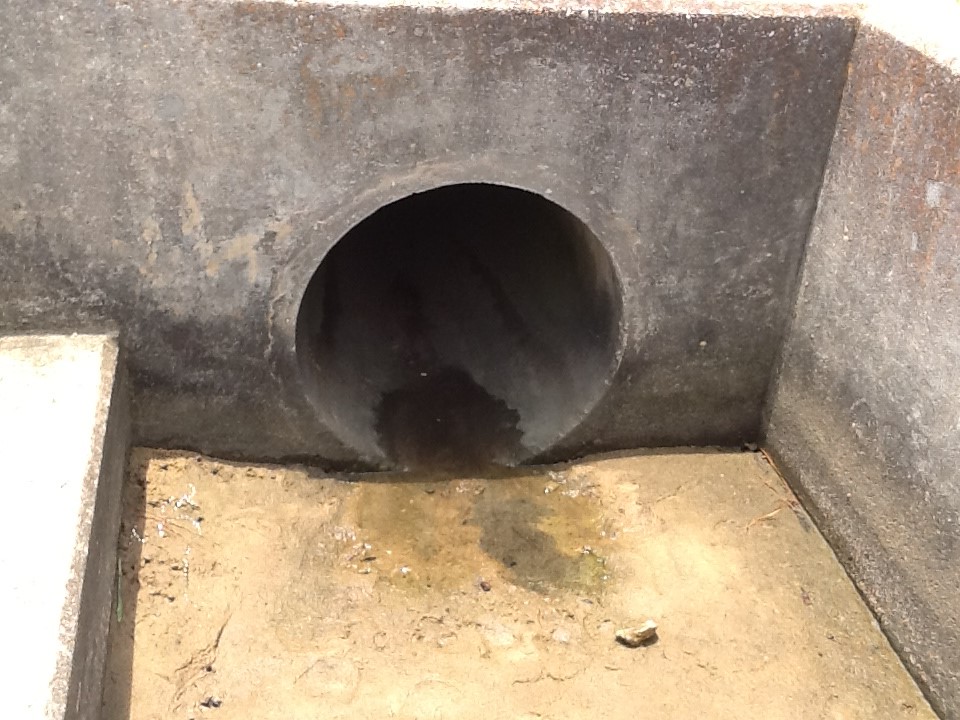
Photo: Rick O’Connor
The UF research team placed wildlife camera on the underside of manholes to photograph/video which species used these pipes. 35 different species were logged using them in the Gainesville area. These included mammals, birds, reptiles, amphibians, fish, and invertebrates.
Mammals were the most common. They included opossums, rats, raccoons, river otters, squirrels, bats, and domestic cats. Opossums were often seen carrying their young on their backs to avoid highways. Rats were seen collecting debris to build nests. Otters tend to prefer pipes that connected one body of water to another. Bats entered the pipes seasonally, particularly when it was cold. They were seen feeding off the ground within the pipes and even roosting under the manhole covers. Raccoons were by far the most common animal using stormwater pipes. They were seen entering and leaving the large discharge pipes but also coming and going through the smaller curb inlets.

Photo: Molly O’Connor
All groups of reptiles were seen. Turtles, snakes, and lizards were all viewed moving and hunting. Alligators used the pipes not only as corridors to avoid highways but as hunting locations. They were often seen lying in ambush for prey as they entered or exited through the discharge pipes.
Birds were almost always associated with the opening of this charge pipe. Here they would forage for food. That said, anhinga were seen swimming within the corridors when water levels allowed.
Not all of the animals recorded chose to enter the storm pipes. After heavy rains many species were washed into the system and, for some, unable to find their way out. The UF researchers suggested a few things that could help with this problem. Planks, or walkways, that could allow them to exit the system and screens over the curb inlets that would not only reduce wildlife issues but debris and trash as well.
This phenomena of wildlife using manmade structures as highways and roosting areas is not a new one and finding them using the stormwater sewers may not be that surprising, but it shows the resilience of life and that they may be smarter than we give them credit for.
Wonder what is roaming beneath the streets of Pensacola?
Reference
Ivory II, A. A., Brock, K.M., Martin, L., Goodhard, A., Donovan, V.M., Johnson, S.A. 2026. Alligators, Raccoons, and Bats Underfoot: Wildlife Living in Stormwater Sewers. University of Florida Electronic Data Information System. #WEC485. Doi.org/10.32473/EDIS-UW554-2026.
 0